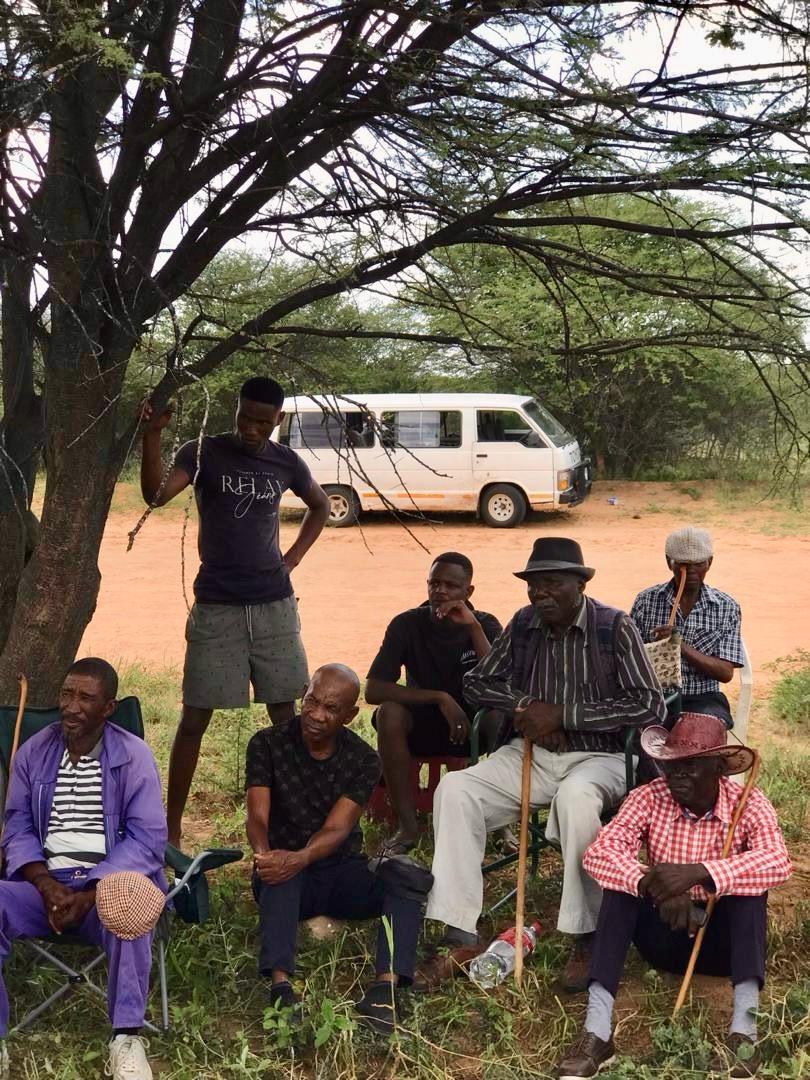




The Khwe, Topnaar, Ju/hoansi, Hai||om, Ovatjimba, Ovatue, Himba and Damara communities across Namibia have called for their knowledge systems to be recognised in national biodiversity policies.
Representatives from the communities met earlier this month in Windhoek for a two-day workshop on strengthening indigenous and local knowledge (ILK) in biodiversity planning.
The workshop is part of an initiative led by the United Nations Educational, Scientific and Cultural Organisation (Unesco), the Namibia Nature Foundation and the Ministry of Environment and Tourism, preparing Namibia for its first ‘National Outlook on Indigenous and Local Knowledge of Biodiversity’.
Unesco national programme officer for science Kombada Mhopjeni at the workshop said the process is designed to map the “landscape of ILK” and to understand what communities know about managing and conserving biodiversity.
“Through this process, we gained a deeper understanding of the challenges related to documenting and safeguarding ILK, including the need for more participatory approaches and regional consultations,” said Mhopjeni.
During the workshop the participants from living museums, traditional authorities, conservancies, community forests, and forest reserves, shared experiences on documenting and safeguarding knowledge through oral histories, audiovisual archives and intergenerational storytelling.
According to Unesco, the participants also discussed equitable benefit-sharing, prior informed consent, and the risks of commercialisation.

“The sessions included presentations on existing initiatives, interactive group work exploring ecosystems such as deserts, savannas, freshwater, and marine areas, and wide-ranging discussions on practical challenges, including language barriers, limited land access, insufficient funding, and risks of commercialisation,” Unesco noted.
Practical challenges identified by the participants include language barriers, limited land access, lack of funding and inadequate visibility of community knowledge in national policy, the organisation said.
It added that participants also developed solutions that emphasise partnership building, improved visibility in policy dialogues, and better access to technical and legal resources.
“This is particularly significant in Namibia, where roughly 70% of the population relies directly on natural resources for food, medicine, fuel, and shelter,” Unesco said.
The UN body said the workshop outcomes will directly inform Namibia’s national biodiversity strategy and action plan, ensuring that ILK is meaningfully integrated into national biodiversity policy and reporting.
“This initiative aligns with international biodiversity targets under the Kunming-Montreal Global Biodiversity Framework, which emphasises the protection of knowledge systems, equitable participation, and community-led governance.”
In an age of information overload, Sunrise is The Namibian’s morning briefing, delivered at 6h00 from Monday to Friday. It offers a curated rundown of the most important stories from the past 24 hours – occasionally with a light, witty touch. It’s an essential way to stay informed. Subscribe and join our newsletter community.

The Namibian uses AI tools to assist with improved quality, accuracy and efficiency, while maintaining editorial oversight and journalistic integrity.
Stay informed with The Namibian – your source for credible journalism. Get in-depth reporting and opinions for
only N$85 a month. Invest in journalism, invest in democracy –
Subscribe Now!