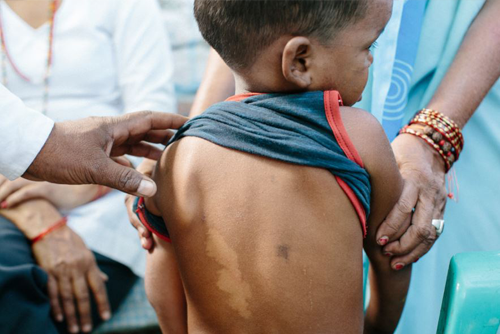
LEPROSY, also known as Hansen’s disease, is perceived as a forgotten or biblical illness, yet new cases continue to pop up in Namibia annually.
The centres for Disease Control and Prevention describes leprosy as a chronic infectious disease caused by mycobacterium leprae, which mainly affects the skin, the peripheral nerves, the mucosal surfaces of the upper respiratory tract, and the eyes.
People of all ages are susceptible to leprosy. It is likely transmitted via droplets from the nose and mouth during close and frequent contact with untreated cases.
According to the World Health Organisation (WHO), the number of cases in Namibia has between 2017 and 2019 gradually increased – despite efforts to eliminate the disease.
In 2019, Namibia had 22 cases of leprosy, which was an increase from the 17 reported in 2018 and 11 in 2017.
Of the cases recorded between 2017 and 2019, only two involved children under 15 years of age.
WHO has no figures available for the period between 2012 and 2016, while Namibia recorded 42 cases in 2010.
In 201, the country had a total leprosy population of about 60 people, of which the majority of whom lived in the Kavango regions.
In 2018, The Namibian reported that about 80 people were living with leprosy at the Mashare settlement in the Kavango East region.
Some members of this community have since been cured and others are still on treatment.
The Mashare settlement in the past hosted a leprosarium (a hospital for people with leprosy) until the early 1980s when the country’s war for independence led to its closure.
The hospital at the time accommodated thousands of leprosy patients from Namibia, Angola and Botswana.
In the book of Leviticus, a person with leprosy is described as someone who should be wearing torn clothes and “let the hair of his head hang loose, and he shall cover his upper lip and cry out”.
Fortunately this is not the case for modern-day patients with Hansen’s disease.
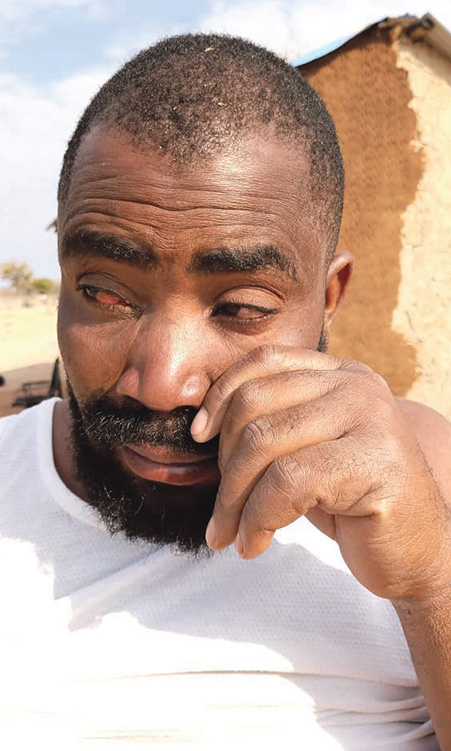
Dr Niita Haitembu, a Windhoek-based dermatologist, says signs of leprosy during the early stages include a loss of eyebrows, lashes and hair, and at a later stage a patient’s toes and nails could start falling off.
The disease can be cured through antibiotic treatment, and early detection can prevent disability.
Although a popular myth of leprosy is that body parts simply fall off, most leprosy patients in fact lose their limbs as a result of injury.
This is because leprosy causes a loss of sensation – especially in areas of the hands, feet and face.
Dermatoligist nurse Apollonia Aies says the illness can be treated within a period of six months to a year.
Some of the side effects of leprosy treatment include a change in skin colour and urine, and a skin rash.
Globally, more than 600 people are diagnosed with leprosy each day, and more than 50 of these are children.
According to the WHO, 208 613 new cases were reported globally in 2018, most in Africa and Asia.
About 60% of new leprosy cases were found in India.
The WHO says in Africa, case numbers have dropped by 42% since 2000, but about one million people are living with leprosy-induced disabilities.
These were mainly from India, Brazil, Indonesia, Bangladesh, the Democratic Republic of Congo, Ethiopia, Madagascar, Mozambique, Myanmar, Nepal, Nigeria and the Philippines.
Annually, World Leprosy Day is celebrated on the last Sunday of January each year.
This year it was celebrated on 30 January under the theme ‘Beat Leprosy, End Stigma and Advocate Mental Well-being’.