



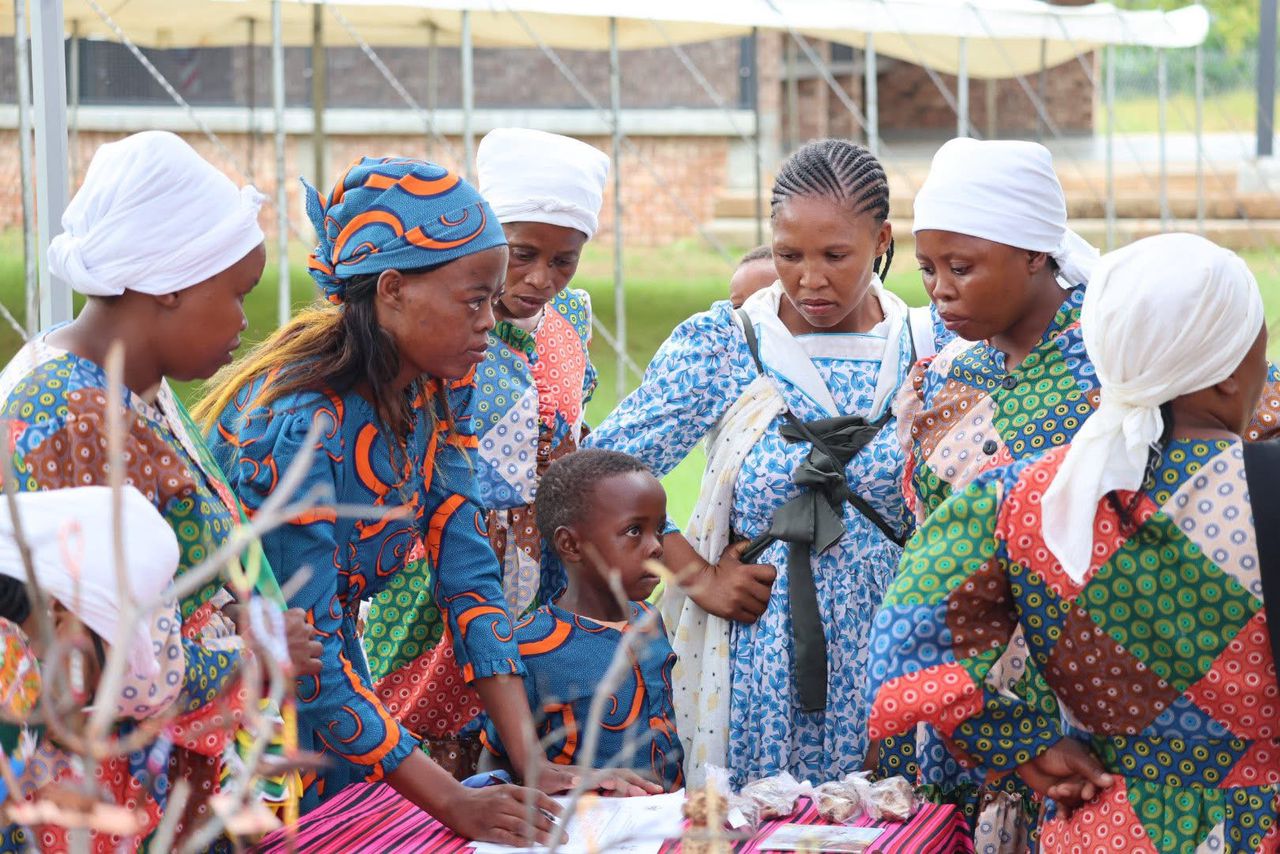
Language advocates urge local leaders to prioritise communicating in their local languages more frequently.
They warn that meaningful development and effective public messaging can only happen if people are addressed in the language they understand best.
This remark was made during the International Mother Language Day observance in Windhoek on Friday.
Speaking at the event, human rights advocate Uhuru Dempers warned that leaders risk excluding communities from public engagements when they communicate in English.
“There is a bit of chaos in our mother tongue. We need a language bureau that will decide on the goals, that will look at the new terminologies going around,” he said.
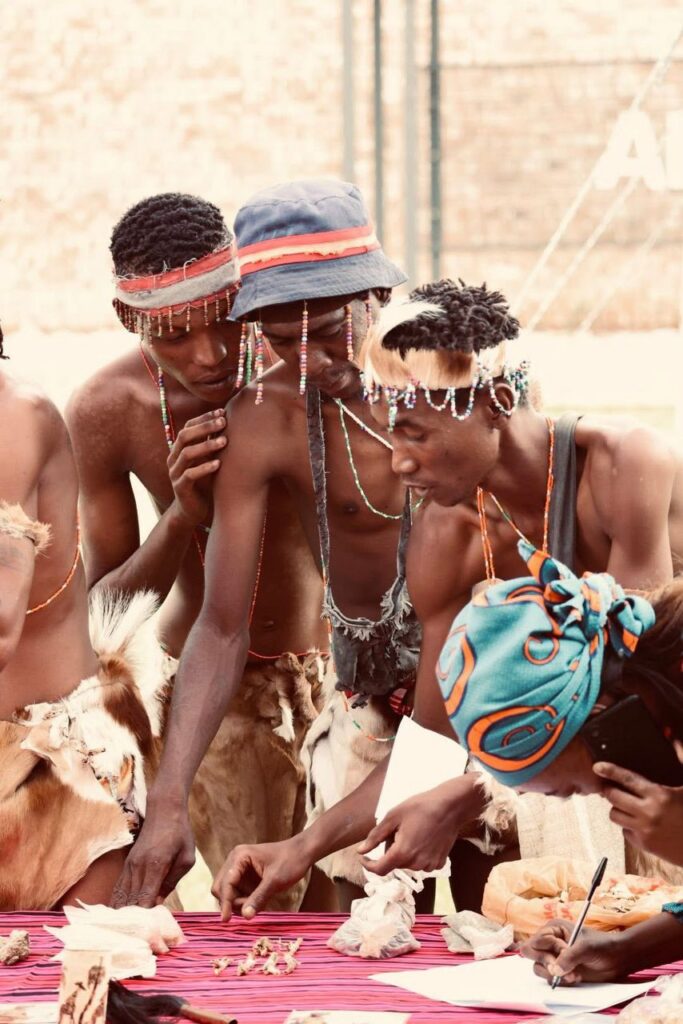
He encouraged communities to organise advocacy groups to promote and preserve their local languages.
Language preservation activist Martin Matsuib says many families often raise their children with English as their home language, severing cultural ties.
This, he says, causes harm to children as they grow up not knowing how to speak their mother languages.
“Without intervention, Namibia faces significant loss of linguistic and cultural diversity in the age of globalisation,” Matsuib says.
He notes that dominant international languages such as English, Spanish and Mandarin continue to inadvertently overshadow indigenous languages in developing countries such as Namibia.
“Without the right policy framework, global languages will serve as ‘killer’ languages, subduing minority tongues,” he says.
Despite these concerns, Khoekhoegowab Task Force manager Aletta Eises-Thanises says about 130 students are currently studying Khoekhoegowab, a sign of interest among young people in reclaiming linguistic heritage.
Hosted under the theme ‘Honouring linguistic diversity and promoting multilingualism worldwide (with a focus on the preservation of rare and endangered languages)’, the day is commemorated annually on 21 February.
It was proclaimed by the United Nations Educational, Scientific and Cultural Organisation (Unesco) to promote linguistic and cultural diversity, multilingualism and inclusive education.
The day highlights the critical role of first languages in protecting cultural heritage, improving learning outcomes, fostering social cohesion and advancing sustainable development.
Unesco representative to Namibia Eunice Smith says nearly 40% of the global population do not have access to education in the language they understand, placing thousands of pupils at a disadvantage.
“In Namibia, where about 70% of the population is under 35, it is critical to ensure education and learning take place in mother tongues,” she says, adding that it increases access to education and leads to better educational outcomes.
She says young people are at the centre of Unesco’s efforts to promote mother tongue languages for inclusive, equitable and culturally responsible education.
Smith adds that pupils who begin education in a language they understand build stronger literacy foundations.
“We need to protect endangered languages. When language is preserved, our future is preserved,” she says.
Vice president Lucia Witbooi says the country recognises the importance of all national languages, with 20 indigenous languages being spoken across the country.
She says first languages are instruments of identity, education and development which must be protected.
“Language is the foundation of learning. Namibia made English its official language to unite nations and open doors to global opportunities,” Witbooi says.
In an age of information overload, Sunrise is The Namibian’s morning briefing, delivered at 6h00 from Monday to Friday. It offers a curated rundown of the most important stories from the past 24 hours – occasionally with a light, witty touch. It’s an essential way to stay informed. Subscribe and join our newsletter community.

The Namibian uses AI tools to assist with improved quality, accuracy and efficiency, while maintaining editorial oversight and journalistic integrity.
Stay informed with The Namibian – your source for credible journalism. Get in-depth reporting and opinions for
only N$85 a month. Invest in journalism, invest in democracy –
Subscribe Now!