While Namibia offers excellent mining investments, some of the country’s labour issues link back to the historical injustices of apartheid.
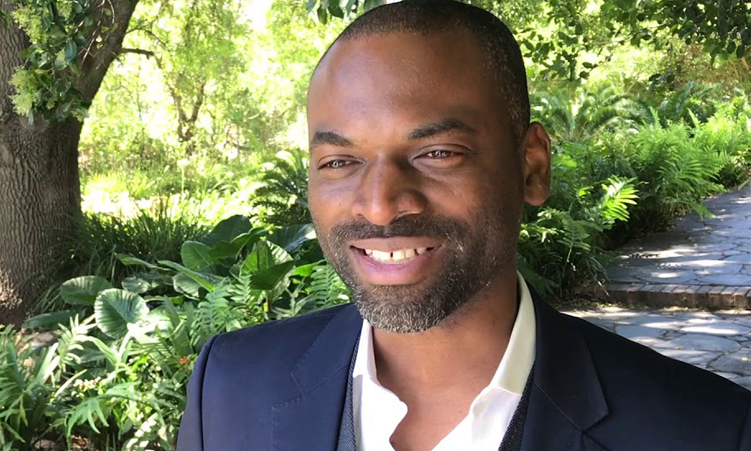
This was said by Trigon Metals Inc president and chief executive officer (CEO) Jed Richardson in a wide-ranging exclusive interview with The Namibian in Windhoek on Monday.
Richardson focused on the simmering labour unrest at the Canadian company’s Kombat copper mine near Otavi, but also looked at the mining situation in Namibia.
This follows mine workers accusing the management, under vice president of operations Stephanus Muller and chief operations officer Rennie Morkel of racism, nepotism and bad labour practices.
“It is some of the bad habits from that history (apartheid) that I am trying to correct,” said Richardson, adding that he would love to make Namibia his second home.
“I have a largely black workforce and predominantly white managers, and that is always a challenge, but it’s something we can work with now and fix in the future,” he said.
He emphasised that most employees who were under contractors are now part of Trigon, because under contractors there was room to make life difficult for employees.
“By taking them directly under the mining company, we have better control,” he said.
Richardson, who had flown in from Canada on Monday, said he had looked into the workers’ grievances over the past few months and spent time in June talking to them to get an understanding of what was going on.
Meanwhile, a memo sent by social sustainability manager Careful Kaeka on Wednesday invited Kombat workers to present issues to one of the company’s directors.
“We have been honoured with a visit from one of our independent directors who has been spending the better part of the week at the mine.
He made himself available yesterday for an in-person discussion with any employee/stakeholder who wanted to raise any concerns or issues they do not feel comfortable raising to management. He will be in the CEO’s office…” reads the memo.
Richardson said he chose to invest in Namibia, because the country has clear laws, functional infrastructure and fantastic mineral resources.
“You can be the best country in the world, but if you don’t have the minerals in the ground, there is nothing to do there. And Namibia has all of these things.”
He, however, said it is difficult to raise investment for mining in Namibia.
“There are a lot of Western investors coming to Namibia, also a lot of Chinese coming to Namibia – and that’s great for the country’s mining sector.”
The Canadian businessman said with a number of mines still not operating, there are skilled professionals and mining technicians still looking for work.
“Unfortunately, a lot of these skills are getting older and there may be a need to upgrade their skills and also get more young people into the industry.”
Richardson noted that Kombat mine is a unique situation, with everyone wanting to see it succeed.
“The government, the workers, the managers, all want to see it succeed, and of course I and the investors want to see it succeed. So, sometimes people have different opinions of how that can be achieved, but they will all be pushing towards the same goal,” he said.
He highlighted that while the remnants of apartheid are not the root cause of problems at the mine, it is something to be mindful of.
“Apartheid ended a long time ago but remnants will be a feature of society until generation turnovers remove them.
“As a quick-fix to the mining start-up, we asked managers to approach people with skills they already knew and because that circle was small, that became a problem, and we are already rooting that out,” said the Canadian, whose local partners are Epangelo and Knowledge Katti.
He dismissed claims that an unqualified worker was in charge of mine blasting.
Richardson expressed confidence that the mine is on the right production track, given the recent promising results.
“We see production tripling for 10 to 12 years, but we are exploring around the mine.
The mine operated for 45 years under Goldfield and mined 12.5 million tonnes of ore, and we have mined 13.5 million tonnes already, so we can still mine for over 12 years. But I think with more exploration, we could be here for another maybe 50 years,” he said.
As part of the mine’s social responsibility, Trigon had used water from the mine to establish a horticulture project for food security.
“We now have four hectares and plan to expand it. We have a number of women working on the project, with the produce sold at the markets and at nearby lodges,” he said. – email: matthew@namibian.com.na
In an age of information overload, Sunrise is The Namibian’s morning briefing, delivered at 6h00 from Monday to Friday. It offers a curated rundown of the most important stories from the past 24 hours – occasionally with a light, witty touch. It’s an essential way to stay informed. Subscribe and join our newsletter community.

The Namibian uses AI tools to assist with improved quality, accuracy and efficiency, while maintaining editorial oversight and journalistic integrity.
Stay informed with The Namibian – your source for credible journalism. Get in-depth reporting and opinions for
only N$85 a month. Invest in journalism, invest in democracy –
Subscribe Now!