



VICTOR MAKAHAMADZE
FOWL cholera is a contagious, bacterial disease that affects chickens worldwide. It usually occurs as a sudden onset with high morbidity and mortality, however, asymptomatic infections also occur.
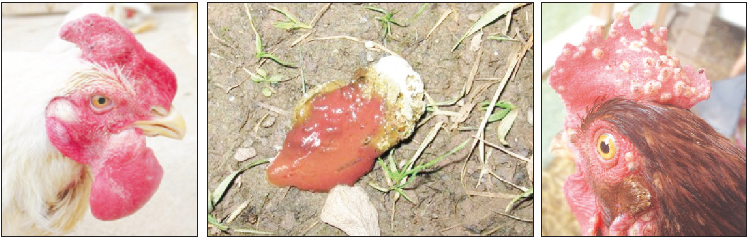
The symptoms include ruffled feathers, loss of appetite, diarrhoea, coughing, nasal, ocular and oral discharge, swollen wattles and face, sudden death, swollen joints, lameness.
▩ Good management practices such as high levels of biosecurity are essential to prevention. Rodents, wild birds and pets must be excluded from poultry houses.
▩ Vaccination of healthy flocks
▩ Use of prescribed antibotics
▩ In extreme cases, farmers may need to cull all chickens and start afresh after several weeks
A number of drugs will lower mortality from fowl cholera; however, deaths may resume when treatment is discontinued, showing that treatment does not eliminate fowl cholera completely from a flock. Eradication of infection requires depopulation and cleaning and disinfection of buildings and equipment. The premises should then be kept free of poultry for a few weeks.
Farmers are advised to visit their local veterinarian for advice
Fowl pox is a highly contagious viral infection that causes painful sores on the chicken’s skin. Fowl pox occurs in two forms, namely wet and dry. While there is no cure, the symptoms of fowl pox can be managed.
Dry fowl pox is a viral inflation that affects a chicken’s skin in non-feathered areas such as the combs, wattles, face and eyelids. On the other hand, wet fowl pox affects a chicken’s upper respiratory systems such as the mouth, throat and tends to be more life threatening than the dry fowl pox.
The disease is highly contagious and spreads slowly from one chicken to the next within the flock. Birds usually become infected when dry scabs are ingested, inhaled and through contact with skin wounds. The initial stages of fowl pox often:
▩ Ash covered blisters on the comb, wattles and face,
▩ Blisters evolve and develop into larger yellow bumps and finally dark coloured looking scabs,
▩ Some chickens become immune to fowl pox.
▩ Drop in egg production
▩ Loss of appetite or weight loss
▩ Lesions on the skins (dry fowl pox) and inside the mouth (wet fowl pox)
▩ Do not mix old and new flocks,
▩ Clean and disinfect chicken houses monthly
▩ Control mosquitoes
In an age of information overload, Sunrise is The Namibian’s morning briefing, delivered at 6h00 from Monday to Friday. It offers a curated rundown of the most important stories from the past 24 hours – occasionally with a light, witty touch. It’s an essential way to stay informed. Subscribe and join our newsletter community.

The Namibian uses AI tools to assist with improved quality, accuracy and efficiency, while maintaining editorial oversight and journalistic integrity.
Stay informed with The Namibian – your source for credible journalism. Get in-depth reporting and opinions for
only N$85 a month. Invest in journalism, invest in democracy –
Subscribe Now!