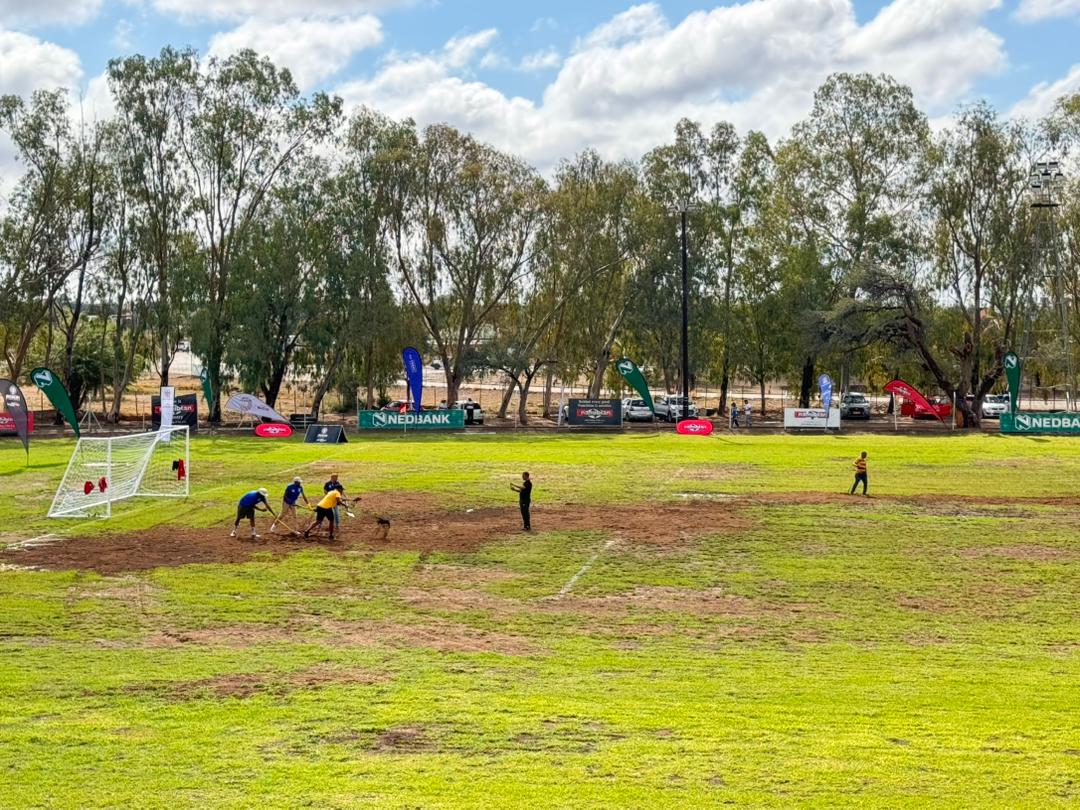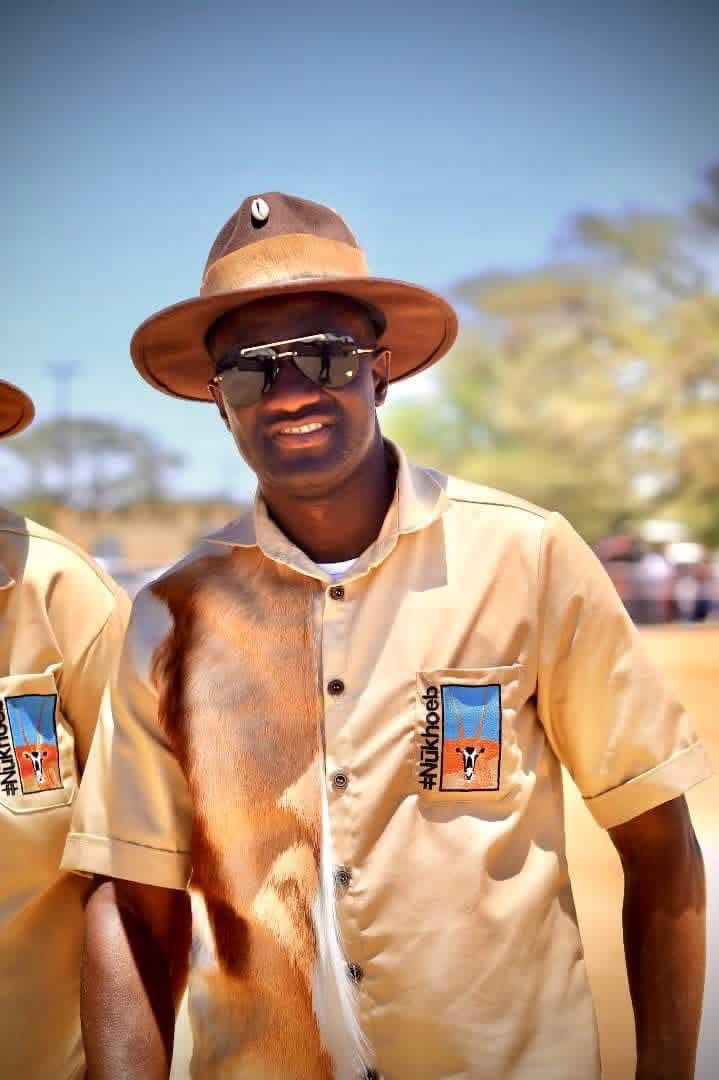




THE Kavango West region will host this year’s Heroes Day, a befitting honour to the region whose struggle credentials are misunderstood by many and undervalued by some.
Kavango (West and East)’s contribution is not documented in the history books or the national museums or the Heroes Acre.
The region’s fallen heroes and heroines remained unsung. Well…. except for a few individuals who are known at the national level.
But that is a drop in the ocean of the men and women who immensely contributed to the attainment of freedom for our country.
Kavango has seen it all as far as the liberation struggle is concerned. Even during the war of resistance in the time of the Mahareros, Mandumes, Witboois and Marengas, the region was home to risk-takers and warriors who fought tooth and nail against German and Portuguese colonialism.
Oral tradition cites numerous clashes/battles between the vaKavango people and the Germans/Portuguese.
From the graves of the fallen German soldiers at Kakuro; to the battle of Fort Cuangar, in which hompa Kandjimi zaHauwanga is believed to have had a hand; to the combined forces of hompa Kandjimi zaHauwanga of the vaKwangali and King Mandume yaNdemufayo that defeated the colonial Portuguese forces at the battle of Oihole; to the 1974-77 students/youth exodus to Zambia and Angola in exile; all the way to the 1988 student uprising, are all part of the contribution of the region we now call Kavango West and Kavango East.
If first-hand accounts are correct, Kavango was a difficult and dangerous area (for the Plan fighters, activists, and the population) to operate in. It was a war zone that was heavily militarised from west to east, and north to south.
A dusk-to-dawn curfew was the order of the day. South African soldiers, SWATF and Koevoet were everywhere. Sector 20, 202 battalion, Musese, Nepara, Mpungu Mauhahe, Bagani and 32 battalions were some of the prominent military bases present then.
Secondary schools like Kandjimi Murangi, Leevi Hakusembe and Linus Shashipapo all had military bases in their vicinities, with soldiers as teachers.
There was a Koevoet base, the notorious Mbaura team, at what is now being called the Elisabeth Nepemba Correctional Service Centre. A secret torture and shooting facility called Bittersoet was also in the same vicinity. If local tales are correct, here is where the remains of the fallen Plan fighters who fought in Kavango were burned and buried. Today, Bittersoet remains an unknown mystery.
There were also checkpoints everywhere in the region, to the extent that the town of Rundu was completely circled by army checkpoints from all sides.
I am enumerating those details to demonstrate how fearful, intimidating and terrifying it used to be to live, fight or mobilise in the Kavango region. But also to show that Kavango has its own local heroes and heroines – men and women whose actions, in pursuit of a freer, more equitable and democratic Namibia – were in the service of the national liberation struggle for the greater good of Namibia. Their names are there to prove it.
What is a hero or heroine has been a subject of many writings since time immemorial. In “Tate Ependa Yinke”, Londankosi defined a hero or heroine as any person who stands in the face of danger without a weapon.
Like the men and women in the “Tate Ependa Yinke”, the people of the Kavango faced constant danger during the national liberation struggle. Some were armed and equipped with AKs, bazookas, katushas and pepershas. Others were unarmed.
The armed were the men and women of Plan operated in that region. The 1974-77 youth exodus which led to pupils abandoning their hostels and schools for exile to join the cause of liberation; later to be joined by the 1988 group of pupils.
In Kavango, we referred to them as nontana domomusitu – the warriors of the forest or djaSihako – one who camouflaged him/herself with bushes/leaves.” They were also nicknamed vakafima in reference to how they went from house to house to ask for food. When many of them returned in 1989, they were referred to as vatenguri – the returnees.
The unarmed were Swapo and Nanso activists, and ordinary people who cooked food, and concealed and provided shelter to Plan fighters in the region.
The traditional authority was also a formidable front which protected the Kavango population, Plan fighters and Swapo activists. They never gave in to the colonial power’s request to surrender or report the Swapo activists. Instead, they scolded those involved in the Koevoet and SWATF abuses.
Against this background, the Heroes Day commemoration in the Kavango West region offers an opportunity to also honour local heroes and heroines from the Kavango area.
In an age of information overload, Sunrise is The Namibian’s morning briefing, delivered at 6h00 from Monday to Friday. It offers a curated rundown of the most important stories from the past 24 hours – occasionally with a light, witty touch. It’s an essential way to stay informed. Subscribe and join our newsletter community.

The Namibian uses AI tools to assist with improved quality, accuracy and efficiency, while maintaining editorial oversight and journalistic integrity.
Stay informed with The Namibian – your source for credible journalism. Get in-depth reporting and opinions for
only N$85 a month. Invest in journalism, invest in democracy –
Subscribe Now!