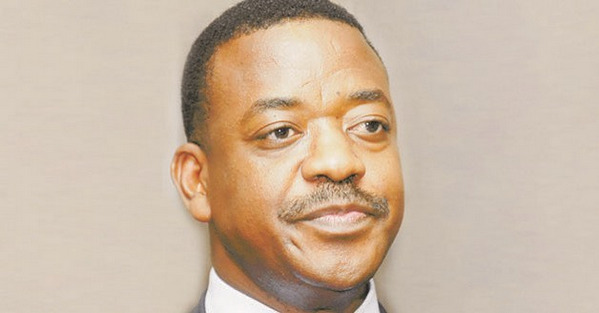




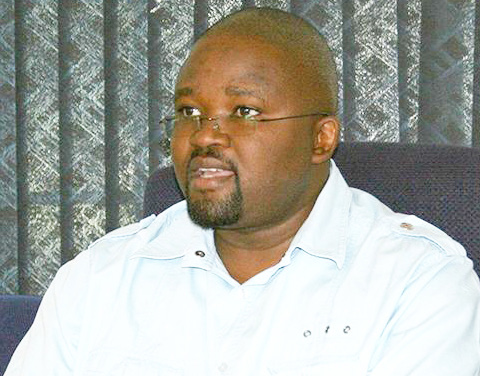
TRADE unionist Evalistus Kaaronda, who took over the presidency of the South West Africa National Union (Swanu) last weekend, faces an uphill battle to revive the waning fortunes of the party.
While political analysts agree that Kaaronda will have gravitas, youth and a unionist background on his side, they conclude he will be faced with a Herculean task to find a soft spot among Namibian voters.
University of Namibia (Unam) political science lecturer Ndumba Kamwanyah says although Kaaronda comes with all the traits of a capable leader he will be haunted by the party’s poor performances of the past, as well as its historical background during the liberation struggle.
“All those are good qualities he will bring to his new position, but the problem of Swanu is mainly the brand itself that has dwindled over the years, both as a national liberation movement before and after independence,” Kamwanyah says.
“Because of the work of the People’s Liberation Army of Namibia, I think many Namibians think the country was liberated because of the armed liberation struggle, so that worked in the opposite direction for Swanu.
“After independence, that was exactly the result of that perception that Swanu in the first democratic election did not perform well. We have seen they have not been performing very well,” he says.
Kamwanyah says Swanu would need to have a clear ideology that appeals to all Namibians.
“That ideological clarity must be there, and they must convince the Namibian people that the ideology they are pursuing is relevant,” he says.
He says Swanu would also need to clearly define its economic policies.
Another political science lecturer at the University of Namibia, Rui Tyitende, says Namibia’s contemporary political landscape and prevailing socio-economic dynamics will not be kind to political parties like Swanu.
He says identity politics will continue to be a crucial factor for the electorate, no matter the political imagination and policy innovation offered by other political formations.
“Therefore, Kaaronda will definitely not have it easy to dislodge parties like the Landless People’s Movement or the Popular Democratic Movement from their dominance over oppositional politics.
“Despite the fact that Swapo is showing signs of severe fatigue, a large segment of society is still loyal to the former liberation movement, and it will continue to dominate Namibia’s political landscape,” Tyitende says.
Kaaronda yesterday told Desert Radio 95.3FM he is keen on strengthening the party structures ahead of the national elections pencilled for 2024.
He said this would revamp the party and boost its waning popularity.
“The first thing one needs to do is to strengthen the party and its appeal to the voter. As you know, national elections are on the way. Swanu was the first political party in the country, and it’s important that we reclaim that political spot,” he said.
In an age of information overload, Sunrise is The Namibian’s morning briefing, delivered at 6h00 from Monday to Friday. It offers a curated rundown of the most important stories from the past 24 hours – occasionally with a light, witty touch. It’s an essential way to stay informed. Subscribe and join our newsletter community.

The Namibian uses AI tools to assist with improved quality, accuracy and efficiency, while maintaining editorial oversight and journalistic integrity.
Stay informed with The Namibian – your source for credible journalism. Get in-depth reporting and opinions for
only N$85 a month. Invest in journalism, invest in democracy –
Subscribe Now!