



The Independent Patriots for Change (IPC) has accused Swapo of undermining parliamentary oversight by dominating leadership of key National Assembly (NA) committees.
This follows the just-concluded election of NA committee chairpersons and deputy chairpersons, which saw Swapo occupying most committee seats.
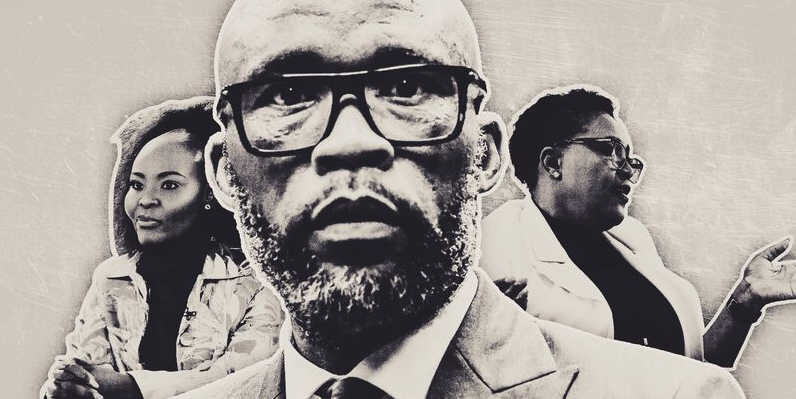
In a statement released on Wednesday by IPC chief whip Rodney Cloete and leader of official opposition Imms Nashinge, they say they are alarmed by the deepening constitutional crisis in the parliament.
“Every other committee has been reduced to a rubber stamp, led by members of parliament from the very party being scrutinised.
“Let’s call it what it is: committee capture,” the statement reads.
This defeats the purpose of parliamentary committees, which should serve as “the watchdogs of the people, not the lapdogs of the executive”, the statement reads.
The IPC says the ruling party is chairing eight out of nine NA committees.
Currently only one committee, the public accounts committee, is chaired by the opposition, because it is protected under standing rule 14(1), which requires its chairperson to not belong to the ruling party.
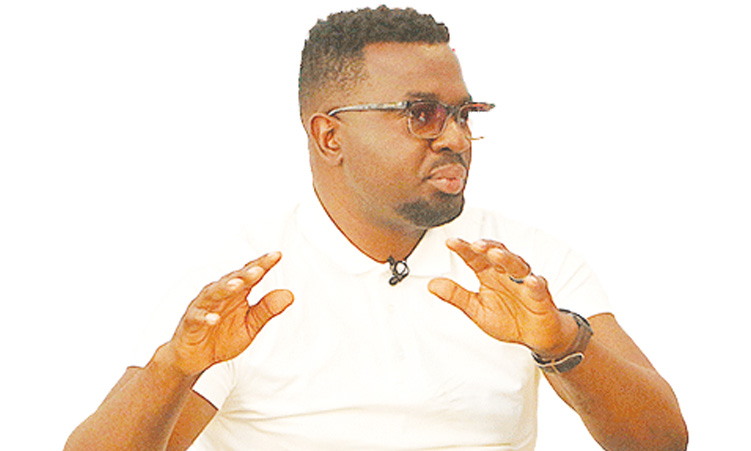
Swapo Party Youth League secretary Ephraim Nekongo says the party acknowledges the IPC’s concerns.
“This majority naturally extends to committee leadership, reflecting the electorate’s will as committees are formed proportionally, depending on the numbers of the political parties in the parliament,” he says.
Nekongo believes Swapo’s members have the requisite experience and institutional knowledge to effectively manage these roles.
“We welcome constructive feedback and are willing to engage in discussions aimed at strengthening democratic processes. However, it must be stated that all political parties are members of the eight committees, hence they still have an opportunity to contribute to the oversight functions,” he says.
“The IPC continues to be a crybaby and needs to familiarise itself with parliament operations. We do not blame them as they are new, but they must learn fast,” Nekongo says.
Meanwhile, retired NA speaker Peter Katjavivi says parliamentary committees play a major role in bringing the government closer to the people through consultative meetings and public hearings.
“Parliamentary democracy is best attained by the involvement of the citizenry in core national issues through rational decision making. Public participation is crucial in cultivating and inculcating a democratic culture, as well as strengthening the democratic governance and facilitating negotiated transformation,” he says.
Katjavivi says the NA has the power to set up committees as needed.
He says any committee of the NA has the power to subpoena people to appear before it to give evidence or to produce any document the committee requires.
In Namibia, refusing to appear before a parliamentary committee after being subpoenaed, he explaines, could have legal consequences.
Katjavivi says parliamentary committees have become increasingly evident, not only as a mechanism to check the executive arm of government, but also to elicit public opinions on proposed legislation.
He says public hearings conducted in the regions have proven very useful in this regard.
In an age of information overload, Sunrise is The Namibian’s morning briefing, delivered at 6h00 from Monday to Friday. It offers a curated rundown of the most important stories from the past 24 hours – occasionally with a light, witty touch. It’s an essential way to stay informed. Subscribe and join our newsletter community.

The Namibian uses AI tools to assist with improved quality, accuracy and efficiency, while maintaining editorial oversight and journalistic integrity.
Stay informed with The Namibian – your source for credible journalism. Get in-depth reporting and opinions for
only N$85 a month. Invest in journalism, invest in democracy –
Subscribe Now!