



Johannesburg
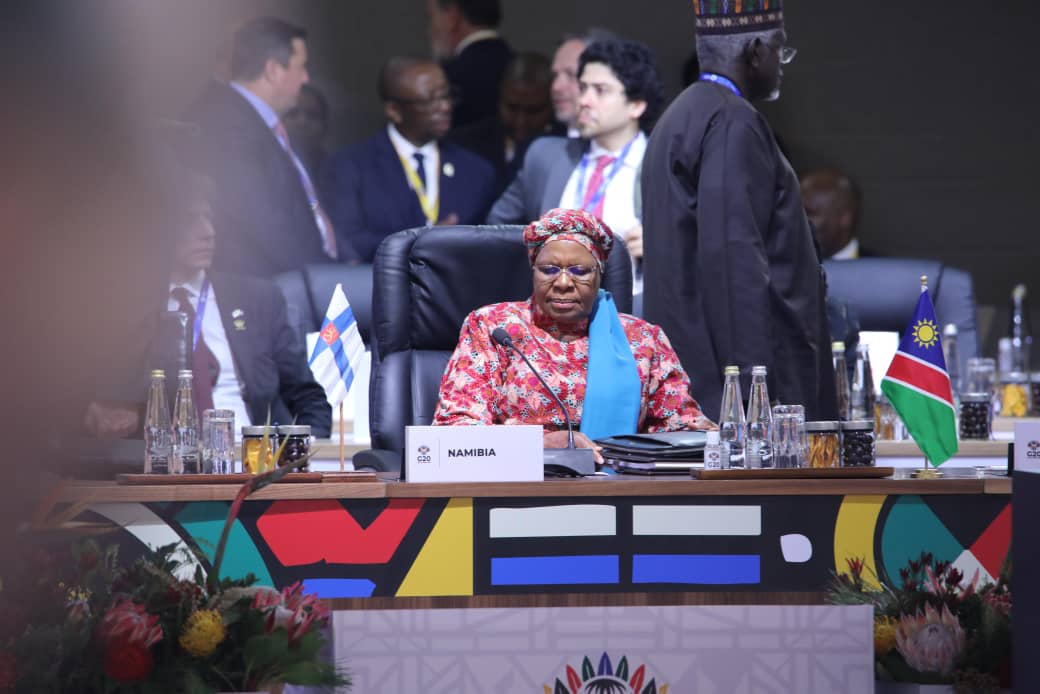
As we gather under the G20 banner, here on the African continent, we cannot emphasise enough the growing recognition of Africa’s role in the global economy and the importance of addressing development priorities from an African perspective. We believe solidarity and sustainability must guide global economic recovery.
We are guided by the African Union Agenda 2063 and the United Nations 2030 Agenda for Sustainable Development. Last year, world leaders adopted the Pact for the Future and placed great emphasis on the need to fast-track the Sustainable Development Agenda, eradicate poverty and hunger, and close the financing gap for developing countries. This is the most meaningful way in which we place people, planet and justice at the heart of sustainable development: by promoting equality and resilience while confronting the climate challenges we face. Over the last two weeks, nations gathered in Belem, the heart of the Amazon, to commit to new climate ambitions.
Our focus on advancing the transformation of global governance must be underpinned by the common understanding that only an inclusive and representative international system will have the capacity to respond to present-day challenges. If our financial architecture is not fit for purpose, we will continue to see the pressures of a looming global debt crisis that intensifies imbalances between developed and developing countries.
Sustainable growth requires strong, productive economies supported by a robust trade framework. Trade enables countries to integrate into global value chains, create jobs and stimulate innovation. In Namibia, we are diversifying our economy, promoting value addition and expanding opportunities so that natural resources yield broad-based benefits. For example, Namibia has implemented the Zero Hunger Road Map since 2016. This multi-sectoral initiative strengthened food security, promoted rural development and continues to inform national strategies, reflecting our commitment to leaving no one behind.
For Africa, regional integration, improved infrastructure and equitable access to global markets remain critical. These actions drive economic growth while fostering peace, stability and social inclusion. We emphasise the importance of strengthening the implementation of the African Continental Free Trade Area and fostering intra-African trade.
To leave no one behind, countries must mobilise adequate resources for development. Through strategic Eurobond issuance and refinancing, Namibia was able to repay high-cost debt, extend maturities and reduce interest expenses. The redemption of our US$750 million Eurobond demonstrates fiscal discipline and responsible debt management, safeguarding resources for essential social and economic programmes in education, health and infrastructure.
Despite proactive measures, debt-servicing costs remain a concern, crowding out development spending. We need global solutions to ensure sustainability. Namibia urges the G20 leaders to strengthen debt treatment frameworks and provide concessional financing to countries that demonstrate commitment to sound debt management.
A critical lesson is that, with careful planning, transparent governance and innovative financing, countries can balance debt sustainability with inclusive development.
Unchecked wealth inequality threatens sustainable development and social cohesion. As we strive towards reduced inequalities within and among countries, fair taxation, financial inclusion and social protection are essential tools. In Namibia, social protection coverage has expanded, with old-age grants reaching 98% of eligible citizens and child grants increasing from 60 to 65% of vulnerable children. These measures ensure that vulnerable groups, particularly women, youth and rural populations, are supported on the path to prosperity.
Inclusive growth must empower all citizens to share equitably in the benefits of development.
In conclusion, let us reaffirm our shared commitment to inclusive and sustainable economic growth, guided by the Sustainable Development Goals, by focusing on three pillars: strengthening trade-driven economies; securing financing for development while responsibly managing debt; and reducing wealth inequality through inclusive policies.
Thank you.
In an age of information overload, Sunrise is The Namibian’s morning briefing, delivered at 6h00 from Monday to Friday. It offers a curated rundown of the most important stories from the past 24 hours – occasionally with a light, witty touch. It’s an essential way to stay informed. Subscribe and join our newsletter community.

The Namibian uses AI tools to assist with improved quality, accuracy and efficiency, while maintaining editorial oversight and journalistic integrity.
Stay informed with The Namibian – your source for credible journalism. Get in-depth reporting and opinions for
only N$85 a month. Invest in journalism, invest in democracy –
Subscribe Now!