


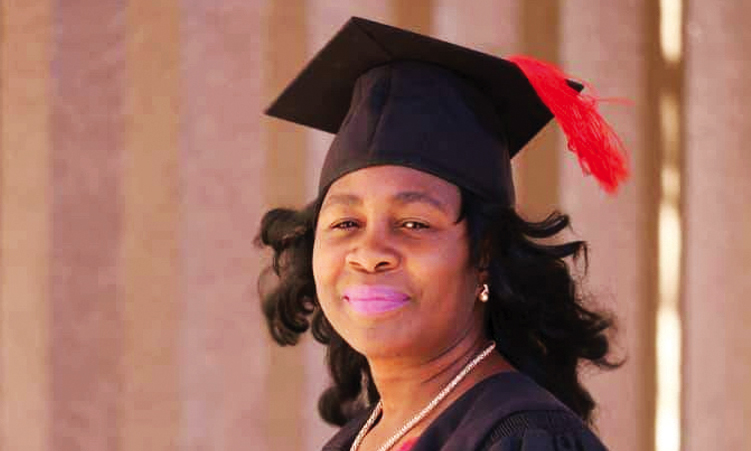
Funanani Nelwamondo’s biggest dream is for her parents to see her finally get a job.
She dreams of buying them “nice things while they’re still alive”.
So far, Nelwamondo (35) has not had any luck since she graduated 16 years ago.
Like most other Namibian graduates, her degree in media communications from the University of Namibia is gathering dust.
She has travelled to different towns for job interviews over the years, only to be told her application was unsuccessful.
“I’ve spent between N$20 000 and N$35 000 on travelling around the country to interviews and on related logistics,” Nelwamondo says.
“This does not include printing CVs, certifying documents, buying data for online application, professional clothing, time lost while travelling, or the emotional cost that comes with rejection.”
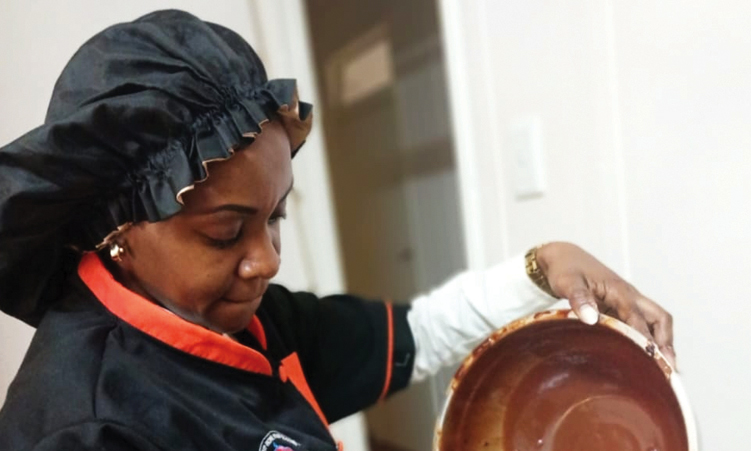
To make ends meet, she works for a friend as an assistant baker at a bakery in Windhoek.
Nelwamondo has been called for job interviews to Tsumeb, Grootfontein and most of the other towns, but in the end, the response is always the same: “We regret to inform you . . . “
She says apart from rejection emails, there is the constant travelling from town to town, rewriting CVs, preparing documents, and rehearsing interview answers, hoping every one would finally be different.
She worries about her elderly parents who sometimes have to give her some of their pension money for transport to job interviews.
“They should be resting, not financing my job search. I want them to see me as stable and independent while they are still here,” she says.
Nelwamondo says for unemployed graduates like herself, the emotional toll of unemployment can be draining.
She says she was called for an interview for a public relations officer job last week.
She is hoping to finally put her degree to use after 16 years.
“Every interview invitation is both a challenge and a reminder that I am still in the race.”
Nelwamondo is not the only one.
Steven Herman (28), another Unam graduate, earned his teaching degree but now drives a taxi at Eenhana because employment prospects are few.
“I studied hard because that is what we are taught: work hard, get employed, improve your life,” he says.
“Driving a taxi is not what I want, but it sustains me and allows me to attend interviews.”
HUSTLING FOR TRANSPORT MONEY
Zacerine Huahepua (31), an enrolled nurse and midwife who graduated in 2023, has still not found a job since her graduation.
She says she has travelled to most towns in Namibia.
“I’ve applied for so many posts in the Ministry of Health and Social Services,” she says.
“I’ve spent close to N$20 000 attending interviews in all 14 regions, and up to now I haven’t secured a permanent job.”
Huahepua says the interview questions are straightforward, but despite her preparedness, opportunities remain elusive.
“It’s not easy, because some of us must source transport funds ourselves and some have no one to assist us,” she says.
Zoofito Ndahepele (25) from Oshakati says he has applied for permanent and temporary teaching posts more than 20 times without success.
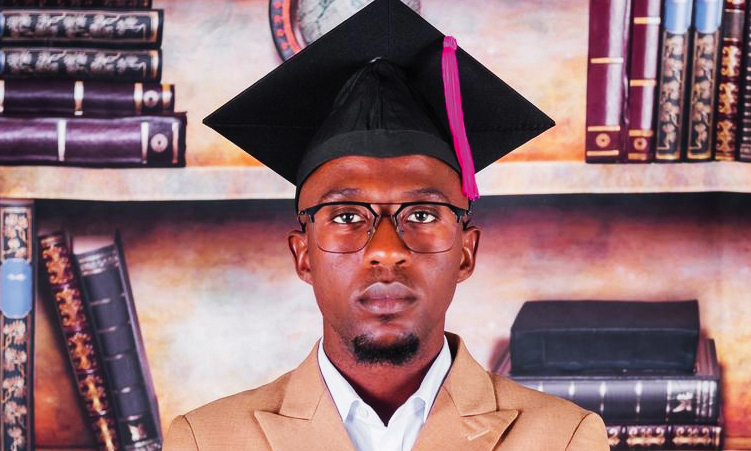
He graduated on 27 November 2025 with a diploma in junior primary education.
“To get transport money, I hustle by fixing cars in a garage to earn small shares from the owners. Travelling for interviews across circuits is expensive and exhausting,” he says.
Ndahepele estimates that the weekly cost of printing, photocopies, and transport amounts to about N$500, excluding lost time and stress.
He also raises concerns about the interview system itself. “Schools invite us on different days instead of conducting all interviews on a single day to cut costs. Some interviews start late, or invigilators mark papers too quickly.
“It sometimes feels like schools have their own preferred candidates,” he says.
Despite these challenges, Ndahepele continues to apply and attend interviews.
SCRAP BAGS INSTEAD OF STUDIO LIGHTS
Angelina Shilongo (42), a mother of four from Havana in Windhoek, says she graduated in 2018.
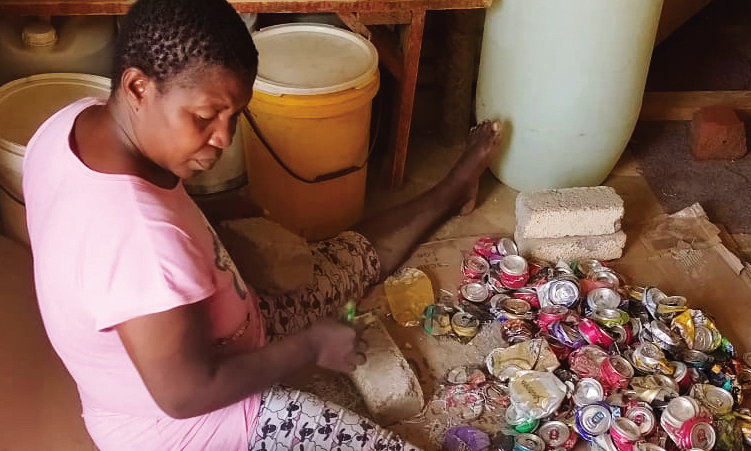
But today she collects discarded beverage cans for a living.
A 50kg bag earns her N$300 at a scrapyard, barely enough to cover daily needs. Shilongo holds an honours degree in media studies with a double major in public relations and English studies from the University of Namibia.
She is the only one among eight siblings to attain a tertiary education.
Temporary retail jobs and volunteering have offered only short-term relief.
Salmi Gerhard (36), once a top-performing student, also encountered a saturated job market after graduation.
“I applied everywhere, sometimes dozens of times a week. Silence or rejection became routine,” she says.
“Eventually, I started tutoring and doing freelance writing. It’s not what I imagined, but it keeps me engaged.”
Elizabeth Shoolongo-Herman (33) completed her studies in media and public relations, but found permanent employment scarce despite internships and volunteering.
“I now do project-based work for non-governmental organisations and community events. It’s not steady, but I am building a portfolio and connections,” she says.
Both women say resilience has become their greatest qualification.
STRUCTURAL CRISIS
According to the latest statistics by the Namibia Statistics Agency 2023 Labour Force Survey, the national youth (people aged 15 to 34) unemployment rate was 44.4%, a slight decrease from 46.1% in 2018.
The overall unemployment rate in Namibia rose to 36.9% in 2023.
Youth unemployment remains the highest among the 15-to-24 age group at 54%. Labour expert Herbert Jauch says the issue is structural.
“Access to education has widened, but the economy hasn’t created enough jobs for graduates. Higher education alone doesn’t solve unemployment,” he says.
HOLDING ONTO HOPE
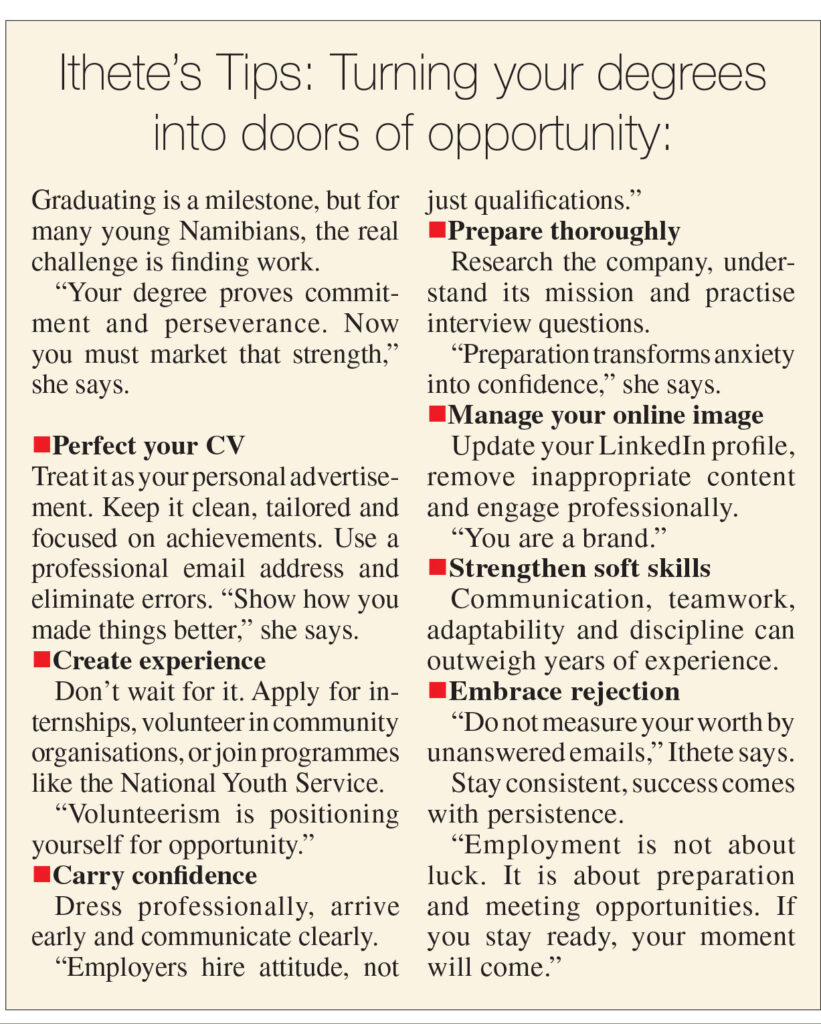
Human resources consultant Liberty Ithete says graduates must strengthen their employability skills.
“Graduates often struggle with communication, problem solving and positioning themselves effectively during interviews,” she says, encouraging internships, volunteering, short courses, and vocational training.
Shilongo lives by the Oshiwambo proverb “tetekela shii, shiwa shixuuninwe”, meaning “endure the bad, for the good will eventually come”.
“These journeys have shaped us into stronger, more patient people,” she says. “We still believe in our education, our skills, and our future.”
In an age of information overload, Sunrise is The Namibian’s morning briefing, delivered at 6h00 from Monday to Friday. It offers a curated rundown of the most important stories from the past 24 hours – occasionally with a light, witty touch. It’s an essential way to stay informed. Subscribe and join our newsletter community.

The Namibian uses AI tools to assist with improved quality, accuracy and efficiency, while maintaining editorial oversight and journalistic integrity.
Stay informed with The Namibian – your source for credible journalism. Get in-depth reporting and opinions for
only N$85 a month. Invest in journalism, invest in democracy –
Subscribe Now!