At some point, we need to stop pretending that businesses magically drop out of the sky fully grown.
The natural process of economic development is that businesses start small, stumble, learn and scale.
But Namibia’s funding ecosystem continues to operate as if this cycle is optional.
We expect polish before potential, and yet we wonder why innovation is stagnant and unemployment is sky-high.
Namibia has a broad unemployment rate of 54.8% and is consistently ranked among the most unequal societies in the world. If we don’t start funding small businesses, we are choosing to preserve inequality.
Worse still, we are risking the very peace and stability we like to brag about. What exactly are we stabilising? A lack of opportunity?
NECESSARY NOT OPTIONAL
Why do we speak about small and medium enterprise (SME) funding as though it’s a favour?
As if it’s something to consider once we have handled the “real” issues of development? There is no developmental agenda without funded entrepreneurship.
That is not an opinion – it is a fact.
We cannot diversify the economy or tackle poverty while treating entrepreneurship like a side hustle and mentorship like a substitute for money.
Just ask the Chinese or the Americans: these very different ideological systems both subsidise and support their high-potential companies without shame.
That is what long-term strategic thinking looks like. Singapore, a small country with no natural resources, bet big on entrepreneurship, and today, its living standards speak for themselves.
Meanwhile, Namibia still tries to revive state-owned airlines that swallowed close to N$10 billion between 2002 and 2020. But when it comes to SMEs, suddenly we get frugal?
Then there’s the go-to excuse: “SMEs are too risky.”
That is not a fact, it’s a lack of ambition. Other countries have developed risk models tailored to growing businesses.
Defaults happen, but advanced economies treat them as school fees, a necessary cost of building innovation. Here, we punish failure like it’s criminal.
Even applying for funding can feel like a moral test. And then we wonder why talented people take their ideas elsewhere.
PRIVATE VS PUBLIC RESPONSIBILITY
At what point does private capital need to be held accountable for helping build the country it profits from? Namibia has just over three million people.
Yet three banking groups – FirstRand, Capricorn Group and Standard Bank Namibia – each generate over a billion dollars a year in profits.
With that level of performance in such a small market, the expectation must be that they each take on more of the measured risk required to support small businesses.
Their balance sheets can handle it.
Their reputations would benefit from it.You can’t keep milking the cow and pretend the calves are someone else’s problem.
And let’s not pretend that big businesses are safer bets. Courts are constantly flooded with legal disputes involving high-profile borrowers. The reality is, some of the riskiest lending happens at the top, not the bottom.
Expanding credit to small businesses diversifies risk.
It shifts power away from legacy players who have become complacent.
It strengthens the system, not weakens it.
SMEs are constantly offered mentorships and training, but rarely see funding that’s accessible, transparent or grounded in local realities.
Meanwhile, other countries are making strategic investments in entrepreneurs, building companies of the future and we are stuck chasing forms and eligibility checklists.
TAKING THE REINS
It’s a simple question. If not the government, then who should step in?
If not private capital, then what are they here for?
If not us, as Namibians, then are we waiting for generous foreign investors to come save us?
It’s time to act like we believe in our own people and fund the dreams we say we support.
Because if Namibia won’t fund its SMEs, then we need to stop asking who will and start asking what kind of future we’re really building.
In a time of rising global protectionism and unpredictable geopolitics, do we really want to be a country with no capacity at home?
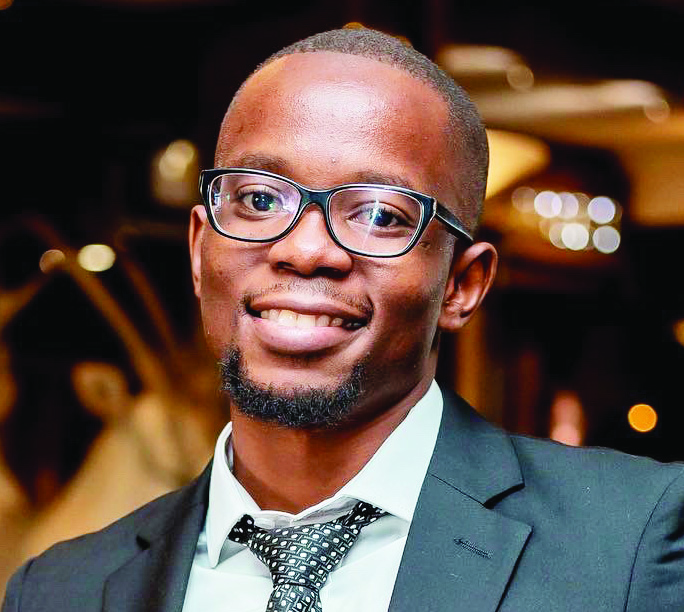
- Fimanekeni Mbodo is an entrepreneur and independent financial and business analyst
In an age of information overload, Sunrise is The Namibian’s morning briefing, delivered at 6h00 from Monday to Friday. It offers a curated rundown of the most important stories from the past 24 hours – occasionally with a light, witty touch. It’s an essential way to stay informed. Subscribe and join our newsletter community.

The Namibian uses AI tools to assist with improved quality, accuracy and efficiency, while maintaining editorial oversight and journalistic integrity.
Stay informed with The Namibian – your source for credible journalism. Get in-depth reporting and opinions for
only N$85 a month. Invest in journalism, invest in democracy –
Subscribe Now!