




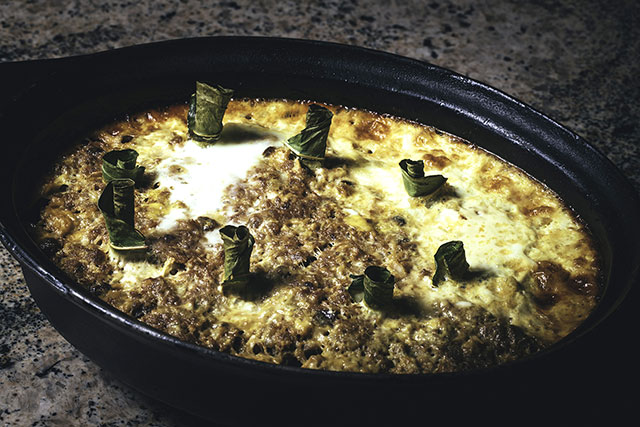
Bobotie is an iconic dish in certain parts of South Africa and Namibia. It has been around for a long time, so long in fact that many may no longer know its true origin. This is not only the case with bobotie. It is the fate of many, if not most, of our classic dishes.
Seeing that food is such a powerful daily expression of culture, and that culture is such a fluid construct, misconceptions about dishes and their origins are common and yet specific cultures are quick to claim ownership and lay down rules and prescriptions for authenticity.
In many countries these food expressions of sub-national identities have been codified into law.
In the European Union for example, there are three legal expressions to protect the names and authenticity of local products and dishes: the protected designation of origin (PDO), the protected geographical indication (PGI), and the traditional specialities guaranteed (TSG).
One direct consequence of these laws is that everyone knows where their food comes from, but second and perhaps more important, it bestows financial and other benefits – direct and indirect – on the rightful owners of said products and dishes.
There are sadly no such legal arrangements in place protecting local food.
Like so many other iconic dishes, the origins and “ownership” of bobotie is contested. One popular view expressed by food writers such as Pieter Veldsman and Renata Coetzee is that bobotie was invented in the Cape by slaves with knowledge of spices that originated in the East.
Coetzee writes: “The meat dishes of the Malays gained great acceptance with the people of the Cape and bobotie, sosaties, stew and other curry dishes are still among the most popular and tastiest of the old Cape dishes.”
The much-revered food expert, writer, cook and medical doctor C Louis Leipoldt expressed the same sentiment about the influence of the slaves on early Cape cooking.
Much later Afrikaners claimed bobotie and many other dishes from the early Cape cuisine as part of their own boerekos. Bobotie was the South African dish selected for publication by the United Nations in their recipe book on world cuisine back in 1951. These days, it would be difficult not to regard bobotie at least as a strong contender for South Africa’s national dish, it is that popular.
Cookbooks are most often not rigorous research projects. HW Claassens’ book about the history of boerekos makes this point loud and clear, also with regard to the iconic bobotie. She points to the fact that early Dutch cooking – long before they arrived at the Cape – was heavily influenced by Italian cooking. The Italians, in turn, were influenced by the Arabs with whom they had come into contact as a result of the spice trade. By the 18th century French cuisine had replaced the Italian influence and became the most influential European cuisine.
Claassens provides evidence that bobotie arrived at the Cape not with the slaves, but with the original Dutch settlers. Further evidence exists that shows that by 1752 the name bobotie was already in use and that there were special cooking vessels called a bobotijkeetel in use for cooking the dish. According to Claassens, bobotie’s origins can be traced back to the recipe for a dish called Patinam ex lacte, recorded by a chef called Apicius who lived during the time of Christ.
Apicius’ recipe used cooked meat, fish and vegetables layered in a shallow dish. He added pine kernels and cooked the dish in its sauce before pouring a milk-and-egg custard over it. His recipe did not contain any of the colourants, such as saffron or turmeric, used today. He also added liquamen or garum (a fermented fish sauce), wine and grape-must jam (moskonfyt) with pepper, celery seeds and asafetida to create the characteristic sweet and sour flavours of the dish. Because of the liquamen no salt was used.
Initially, Cape cooks made the dish over an open fire and with precooked meat. They also replaced the pine kernels with almonds, which were much more readily available. True to the original dish, the dish arrived at the table in the vessel it was cooked in, the bobotijkeetel.
Like all other iconic dishes, bototie kept evolving, and modern versions may not have all that much in common with the original. This week’s recipe is from Renata Coetzee’s book, published in 1977. Although it could be considered a fairly traditional recipe, it contains many of the more modern additions to what we know today as bobotie: apricot jam, lemon juice, dried apricots and curry powder.
Bon appétit!
• 1 kilogram minced beef
• 1 large onion, diced finely
• 2 tablespoons vegetable oil
• 1 slice white bread
• 1 cup milk
• 1 tablespoon apricot jam
• 4 tablespoons lemon juice
• 75 grams seedless raisins
• 2 tablespoons curry powder
(or to taste)
• 12 almonds, cut into quarters
In an age of information overload, Sunrise is The Namibian’s morning briefing, delivered at 6h00 from Monday to Friday. It offers a curated rundown of the most important stories from the past 24 hours – occasionally with a light, witty touch. It’s an essential way to stay informed. Subscribe and join our newsletter community.

The Namibian uses AI tools to assist with improved quality, accuracy and efficiency, while maintaining editorial oversight and journalistic integrity.
Stay informed with The Namibian – your source for credible journalism. Get in-depth reporting and opinions for
only N$85 a month. Invest in journalism, invest in democracy –
Subscribe Now!