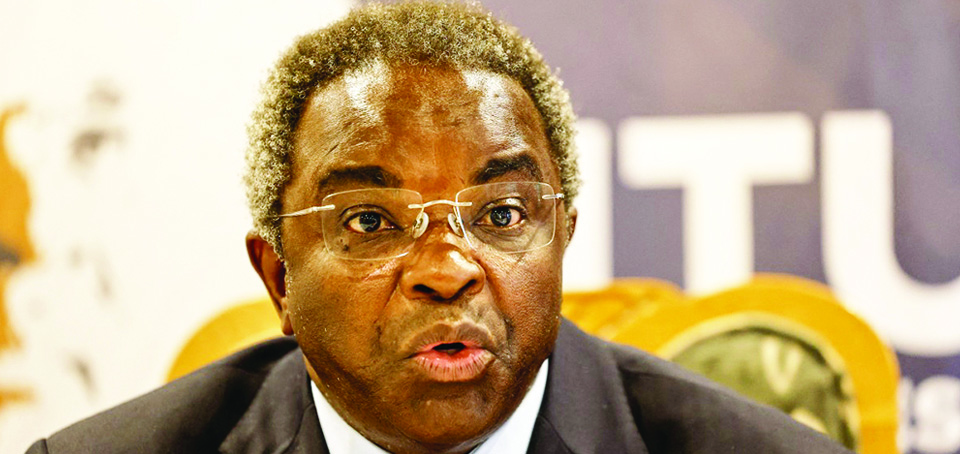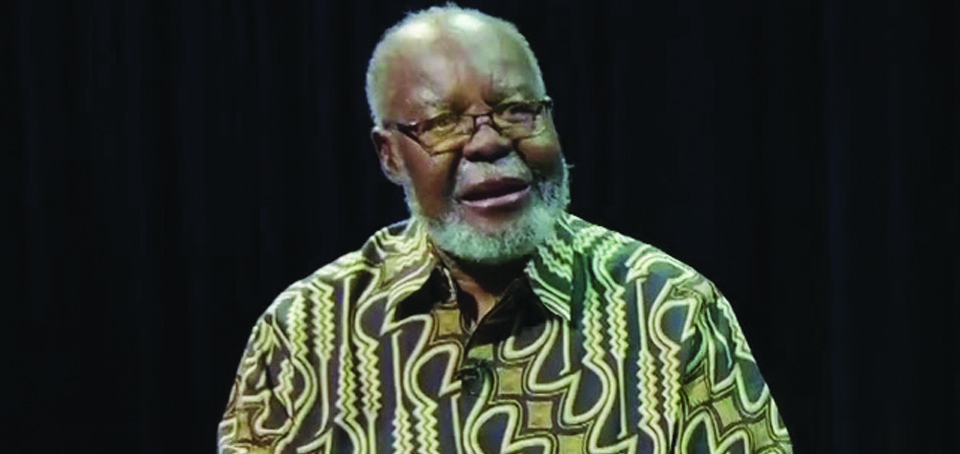




Minister of urban and rural development James Sankwasa has denied removing a traditional chief, urging communities to resolve disputes themselves.
He says appointing or removing chiefs is the mandate of communities.
Sankwasa was reacting to claims that he had directed the removal of Zacharias Seibeb as the chief of the Dâure Daman Traditional Authority and had ordered the recommencement of the appointing process.
“That is a traditional issue and has to be dealt with in line with applicable traditional customs. I did not order the removal of the chief,” the minister said on Thursday.
The traditional authority has been locked in a long-running dispute between a section calling itself ‘the concerned group’, accusing Seibeb of misconduct and calling for his replacement as chief.
Seibeb has been the chief of the traditional authority for the past 10 years.
During the height of the removal campaign, the concerned group submitted petitions to the ministry, and the chief’s house at Uis was petrol-bombed with a number of suspects arrested.
Sankwasa called the chief and his council, as well as members of the concerned group to a meeting in Windhoek on Wednesday.
“I directed the chief to submit a report pertaining to an audit report that found some financial mismanagement.
“These are public funds that have to be accounted for and the chief has until next Wednesday to submit that report. We will take it from there as a ministry,” the minister said.
Sankwasa said when claims that the chief was appointed unprocedurally were raised, he directed that the concerned group should go back to the community to resolve the issue at that level.
He said that is the community’s mandate.
“I am a traditionalist and I know every community has its ways of appointing their chief,” said Sankwasa.
Seibeb, along with traditional authority spokesperson Martin Matsuib, senior headman Eliazer Gowaseb, and Ludwig Taniseb, on Thursday said he appreciated the minister’s efforts to resolve the dispute, which he believes is being driven by some political parties.
He said although the protestors had listed a number of grievances in their petitions, the issue of his appointment had never been raised until Wednesday’s meeting with Sankwasa.
“The people followed the correct procedure and presented me to the government as their chief. So those who say I’ve been removed misunderstood the minister’s directive.
“Until that directive is put on paper, I will not react, because he [Sankwasa] can later say, ‘I did not say that’.
“We cannot rely on his verbal comments. He has to put it in writing and communicate it to the traditional authority, so that the chief can say, okay, minister, here and there you are wrong,” Seibeb said.
He said in their tradition a chief is not elected, but the incumbent chief appoints his successor and the elders’ and the chiefs’ councils agree.
“The governor must verify in writing how the process was conducted. This, together with the minutes of the elders’ and chiefs’ councils, and the letter of appointment of the chief, are sent to the ministry.”
Seibeb dismissed claims that he misused funds, saying when he took over, the traditional authority office had “nothing”.
Its bank accounts were closed and he had to approach people to deposit money and donate chairs and computers, he said.
“The rabble-rousers wrote a petition claiming I had mismanaged funds, but were dismissed by a ministerial investigation committee because I am not a signatory to those accounts,” he said. – matthew@namibian.com.na
In an age of information overload, Sunrise is The Namibian’s morning briefing, delivered at 6h00 from Monday to Friday. It offers a curated rundown of the most important stories from the past 24 hours – occasionally with a light, witty touch. It’s an essential way to stay informed. Subscribe and join our newsletter community.

The Namibian uses AI tools to assist with improved quality, accuracy and efficiency, while maintaining editorial oversight and journalistic integrity.
Stay informed with The Namibian – your source for credible journalism. Get in-depth reporting and opinions for
only N$85 a month. Invest in journalism, invest in democracy –
Subscribe Now!