



Bertolt Brecht Once wrote that “when a hungry man writes a book, it becomes a powerful weapon”.
Recently, I asked my pupils to write essays about issues affecting their schools or communities.
One orphan from the Kavango West titled his essay ‘What’s Happening with the School Feeding Programme?’.
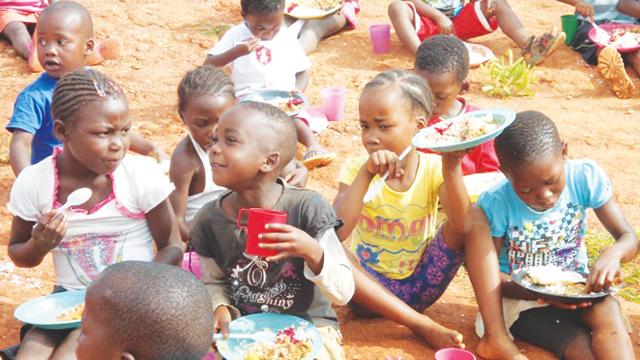
He wrote: “For many of us, the school meal is the only proper meal we receive in a day. When there is no food, it affects our ability to concentrate, learn and attend school regularly.
Some children have even stopped coming because they know there will be nothing to eat.”
His words reveal a painful truth: Inconsistent school feeding undermines education.
The programme, introduced in 1991 with World Food Programme support, aimed to provide a simple daily meal for children in rural and food-insecure areas.
In 2016, the government adopted a national school feeding policy to strengthen its implementation and ensure that every pupil received one nutritious meal a day.
However, erratic food supplies continue to plague rural schools, leading to poor academic performance, absenteeism and deepening inequality.
Hunger impairs concentration, memory and problem-solving skills.
According to the United Nations Children’s Fund, children suffering from chronic hunger are 20% less likely to achieve literacy and numeracy targets.
School attendance in rural areas often depends on the consistent availability of meals. When food runs out, absenteeism and dropout rates rise as pupils seek wild fruits or casual work to survive.
The World Food Programme notes that school feeding schemes can increase enrolment and attendance by up to 9% in poor communities.
Hunger also affects emotional well-being. It causes stress, frustration and anxiety, leaving vulnerable children feeling marginalised and hopeless.
The 2023 Namibian Child Care and Protection Report links persistent hunger to rising cases of depression and low self-worth among rural pupils.
The absence of feeding programmes widens the gap between children from poor families and those who can afford lunch, undermining education as an equaliser.
The United Nations Educational, Scientific and Cultural Programme warns that without nutritional support, socio-economic disparities only grow, perpetuating poverty.
To ensure education fulfils its purpose, the government, communities and parents must share responsibility.
Families can contribute through small-scale farming, while the state ensures consistent food supply.
Addressing hunger is not merely a policy issue – it is a matter of justice, dignity and the future of every Namibian child.
– Tomas Nehale
In an age of information overload, Sunrise is The Namibian’s morning briefing, delivered at 6h00 from Monday to Friday. It offers a curated rundown of the most important stories from the past 24 hours – occasionally with a light, witty touch. It’s an essential way to stay informed. Subscribe and join our newsletter community.

The Namibian uses AI tools to assist with improved quality, accuracy and efficiency, while maintaining editorial oversight and journalistic integrity.
Stay informed with The Namibian – your source for credible journalism. Get in-depth reporting and opinions for
only N$85 a month. Invest in journalism, invest in democracy –
Subscribe Now!