




As 2026 Starts, it’s natural to turn our thoughts to the good we can do in the coming year – not just for our families and communities, but for the world at large.
It’s a time not just for personal resolutions but for asking a bigger question: how can we help the world’s poor as effectively as possible?
The United Nations’ (UN) attempt to answer that question effectively died last year.
A decade ago, it committed everything to everyone through the Sustainable Development Goals (SDGs) – it would fix poverty, hunger, disease, unemployment, climate change, and war by 2030.
Last year’s progress report revealed a painful truth: only 18% of 169 UN targets are on track, while one-third are stalled or going backward.
While global hunger declined slightly, child stunting crept upward in Africa.
The learning crisis – where more than half of 10-year-olds in low-income countries still cannot read a simple sentence – barely budged.
We didn’t hear much about these development challenges because 2025 was already crowded with urgent geopolitical and economic news.
Russia’s war in Ukraine continued to drive up food and fertiliser prices.
Conflicts in the Middle East and Sudan displaced millions. Ballooning debt costs in developing countries made it ever harder to invest in health and education.
Rich nations, facing their own geopolitical threats, inflation, and deficits, slashed foreign-aid budgets.
SOBERING TRUTHS
After a 9% drop in 2024, we’re likely to see another 9-17% decline for 2025. Aid for the world’s poorest countries could be cut by one-quarter.
At the same time, major development organisations now divert over US$85 billion of aid toward virtue-signaling climate projects, further starving basic development.
The sober truth is that 2026 will mean even fewer resources to do good.
We have to stop pretending that we can afford to do everything all at once, as the SDGs still do.
When each dollar is fought over, dividing 100 cents across 169 promises means minimal progress anywhere.
But there are still hopeful ways to help in 2026.
My think tank, the Copenhagen Consensus, has spent years working with over 100 top economists and several Nobel laureates to answer a simple question: given money is tight, where can each scarce dollar do the most good?
Our peer-reviewed research, published for free with Cambridge University Press, points to a dozen phenomenal policies that deliver astonishing returns even in today’s harsh fiscal reality.
Take nutrition. While over 8% of the global population is still undernourished, helping children in the first 1 000 days of their lives – in the womb and in their first years – can do phenomenal good for little money.
For about US$2.50, we can supply mothers with multiple micronutrient supplements across their pregnancy.
This helps avoid babies becoming stunted and reduces irreversible cognitive damage.
Research shows that every dollar delivers around US$40 in lifetime economic benefits – better than most policies being pursued today.
SIMPLE FIXES
Or consider the learning crisis, where research has identified simple, proven fixes.
Putting children in front of cheap tablets with educational software one hour a day can help each pupil learn at their own level and speed.
Structured plans for every class can help teachers teach better.
These policies cost just US$10–US$30 per child per year, but they can double or triple a school’s overall efficiency.
In an era of shrinking education budgets, these interventions return US$65 – US$80 per dollar invested.
Instead of condemning another generation to illiteracy and low productivity, these solutions offer hope.
The fight against tuberculosis (TB) and malaria is losing momentum.
Yet scaling up diagnosis, six-month TB treatment courses, and insecticide-treated bed nets are among the very best buys in global health, delivering US$46 – US$48 of social benefits for every dollar spent.
STARK LESSONS
Altogether, the 12 policies would cost about US$35 billion a year – a pittance compared to the over US$10 trillion needed to deliver the UN’s Sustainable Development Goals.
The US$35 billion could save more than four million lives every year and make the poorer half of the planet a trillion dollars better off annually – creating jobs and making the world a more secure place.
That is an average return of more than US$50 for every dollar.
Governments should adopt these 12 proven policies first.
Philanthropists and the rest of us can direct our own giving to the outstanding charities that deliver bed nets, vitamins, TB treatment, and effective teaching – organisations that achieve 100 times more good than feel-good campaigns with vague impact.
The lesson for 2026 is stark but powerful: when resources are scarce, we must stop promising everything and instead spend well.
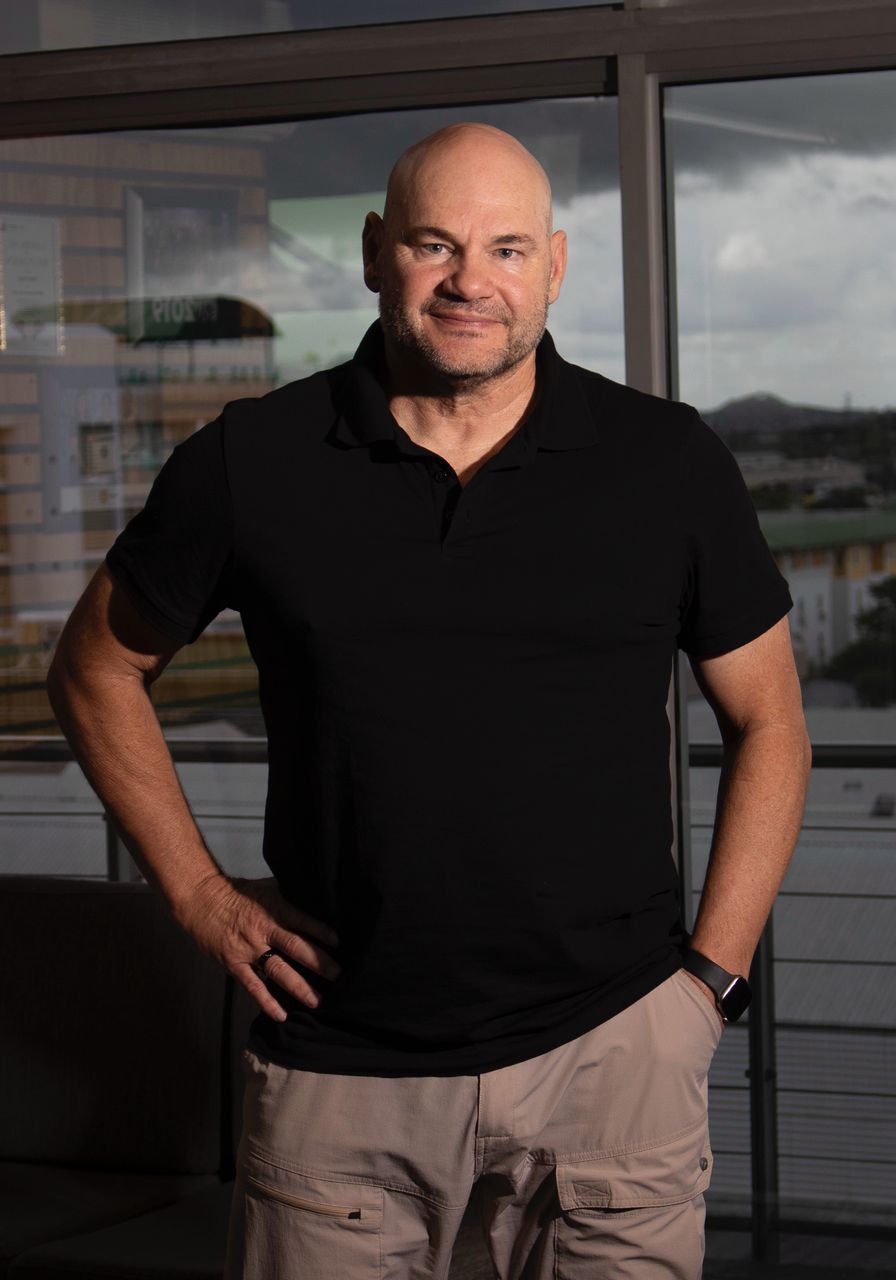
– Bjorn Lomborg is president of the Copenhagen Consensus and the author of ‘Best Things First’.
In an age of information overload, Sunrise is The Namibian’s morning briefing, delivered at 6h00 from Monday to Friday. It offers a curated rundown of the most important stories from the past 24 hours – occasionally with a light, witty touch. It’s an essential way to stay informed. Subscribe and join our newsletter community.

The Namibian uses AI tools to assist with improved quality, accuracy and efficiency, while maintaining editorial oversight and journalistic integrity.
Stay informed with The Namibian – your source for credible journalism. Get in-depth reporting and opinions for
only N$85 a month. Invest in journalism, invest in democracy –
Subscribe Now!