








IT CERTAINLY is no secret that times are hard and, some may believe, the money struggle is nothing short of real.
In as much as our parents, teachers and elders have warned us against borrowing, it may be a space that no one is spared from turning to.
The question thus is how one leverages that vulnerable space and interrogates how to borrow wisely and still remain afloat and make meagre ends meet.
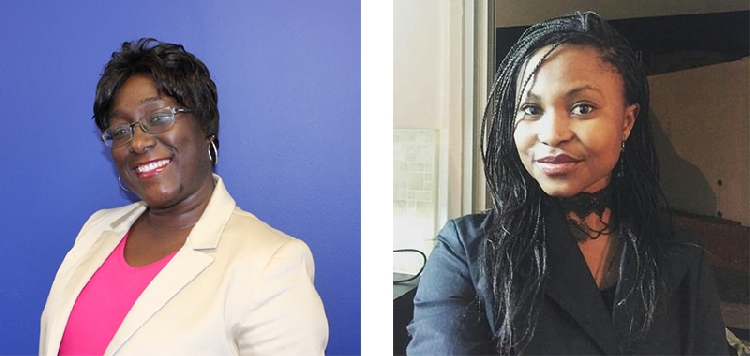
Surihe Gaomas-Guchu, spokesperson of Standard Bank, says managing one’s money is key. “We need to recognise one thing, that getting control of your money requires constant attention and discipline.”
Imperative to and in line with this ideal, she says we need to distinguish between wants versus needs.
“Do I need this? This is the conscious decision that one needs to make before spending money, especially when the expenditure is big. When it comes to responsible budgeting, one needs to put needs before wants. Needs differ from person to person, however, they include food, water, electricity and school fees.”
Wants, Gaomas-Guchu says, often have a materially different identity than needs. “Do I want this? It is only human to want things. It is things one would like to have, but can live without, like luxury foods, alcohol, branded clothes and fancy cars.”
She added that this should not mean we should not reward ourselves if the means permit. “It does not only mean that you should buy things that you need. Life is meant to be lived, not survived, so treat yourself to some wants along the road, however, only when you can afford them.”
As significant as savings are, debt needs to take precedent, she says. “If you have a savings plan, put it on hold until your debt is sorted out. Remember this is for your future, once you are out of debt you can make plans to build wealth.”
Home is where the bond payment is…
According to Gaomas-Guchu, one should prioritise one’s home loan payment. Never skip an instalment, and pay as much as you can.
“Do not wait until it is too late. If you cannot afford your monthly repayments, approach the bank to assist you with restructuring or consolidating all your debt, to provide you with lower payments.”
Debt may be dirty, but it does not come cheap…
“Many people do not understand how expensive debt can be. Buying on credit and borrowing money is not a good idea. It is wise to save money if you want to buy something,” Gaomas-Guchu advises.
She shares the following tips:
Borrowing money from the bank maybe a better idea because the interest you pay is lower than the interest you would pay to a loan shark or furniture store.
The bank can provide you with a proper repayment plan that caters for your cash flow and have flexible terms of repayment. Remember: the shorter the repayment period, the lower the interest you pay back to the bank and vice versa.
Identify the smallest debt you have and add extra money to it, so you pay it off quicker. Once this is settled, use the surplus instalment and the little extra to pay off the next loan you have.
When deciding on debt, engage the bank to see which offering will suit your needs the best and will be the cheapest for you as a customer.
Ensure you are financially savvy when shopping. Instead of buying on credit at stores, should you have a credit card facility with Standard Bank, you have a 55-day interest free period for all point of sale purchases.
Give priority to those debts with the highest interest and then the rest in a descending order.
Saving [and] the future in Gaomas-Guchu’s words:
“Things we need to save money for:
My child[ren]’s education,
To buy a car,
To buy a house,
For rainy days.
“Saving for a ‘rainy day’, if you find yourself in financial difficulties owing to losing your job or needing to deal with a medical emergency, then a safety net is vital. You also need to save today in order to have a worry free retirement, have a deposit for your first car or for when you want to renovate your house.”
Let the debt settle before the dust does…