



Africa has had a bad reputation for its treatment of lesbian, gay, bisexual, transgender and intersex persons (LGBTI), with 34 countries on the continent still outlawing homosexuality.
In Nigeria, Sudan and southern Somalia, homosexuality is even punishable by death while citizens of Uganda, Sierra Leone and Tanzania face life imprisonement for homosexual acts.
While Namibia has no laws supporting LGBTI citizens, our sodomy law, which was inherited from Roman-Dutch common law, still stands, despite calls from civil society and human rights advocates for it to be repealed.
Historically, Namibian leaders have also been known to be firmly against any calls for LGBTI rights and have been known to make public threats against those with diverse sexual orientation/gender identity.
All this has a direct impact on the daily lives of LGBTI persons.
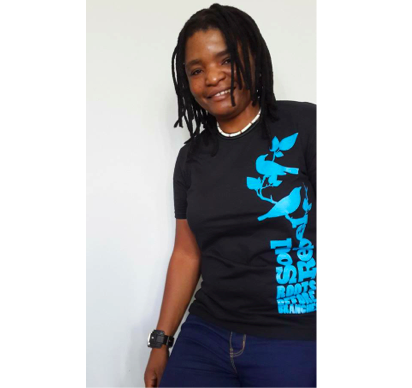
Linda Baumann from Ouright Namibia (ORN), an NGO advocating for the rights of LGBTI persons, acknowledges that Namibia is generally safe but adds that for sexual minorities, threats still exist.
“It is imperative to note that our country is safe and stable, however, the climate of our social engagement and justice thereof has manifested that the safety of LGBTI people in the country is compromised at a number of levels,” she tells .
These threats, as outlined by ORN, include homophobia and transphobia through a lens of discrimination, prejudice and stigma which is translated into forms of hate speech, internalised homophobia/transphobia and ultimately unsafe communities.
A 2014 United States Human Rights Country Report on Namibia stated that public discrimination and violence against lesbian, gay, bisexual, and transgender persons remained a problem in Namibia.
Today, according to ORN, LGBTI persons continue to face prejudice from law enforcement officials.
“The law enforcement agents at the station put forth their personal prejudice as to humiliate LGBTI persons seeking for services. Such acts have crippled a number of LGBTI people not to seek services unless forced to do so. Officers also tend to be more negative towards trans-diverse people, as they do not conform,” Linda says.
This, she says, is worsened by a poor track record of cases opened after LGBTI persons reported a crime hardly making it to court.
Reigning Mr Gay Namibia Ricardo Raymond Amunjera says that although Namibia is gay friendly, the country has a long way to go to being a safe haven for the LGBTI community.
“As long as the government continue to be silent on the issue of LGBTI rights within Namibia, the country will not be safe. As long as government officials perpetuate hate speech, pubic officials will feel empowered to discriminate,” he says.
Ricardo acknowledges that he has it better off than most, saying: “I live within a community that celebrates diversity, I have a network of family and friends who are extremely supportive so I feel safe but I also need to realise that I speak from a place of privilege.”
For others like Beyonce Garoes, the picture is different.
“We don’t get problems from the government but we get verbal threats from people in our communities,” she says. A soft-spoken administrative assistant by profession, Beyonce, who is transexual, dreams of a day when she can walk the streets without fear of harassment.
“We also want our rights, we also want to be free like others,” she says.
ORN acknowledges that Namibian LGBTI people face different challenges depending on the tolerance level of their respective communities.
“Namibian LGBTI people live in different communities and have different experiences due to their religious, cultural, political and social backgrounds. However, ORN wants to also acknowledge the level of tolerance that society carries.”
There are currently no homes to shelter victims of hate crimes particularly, and the use of the national system has been challenging. Linda notes that ORN has had to seek alternatives to protect victims within the LGBTI community.
“There are a number of safe spaces that LGBTI people have found within our community, however ORN’s experience with hate crimes and the need for emergency assistance such as safe homes has resulted in ORN liaising with LGBTI persons and sympathisers to assist with sheltering the survivors of hate crimes,” says Linda.
The assistance, she says, ensures the availability and attainment of biomedical and psycho-social support.
“ORN has experienced and can attest to the shift in how people view the LGBTI person and has seen LGBTI persons reunited with their families. We have seen a change in the health service provision and we have also seen more LGBTI persons claiming their identity,” Linda says.
In an age of information overload, Sunrise is The Namibian’s morning briefing, delivered at 6h00 from Monday to Friday. It offers a curated rundown of the most important stories from the past 24 hours – occasionally with a light, witty touch. It’s an essential way to stay informed. Subscribe and join our newsletter community.

The Namibian uses AI tools to assist with improved quality, accuracy and efficiency, while maintaining editorial oversight and journalistic integrity.
Stay informed with The Namibian – your source for credible journalism. Get in-depth reporting and opinions for
only N$85 a month. Invest in journalism, invest in democracy –
Subscribe Now!