



• Stephen Eisenhammer, Libby George, Dmitry ZhdannikovOn 6 October, with the dust still settling on Angola’s first change of power in 38 years, new President João Lourenço sat down with international oil majors at the presidential palace in Luanda.
The top executives in Angola of Chevron, Total, BP, Eni and Exxon said the oil sector was being devastated by delays in project approvals at Sonangol and a backlog of payments owed by the state oil company, according to four oil industry sources with knowledge of the meeting.
They warned Lourenço that Angola’s production would decline from 2019 unless swift action was taken to tackle problems at the firm, which was headed by Isabel dos Santos, daughter of his presidential predecessor, the sources said. They declined to be named because the discussions were confidential.
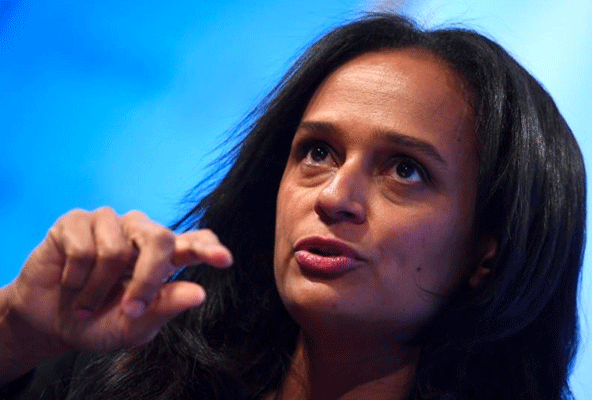
Six weeks later the president fired Dos Santos, Africa’s richest woman who is nicknamed the ‘princess’ in Angola.
The oil majors all declined to comment on the meeting. Lourenço’s office and Sonangol did not respond to requests for comment.
It was a highly unusual gathering; foreign oil firms operate nearly all of Angola’s production and hold huge sway, but meeting the president as a united group was almost unheard of.
The nature of the discussions has not been previously reported. The talks, and subsequent events leading up to Dos Santos’ dismissal, shed light on the reasons behind her ouster – a decision never officially explained.
They offer new insight into the current state of the most important company in Angola, which relies on oil for a third of its economic output and over 95% of exports, and the big challenges facing the new management of the debt-laden firm.
The dismissal also points to the waning power of the Dos Santos family, which has dominated Angolan politics and business for decades. Isabel dos Santos’ father José Eduardo had ruled the country since 1979, amassing wealth for his relatives who own companies in almost every part of the economy.
Billionaire Dos Santos, who had been Sonangol chair since June 2016, has said she was in the process of restructuring to root out waste and corruption at a company that was struggling even before oil prices plunged in mid-2014.
Her representatives declined to comment for this story, and instead pointed Reuters to two statements, issued in the days after her exit, when she outlined her achievements including reducing debt to US$7 billion from US$13 billion, raising annual revenue to US$15,6 billion from US$14,8 billion and cutting costs.
In her departing speech to staff, she said the company had been “nearly bankrupt” when she took over, devastated by the oil-price collapse. “Memories are short,” she added.
However, according to interviews with 10 sources, including the four oil industry sources as well as officials from Sonangol and the government, Lourenço was frustrated with the slow pace of change at the company.
On 13 October, a week after meeting the oil majors and 17 days after taking office, the president ordered government ministers, Sonangol and international oil companies to form a 30-day working group to review the state of the industry.
The group’s meetings, many of them led by new secretary of state for oil Carlos Saturnino, were tense, the sources said. Saturnino, an oil industry veteran, had been fired by Dos Santos from his role as head of production and exploration at Sonangol last year when she accused him of gross mismanagement.
Even though Dos Santos had launched a turnaround plan, huge hold-ups in the approval of projects were strangling the oil sector, according to the sources.
Her board had implemented a system for checking projects submitted by foreign oil companies which in practice exacerbated the problem, they said.
She had also created a gulf between her board and the rest of the company by surrounding herself with foreign consultants, said the people, who declined to be named due to the confidential nature of the industry review and related discussions.
The working group concluded there was “a near paralysis” at Sonangol, according to a government source.
As the group assessed the state of the industry, Lourenço met with Sonangol’s biggest lenders – including the Bank of China, Standard Bank and Standard Chartered – to understand Sonangol’s financial situation and secure lower lending rates, according to a source familiar with the talks.
“Lourenço realised Sonangol needs money fast,” said the source, adding that the company had been seeking to restructure some payments.
Standard Bank declined to comment, citing client confidentiality, while Standard Chartered and Bank of China did not respond to requests for comment.
Sonangol’s direct debt to Chinese banks and lending consortia including Chinese banks stood at US$3,8 billion at the end of 2016, according to the company’s annual report.
Oil industry sources told Reuters this debt now stood at about US$3 billion, plus another US$3 billion to majors, contractors and traders.
The government itself also last year took out a further US$6,9 billion loan from the China Development Bank that it lent to Sonangol, US$3,8 billion of which the firm used to refinance debt, according to an International Monetary Fund report.
Supporters of Dos Santos, who are familiar with her work at Sonangol, said the debts dated back to before her tenure. They said the company was now in better financial state.
The slow pace of restructuring, they say, was due to the scale of the job and restraints imposed by the state on selling assets.
In an age of information overload, Sunrise is The Namibian’s morning briefing, delivered at 6h00 from Monday to Friday. It offers a curated rundown of the most important stories from the past 24 hours – occasionally with a light, witty touch. It’s an essential way to stay informed. Subscribe and join our newsletter community.

The Namibian uses AI tools to assist with improved quality, accuracy and efficiency, while maintaining editorial oversight and journalistic integrity.
Stay informed with The Namibian – your source for credible journalism. Get in-depth reporting and opinions for
only N$85 a month. Invest in journalism, invest in democracy –
Subscribe Now!