





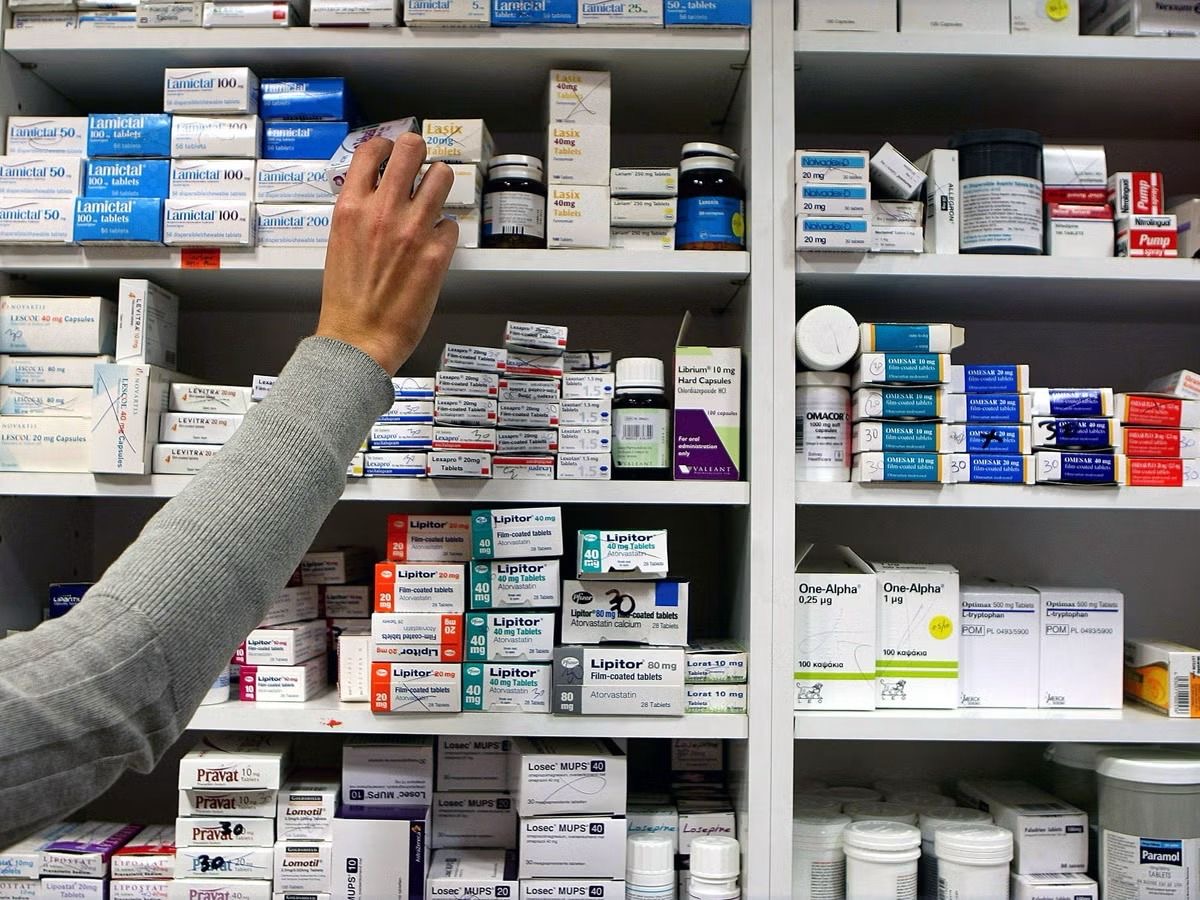
The Ministry of Health and Social Services has saved N$221 million since August by bypassing middlemen and procuring essential medicines directly from international manufacturers and wholesalers.
This was revealed by minister of health and social services Esperance Luvindao at a press conference in Windhoek on Monday.
The initiative, she said, is part of a set of reforms to address persistent stock-outs at public health facilities across the country.
Luvindao said the new approach, executed under the emergency provisions of the Public Procurement Act 15 of 2015, is not only saving the country money, but also improving the availability and reliability of essential pharmaceutical supplies.
“We are pleased to report that the ministry’s efforts to procure directly from international manufacturers and wholesalers are proving fruitful. In the initial phase, we engaged with 41 prequalified manufacturers and wholesalers, receiving offers for hundreds of essential medicines and clinical supplies. In relative terms, these offers have potentially generated savings of approximately N$221 494 485.81, compared to the weighted average intermediary prices,” Luvindao said.
She said the ministry was allocated nearly N$1.9 billion (15.5%) of its total budget for pharmaceutical and clinical supplies procurement for the 2025/26 financial year. Despite this investment, Namibia has struggled with pharmaceutical shortages, mainly due to a lack of long-term contracts, supply chain disruptions, and inefficiencies in warehousing and inventory systems, she said.
Over the past two years, the Central Medical Stores’ service level dropped below 57%, far short of the required 80% benchmark, leading to widespread stock-outs that compromised patient care.
The minister said the emergency procurement, activated on 13 August, was aimed at stabilising long-term stock levels for about 75% of key pharmaceuticals, adding that the shift to direct procurement was not a temporary fix, but a prelude to long-term structural changes.
“We are now moving away from a reactive approach to a proactive one where we anticipate demand and secure long-term contracts with manufacturers and contractors to ensure a steady supply of essential medicines,” Luvindao said, adding that a new access-controlled, centralised warehousing facility is being established to consolidate existing stores and that the ministry will, going forward, bar underperforming suppliers.