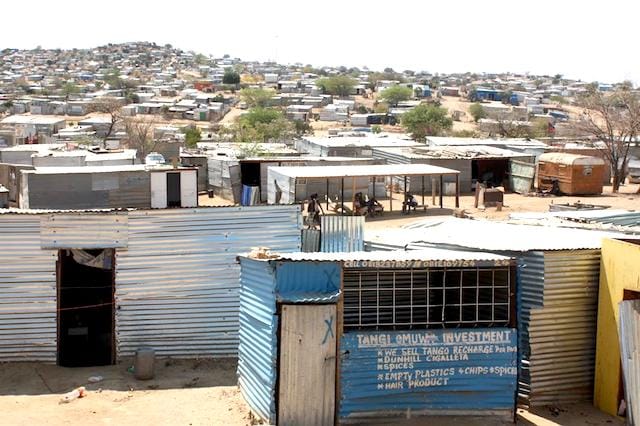






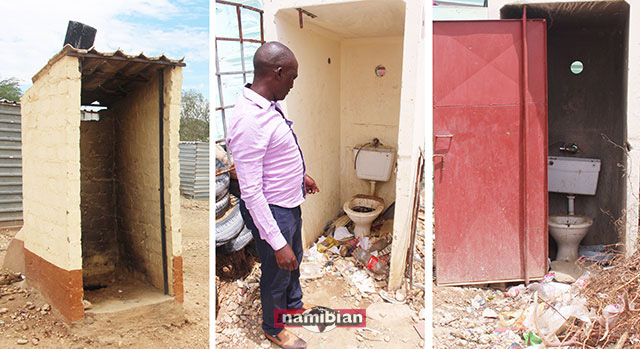
PERENNIALLY clogged pipes, broken toilet pots and stolen doors. This is the face of communal toilets in Samora Machel constituency, of which Havana is the largest informal settlement.
Here, the entire community share fewer than 10 toilets.
The constituency is home to 50 110 persons, according to 2011 estimates as reported by the Namibia Statistics Agency.
This has been the situation residents of this part of Windhoek’s informal settlement, many of whom unemployed, have to contend with.
The 10 functional toilets are remnants of about 30 toilets constructed in the area.
The toilets were installed to cater for the residents, who before their construction, were using the unhygienic bucket toilets and pit-latrines.
This state of affairs has forced many people in the area to return to the inhumane bucket system, or use the bushes in the constituency to answer to nature’s call.
Local residents described the situation as dehumanising. Paulus Shifa (40) has been living in Samora Machel for 13 years.
Shifa said some toilets were broken due to vandalism and poor maintenance.
He said due to the economic climate in the country, most residents cannot afford toilet paper and end up using hard materials such as cardboard and sticks, which block the toilets.
Shifa said, as a result of the few functional toilets, residents are forced to wait in long lines, resulting in some having to find alternative places to relieve themselves.
“There are times we have to wait 15 minutes for the toilet, but when nature calls, sometimes we have to relieve ourselves in a bucket in our houses or at dumping site. Some people get so desperate that they just drop behind the toilet,” he continued.
Concerned about the health of his two children, Shifa said he does not allow them to use the public toilet.
“They go to the bush and do not use the toilets because if you send them there, they will touch the toilets and it’s always dirty. It’s unhygienic,” he said.
Contacted for comment, Windhoek municipality’s public relations officer, Harold Akwenye, referred this reporter to Botha Ellis from the Office of the Chief Executive Officer who said he was still gathering the required information from experts and would give feed back as soon as possible.
Another resident, Patrick Michael (35), who has been living in Samora Machel since 2006, said safety is another concern when visiting the toilets at night.
“Thieves take advantage of the dark. They hide behind walls and when they see someone carrying a phone or handbag, they grab these items even while people are sitting on the toilet pot. It happened five times last week,” he said.
“You’ll hear people screaming while you are trying to sleep. During the night we use the bucket. It is very dangerous to walk to the toilets at that time,” he continued.
Michael said there were already many toilets that were not functioning when he moved to Samora Machel.
“Most of the toilets have not been working since 2006 and over time more have been breaking down. None of them have been repaired since. They [government] came to do renovations once but they only painted the toilets, even some that were broken already,” he said.
During the visit to the constituency, The Namibian found locals fetching water from pipes that are connected to the toilets.
They said they do this because many of them cannot afford to pay for water cards.
Sources who asked not to be named, said they do this out of desperation.
“We do not have money to buy water. The municipality office is also far for us to go and collect water cards. The closest place to buy water is in Wanaheda location,” he added.
“Perhaps they could bring it to the nearest police station or have a mobile unit,” he suggested.
He said government officials had a meeting with the residents in 2018 where they promised to give feedback on future steps to address the toilet issue, however, that was not done.