




A Directive by the Hardap Regional Council last week ordering all government offices in the region to prioritise locals for jobs has been described as discriminatory and unconstitutional by labour experts.
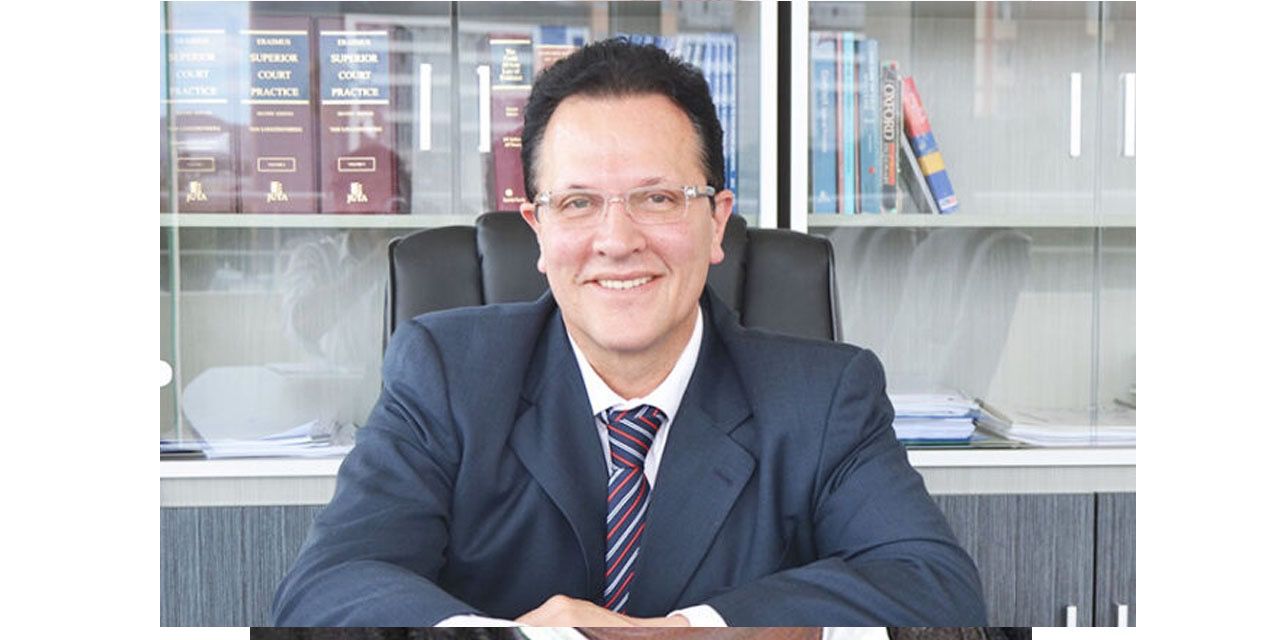
Public Service Commission chairperson Salmaan Jacobs says all Namibians are constitutionally entitled to seek employment in any part of the country, provided they meet the job requirements.
“As a country, the Constitution is very clear. It talks about a unitary state, and all people can move wherever they want.
They can seek employment wherever their qualifications are tested and found suitable,” says Jacobs.
Jacobs was responding to a directive issued last week by the Hardap Regional Council’s chairperson, Gershon Dausab, instructing government offices and agencies in the region to prioritise local residents for employment.
“The ongoing disregard for this resolution has contributed to persistent unemployment and deepening poverty among our local population, while job opportunities are extended to non-residents,” Dausab says in the directive.
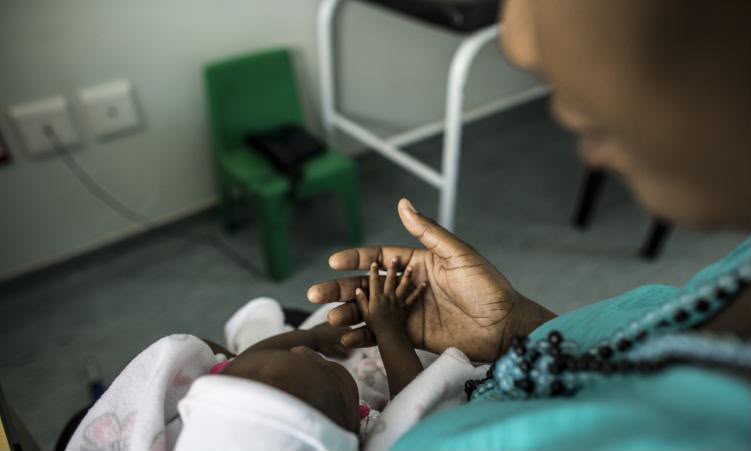
Dausab’s directive came in light of the shortlisting and interview process of nurses that was cancelled by the Ministry of Health and Social Services last week at Mariental due to alleged tribalism, to allow for investigations.
Jacobs told The Namibian on Friday that such regional directives contradict the Namibian Constitution and existing labour laws.
He added that employment in the public sector is based solely on merit and not on regional origin.
“That is a clear directive from the Constitution and from the relevant laws, we cannot take that away,” he said.
Jacobs also acknowledged ongoing legal inconsistencies in the public service regulatory framework, particularly between the Public Service Act of 1995 and the Public Service Commission Act of 1980.
He said these contradictions have caused confusion over the role of regional councils in hiring processes.
“The 1980 act still gives powers to regional councils to make appointments, but we have since regularised everything related to employment in the public sector,” Jacobs said.
He added that a process to repeal and harmonise the two laws are at an advanced stage and will soon be tabled in the National Assembly, following national consultations.
“When we reach that stage, some of these issues will become non-issues, because everybody will have to abide by the amended act,” he said.
Dausab, who is from the Landless People’s Movement (LPM), in the directive argues that the employment of individuals from outside the region contradicts a standing council resolution, especially when qualified local candidates are available.
Contacted for comment yesterday, Dauseb defended the directive, saying it is not tribal.
“If the Hardap region has decided that they are going to elect people into power, whatever is coming to the Hardap region must first have preference for these inhabitants, which I call Hardapians,” he said.
He said when he says residents, he does not mean Nama, Coloured and Damara speaking people, but all the people who reside in the Hardap region, irrespective of their tribes.
“If a person came to the Hardap region 10 months ago, that person became a resident of the region because they have a full address and residential address in the Hardap region.
That has nothing to do with regionalism,” he said.
LPM spokesperson Lifalaza Simataa says the directive is not an official LPM policy but the party supports it to ensure there is no migration between regions.
“What always happens is that you have people moving out of smaller towns to go to big towns such as such Windhoek, Swakopmund and Lüderitz for better opportunities.
So, talent is removed from their towns and people cannot work a function within their towns.
When that occurs, the town cannot grow or develop because they don’t have people,” he says.
The region’s unemployment rate stood at 32.1% in 2023, according to a Namibia Statistics Agency labour force study.
Last Wednesday, a group of angry community members and unemployed nurses gathered outside the Ministry of Health and Social Services’ regional office, claiming the recruitment procedures were unfair and that local candidates were being sidelined in favour of applicants from outside the region.
This is not the first time a community has demonstrated against the recruitment of Namibians from other regions.
In August, residents of Berseba in the ||Kharas region protested the appointment of a handyman for the Berseba Village Council, saying they were overlooked in the recruitment process.
They demanded that the appointment be revoked and re-advertised.
Former Hardap education regional director Gerhard Ndafenongo was in 2022 given a letter in which Hardap Regional Council chairperson Dausab instructed him to vacate his office at the council and report instead to Sanet Steenkamp in Windhoek, who was at the time the executive director of education, arts and culture.
“I have been in meetings where I was told they don’t want me or Oshiwambo-speaking people in positions at the regional council,” says Ndafenongo.
Hardap governor Riaan McNab last week in a statement said the recruitment of nurses for the region’s health directorate have been suspended amid allegations of tribalism.
National Union of Namibian Workers (NUNW) secretary general Job Muniaro yesterday told The Namibian that the directive by the Hardap Regional Council to prioritise residents for employment is “tribal, irresponsible and dangerous”.
Muniaro said the move risks dividing the country and could lead to serious consequences.
“It’s highly tribal and irresponsible.
On behalf of NUNW, I condemn it with the contempt it deserves. Are we now saying people from Hardap who are employed in other regions must actually resign and go to Hardap? I think this is not something we were supposed to call for,” he added.
He said it is important to maintain diversity across all regions, warning against turning any region into an ethnically homogenous zone.
Muniaro cautioned that such policies, if left unchecked, could spread to other regions and trigger widespread instability.
“We are going somewhere dangerous with tribalism. I am very disappointed to hear this from a leader. It’s instigating tribalism and can bring civil wars and unrest in the country.
I cannot understand this,” he said.
He called for the immediate withdrawal of the directive, saying it has no place in a constitutional democracy like Namibia.
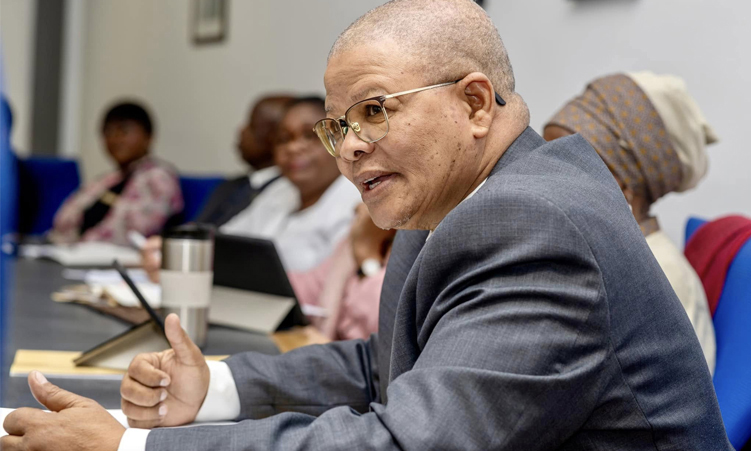
Labour expert Herbert Jauch questions the practicality and fairness of the Hardap Regional Council’s directive.
Jauch says the definition of a ‘resident’ is unclear and could lead to discrimination during implementation.
“A resident in Hardap, for example, might not necessarily come from that region but could have moved in from somewhere else,” he says.
He warns that enforcing a policy prioritising locals could create ethnic or linguistic biases.
“For example, you need to be a Nama speaker to be considered local, then it could become discriminatory, and this is the tricky part to manoeuvre,” Jauch says.
“On one hand, it’s understandable that if there are jobs in the Hardap region, a portion of those must certainly go to people residing there.
But it must not become a form of discrimination to say it only goes to people who belong to a certain ethnic or language group,” he says.
Affirmative Repositioning leader Job Amupanda in a statement on Friday said these statements appear to be tribalistic and regionalistic, which should be condemned in the strongest possible terms.