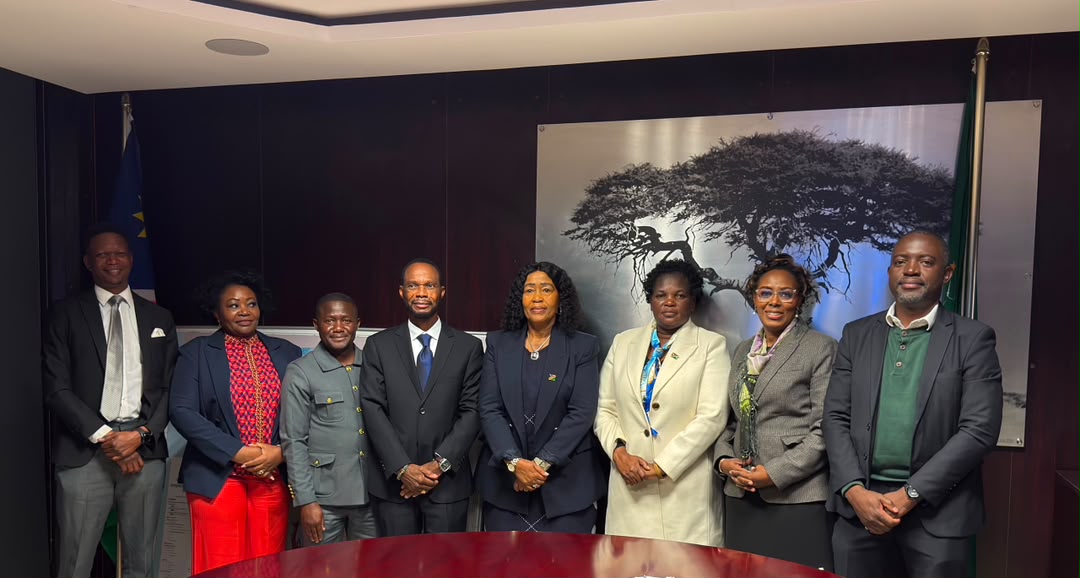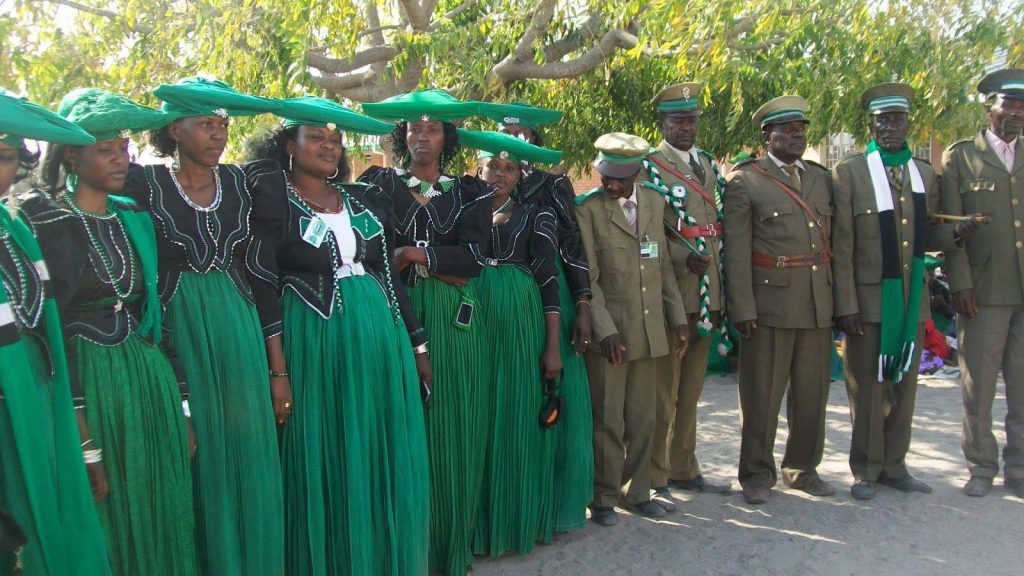








COLLABORATIVE efforts by two alumni of the Mandela Washington Fellowship (MWF) are driving sustainability initiatives for the benefit of the Okatyali constituency in the Oshana region.
The two are Ester Hango and Hilde Amushembe.
On 28 July, Hango and Amushembe secured the 10th Leveraging Innovation in New Communities (LINC) grant as part of the fellowship, specifically granted to MWF alumni who have come up with progressive and impactful projects in their countries.
The two decided to use the grant to construct five environmentally friendly toilets, known as Otji-Toilets and VIP Eco-Toilets, at the Okatyali Biodiversity Campsite and Multi-Service Centre.
This was after they secured the MWF’s LINC grant for sustainable growth in 2023, which they used in hosting the Leadership and Climate Change Youth Camp – held at the campsite in July last year.
The event empowered 40 young people with knowledge and skills in sustainable agriculture, climate change, renewable energy and digital solutions.
The two established the campsite and centre to become a hub for education on sustainable agriculture, climate change, renewable energy and sustainable solutions.
Hango say the reason for constructing environmental-friendly toilets is to align with the Oshana region’s environmental challenges, particularly the scarcity of water, as well as to improve sanitation.
“These toilets are designed to be water-efficient and sustainable, relying on a closed system that recycles nutrients for agricultural use,” she says.
Hango says the VIP Eco-Toilets were constructed to conserve water by diverting grey water to an ornamental garden, adding that the difference between the two toilets is that the VIP Eco-Toilets flush normally with a grey water recycling system, while the Otji-Toilets do not have a flushing system.
She says the VIP Eco-Toilets will mainly be used when they are hosting guests, but the Otji-Toilets will be used on a regular basis.
“The campsite will be visited by tourists while the centre will be hosting events and therefore, we need to have toilet facilities on site,” Hango says.
While the project is facing some challenges – such as a shortage of materials – the successful implementation of the eco-toilets is a testament to the commitment of Hango and Amushembe to chart the course of sustainable development at Okatyali.
Amushembe says the design of these toilets will not only improve sanitation in the area but also serve as an educational tool for future programmes on environmental sustainability.
“This initiative helps conserve water resources while enhancing the beauty of the campsite’s surrounding area,” says Amushembe.