






THE Pan-African Parliament on 15 March launched new guidelines in South Africa aimed at eliminating harmful practices associated with witchcraft accusations and ritual attacks.
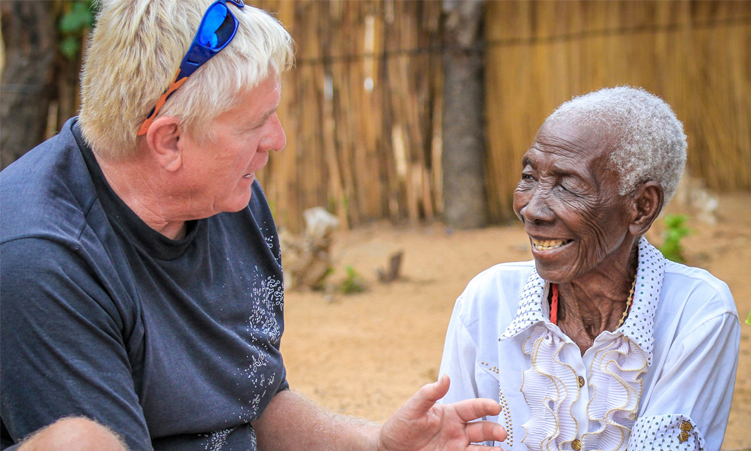
Berrie Holtzhausen of Alzheimer Dementia Namibia (ADN) emphasised the significance of the new guidelines in addressing this “deeply rooted” issue.
“The parliamentary guidelines provide a much-needed framework for governments, the judiciary, law-enforcement agencies, and communities to work together in putting an end to these harmful practices,” he said.
“This collaborative approach is crucial for ensuring the safety and well-being of those targeted by these accusations.”
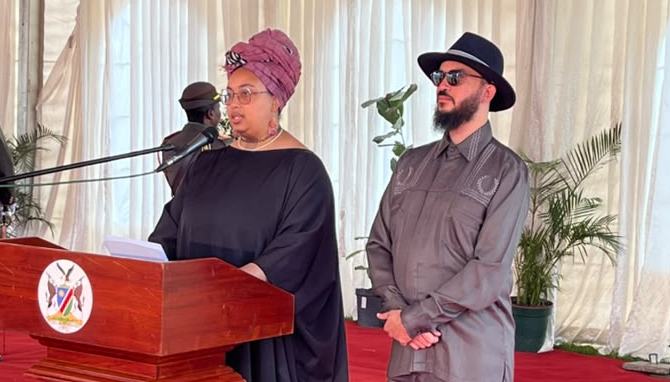
Muluka-Anne Miti-Drummond, the United Nations’ independent expert on the enjoyment of human rights by persons with albinism, in a speech at the event stressed the importance of a holistic approach to eradicating these practices.
“We must address the root causes of these harmful beliefs, which often stem from ignorance, fear and misinformation,” she said.
“Education, awareness campaigns, and community engagement are crucial in promoting a culture of tolerance and understanding.”
The guidelines present a comprehensive strategy to address the issue, encompassing legal reforms, public awareness campaigns, and the provision of support services for victims.
Holtzhausen believes Namibia can now become better equipped to tackle these challenges head on, and ensure that the human rights of all citizens, especially children, women and the elderly are protected.
As the new guidelines are starting to be implemented across the continent, Miti-Drummond, who likened the issue to South Africa’s apartheid era, said she hoped the devastating effects of witchcraft accusations and ritual attacks would be significantly reduced, allowing countless individuals to live free from fear and discrimination.
Holtzhausen said he shared the guidelines with Namibian authorities, and the “focus should be on creating and implementing specific laws that address these harmful practices and protect the rights of the affected individuals”.
He stressed the importance of educating the public on the dangers of harmful practices related to witchcraft, emphasising the importance of human rights, and distinguishing between cultural beliefs and actions that harm others.
To integrate the guidelines into existing legal frameworks, Holtzhausen said “members of parliament and ministers must be made aware of how these guidelines relate to the human rights of various groups” and that “clear and specific laws must be implemented”.
Challenges may arise due to deeply ingrained beliefs in witchcraft but Holtzhausen said “clear laws and raising awareness can help address these issues”.