





Five years from now, the world will probably have language for all this.
There will be diagnoses and therapies, language and remedies to address the deep sense of denial, the grinding sense of guilt and somewhat out-of-body feeling of having lived, survived and even thrived during the pandemic.
On some merciful mornings, I’ll admit that I forget. I’ll wake up, wiggle my toes and start dreaming about the day as if it’s 2019.
And for a few precious seconds, it’ll be like the last two years didn’t happen.
Fleetingly and deliciously possessed by some kind of ghost of Christmas past, I’ll be the person with all the hopes and dreams I had almost three years ago and somehow, somewhere the people I know who have died from this disease will be alive, well and ripe for running into on the street.
It’s a delusion that doesn’t last long but it’s one that shakes me to the core.
It’s also the first stage of grief.
In a book titled ‘On Death and Dying’ (1969), Swiss-American psychiatrist Elisabeth Kübler-Ross suggests that we go through five stages of grief.
First there is denial, next anger, then there’s bargaining, depression and finally acceptance.
The World Health Organisation says that between 1 January 2020 and 31 December 2021 there were approximately 14,9 million excess deaths associated directly or indirectly with the Covid-19 pandemic.
To imagine such staggering loss of life, it is as though every last person in Namibia died five times over.
It is unthinkable, maybe even unbearable, and so I understand the denial. To fully consider Covid-19 means to stare our own mortality in the face. To accept that the great and glorious human race can suddenly be felled and have our lives upended by a microscopic virus which precious few of us saw coming is terrifying.
The need to deny that this is in fact happening and ongoing is some of the reason we have Covid-19 conspiracy theories and deniers. It is why when someone dies, we are so quick to inquire about their lifestyle, comorbidities and so-called fatal errors and miscalculations in a bid to exclude ourselves from the legion of people who have not survived this disease.
Whether we realise it or not, collectively we are in an extended state of grief.
There are the people directly connected to the 14.9 million people who have lost their lives to this who may be more traditionally amidst Kübler-Ross’ five stages of grief and there are also the people who feel they have lost themselves over the last two years.
Those who suffer with long Covid who can no longer engage in the activities and life they once knew. People who have lost loved ones, livelihoods and prospects and those who have been confined to their homes because they are vulnerable or high risk in a world largely pretending that this is over.
Denial.
It can be as harmless as a sweet, forgetting dream in the early morning or as potentially devastating as dropping mask mandates five minutes before a winter wave even as, predictably, cases begin to soar.
In the years since Kübler-Ross published her study, it has been acknowledged that grieving may not include all five stages and that the order of grief can be unique.
Anger may come before denial, bargaining may follow depression.
Though practical global acceptance and the fundamental changes that this will require may still be far off, the anger, depression, bargaining and denial of this time of grief are clear to see.
It is okay to be angry about what has been lost, what was and is preventable and about who has access to new Covid-19 therapies, medicines and treatments. It is fine to feel depressed about how spectacularly your life has been derailed.
Bargaining with God to save yourself and your loved ones or to restore your quality of life, health or wealth is natural and sometimes a little denial is all that stands between you and a breakdown.
Kübler-Ross’ five stages of grief aren’t perfect or a direct road map to acceptance but they do legitimise some of what many of us may be feeling.
The Covid-19 pandemic is a global and collective moment of grief.
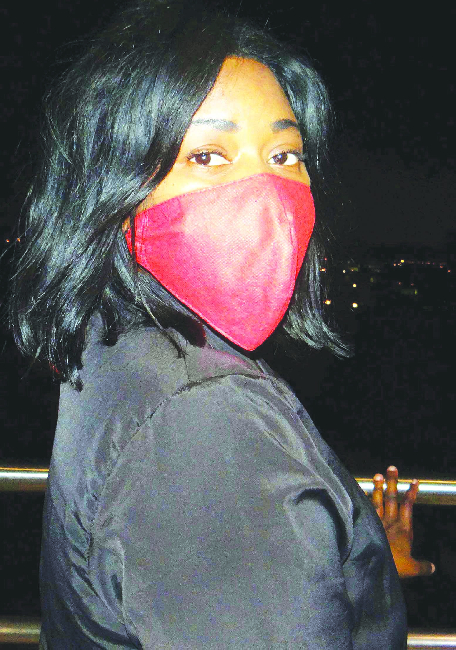
And as cases surge and winter comes, I believe one way of alleviating some of the fear and pain of this time is to do what we now know we must. Mask up, vaccinate, keep a little distance.
– martha@namibian.com.na ;
Martha Mukaiwa on Twitter
and Instagram;

