






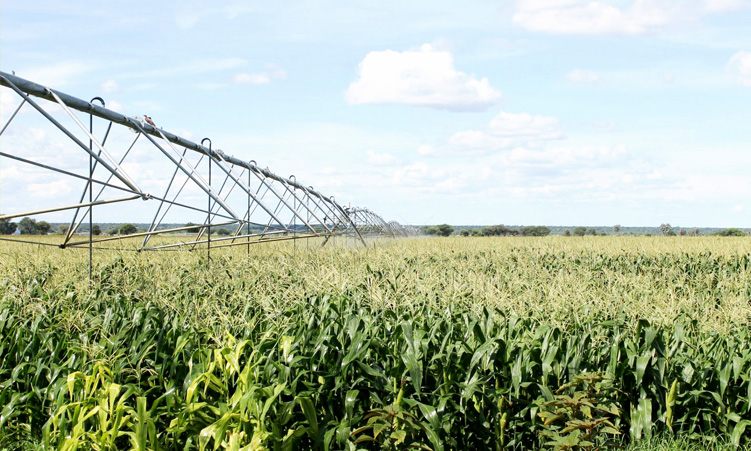
The Ministry of Agriculture, Fisheries, Water and Land Reform says ageing infrastructure, outdated equipment and limited funding continue to hamper green schemes.
Ministry spokesperson Simon Nghipandulwa says these challenges are attended to by exploring strategic partnerships with private investors and development agencies to ensure long-term commercial sustainability.
“The ministry’s overarching goal is to transform Namibia’s green schemes into fully functional, self-sustaining commercial farming enterprises that support food security, employment creation and value addition,” he says.
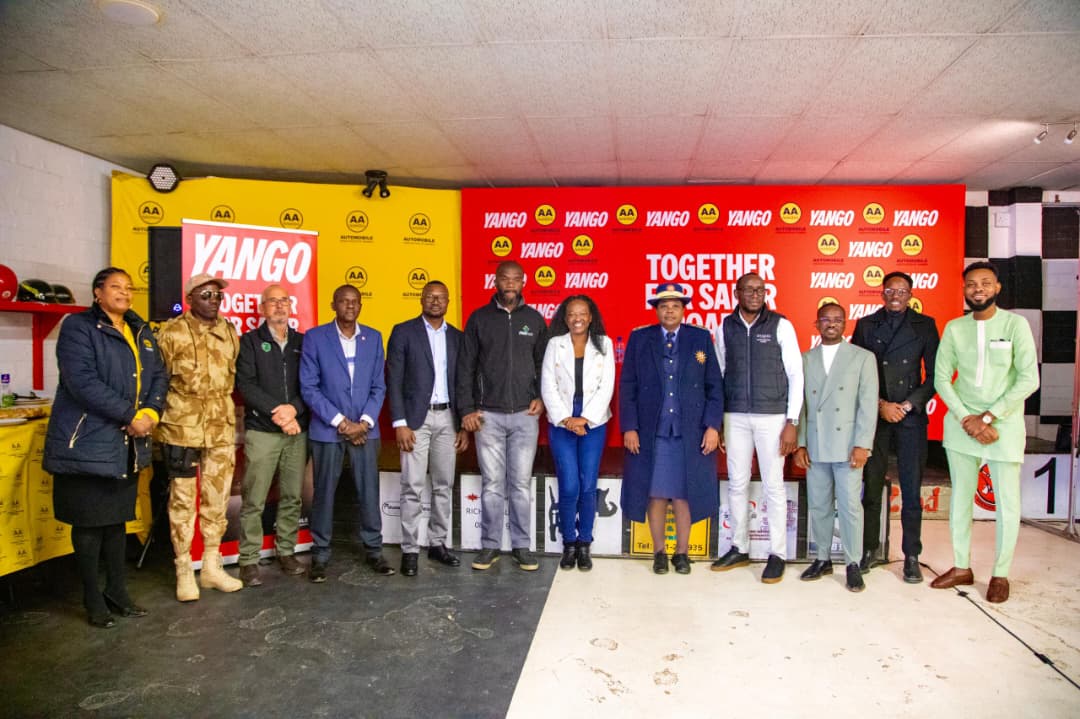
Executive director of agriculture, fisheries, water and land reform Ndiyakupi Nghituwamata last Friday at the official launch of the second phase of the Support Towards the Operationalisation of the Southern African Development Community Regional Agricultural Policy (Stosar II) project in Windhoek said Namibia is aware of both challenges and immense opportunities within its agricultural landscape.
Nghituwamata, in a speech read on her behalf by deputy executive director of land management Alfred Sikopo, said the country is blessed with vast natural resources and a resilient farming community, yet it is also vulnerable to the devastating impacts of climate change, persistent droughts and the pressing need to enhance food and nutritional security.
“This reality is not unique to Namibia, but is a regional challenge that necessitated the development of the Stosar II project as a collective framework for transforming agriculture in southern Africa into a competitive market and sustainable sector,” Nghituwamata said.
She said during phase one of the project, Namibia’s agricultural information management systems were equipped with desktop computers to improve data access and use, enhance diagnostic capacity with laboratory equipment for the Central Veterinary Laboratory, and build enhanced skills through targeted training.
Phase two of the project will run from 2025 to 2028 and has been funded by the European Union to the tune of 10 million euros.
The total project cost for Namibia is approximately N$3.5 million for a period of four years, and these funds are already available for implementation, according to Nghituwamata.
Food and Agriculture Organisation representative in Namibia Patrice Talla said regionally, the second phase of the project will focus on four priority areas: strengthening agricultural information systems, improving market access, enhancing food and nutrition security monitoring and promoting inclusive value chains.
Talla said these focus areas align closely with Namibia’s priorities under the Southern African Development Community’s (SADC) Vision 2030 and the Namibia National Development agenda, which emphasise sustainable land management, agro-processing, market development and resilience for small-holder farmers.
Talla said agriculture remains the backbone of SADC’s economic growth, food security and trade.
“Here in Namibia, it is not only a source of food, but also a key driver for employment, rural development and resilience, sustaining households and stabilizing the economy,” he said.
Stosar Phase I ran from 2018 to 2024, and was funded by Europen Union to the tune of 9 million euros.