



The Ministry of Works and Transport is steadily cataloging Namibia’s immovable and movable assets, with the asset register already value at over N$47 billion.
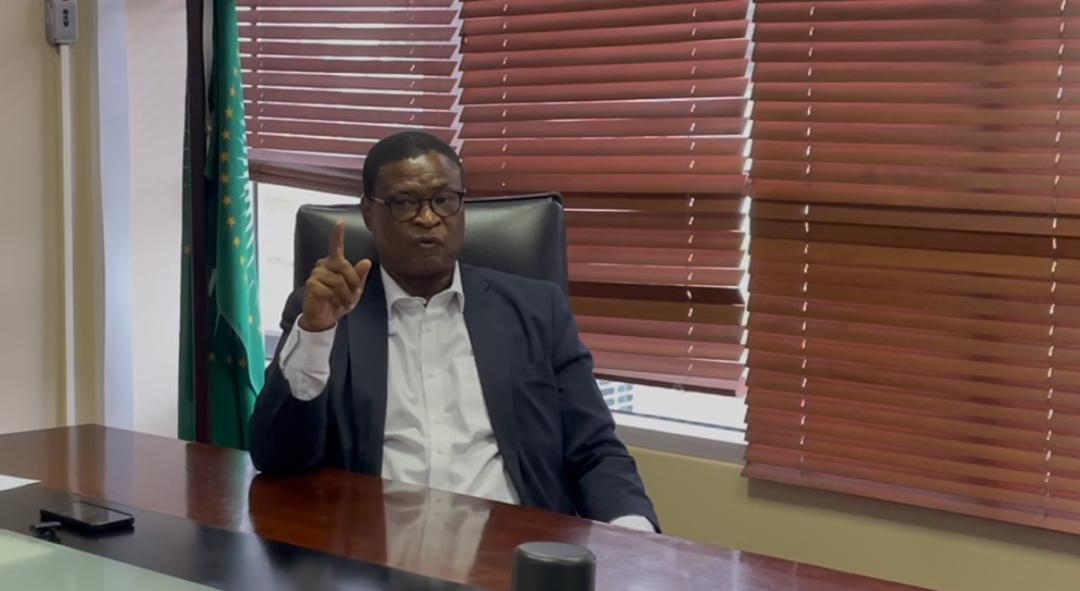
Works and transport minister Veikko Nekundi confirmed this to Desert FM on Monday.
He explained that more than 8 200 immovable assets, including schools, clinics, offices, and railway infrastructure have been recorded.
However, the overall value fluctuates when new assets are built and upgrades are carried out, Nekundi said.
“It is not a static value. Every time we construct a school, expand a clinic, or rehabilitate a railway line, those assets acquire a new value.”
Nekundi acknowledged persistent challenges, saying some regional councils, ministries, and state-owned enterprises (SOEs) have been slow in submitting information, delaying verification processes.
“We are still struggling to receive data from SOEs, and verification of each asset, its exact location, coordinates, and condition, remains ongoing,” he said.
The ministry aims to finalise a comprehensive register by the end of the current financial year, Nekundi said.
Concerns have also been raised about disparities in government housing across regions, particularly the Kavango West and Omaheke regions, compared to the Khomas and ||Kharas regions.
Nekundi noted that housing provision historically depended on staffing needs in each ministry and region, leading to uneven distribution.
He addressed the controversial policy allowing spouses or children of civil servants to purchase state houses on their behalf.
“Not every public servant can afford to buy at market rates. This measure ensures families are not left homeless, especially lower-earning workers such as cleaners and constables,” Nekundi said, adding that the decision was rooted in government’s intent to assist vulnerable employees.
On concerns of “double-dipping” civil servants benefiting from housing subsidies while living in state-owned houses, Nekundi said no such cases have reached his office since he assumed the portfolio in March.
Once completed, the register will serve as a central tool for financial planning and accountability, though some sensitive or classified assets will not be publicly disclosed, the minister said.
He stressed that continuous improvement remains the ministry’s guiding principle.
“By year-end, we should have a register that is up to date and maximally reflective of our national wealth.”
In an age of information overload, Sunrise is The Namibian’s morning briefing, delivered at 6h00 from Monday to Friday. It offers a curated rundown of the most important stories from the past 24 hours – occasionally with a light, witty touch. It’s an essential way to stay informed. Subscribe and join our newsletter community.

The Namibian uses AI tools to assist with improved quality, accuracy and efficiency, while maintaining editorial oversight and journalistic integrity.
Stay informed with The Namibian – your source for credible journalism. Get in-depth reporting and opinions for
only N$85 a month. Invest in journalism, invest in democracy –
Subscribe Now!