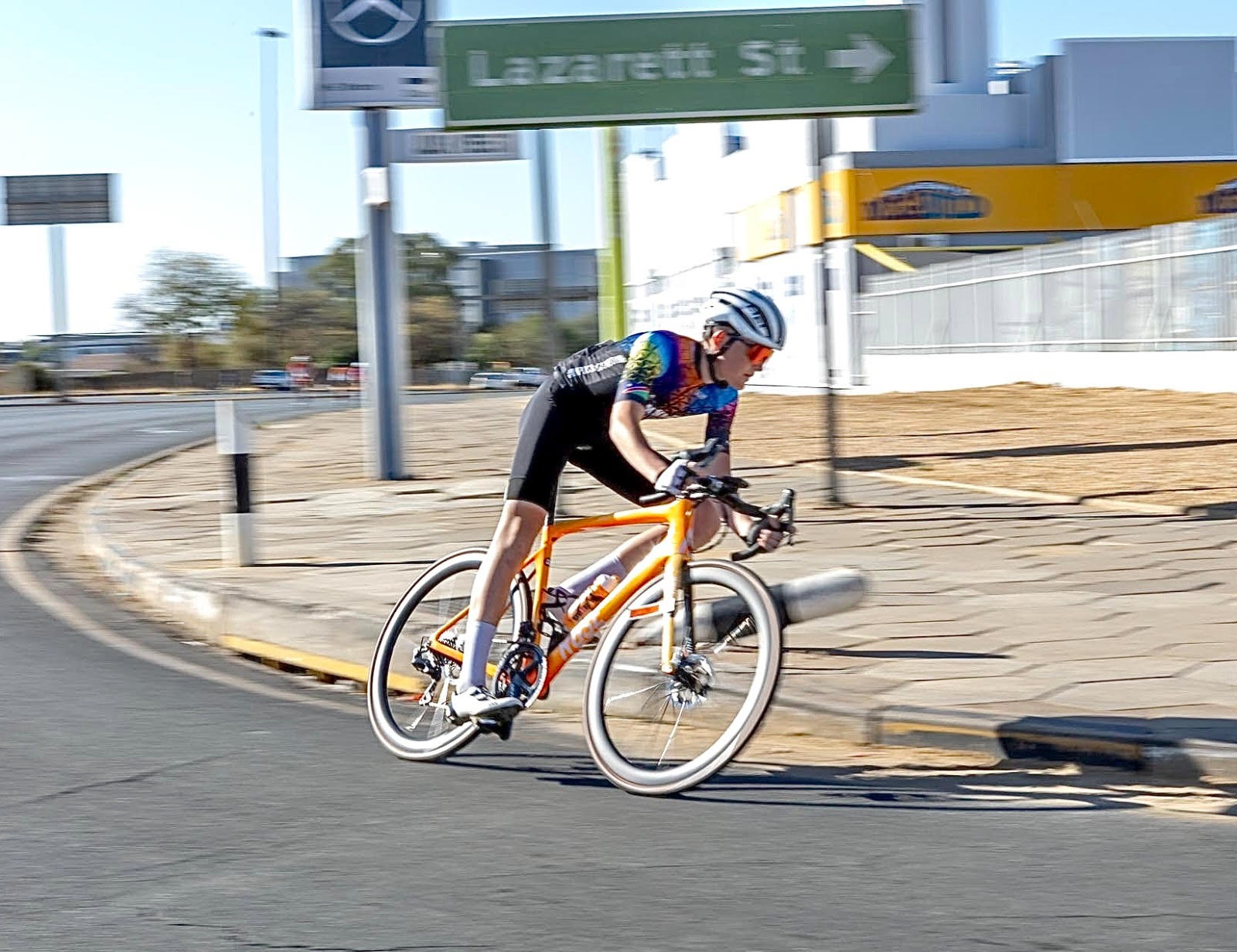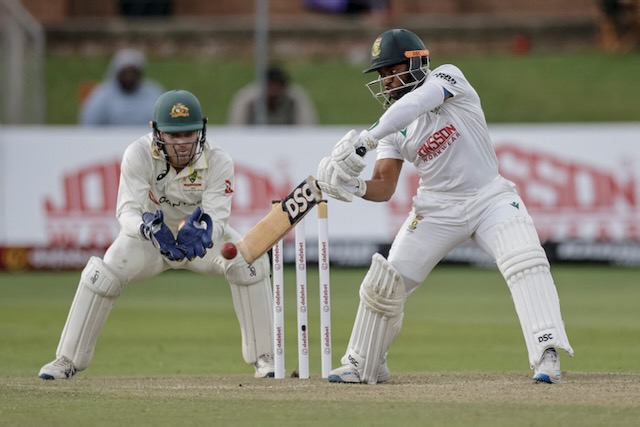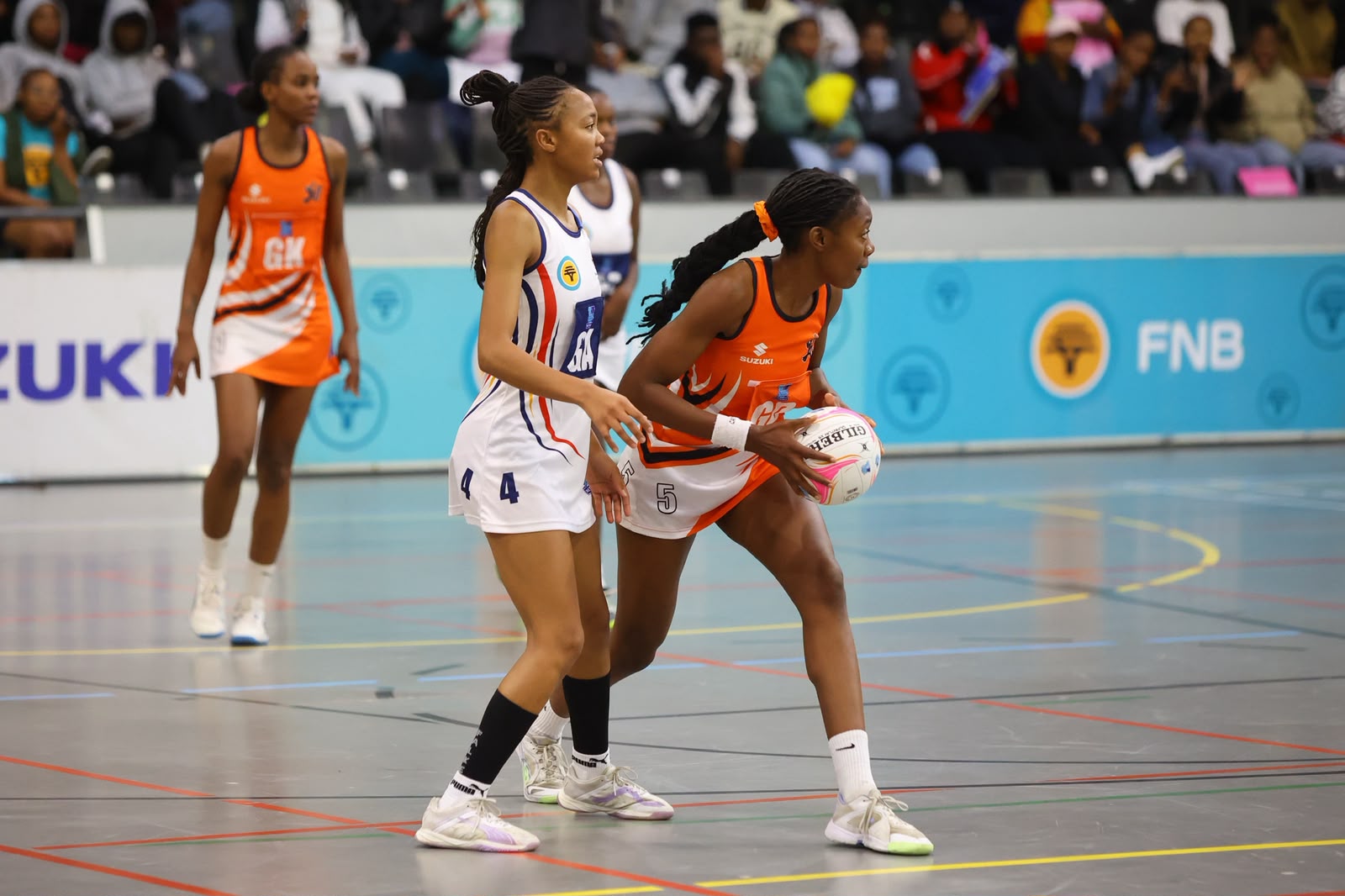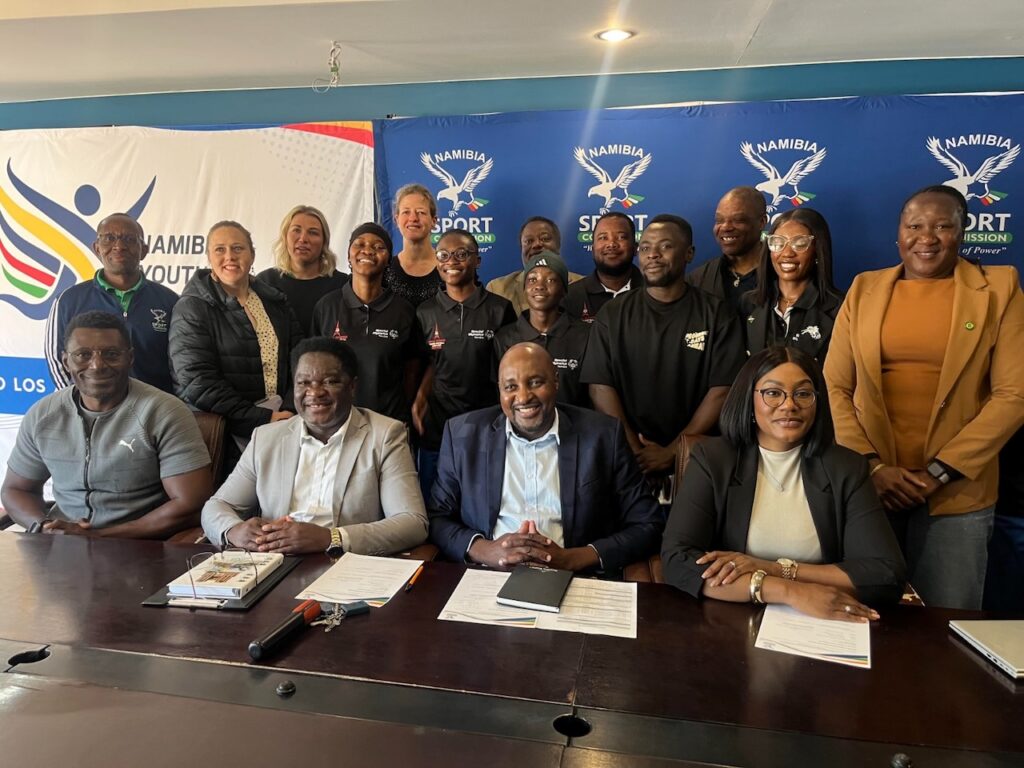
The government has rewarded athletes and coaches with N$774 000 for medal-winning performances during the first quarter of 2026.
The government reaffirmed its commitment to recognising sporting excellence through a transparent, merit-based rewards system.
The rewards, presented by the Namibia Sports Commission in Windhoek yesterday, benefited athletes and coaches from athletics, wrestling, full contact, inline hockey and Special Olympics Namibia in line with the Cabinet-approved national sport rewards policy of 2018.
Speaking at the handing-over ceremony recently, Namibia Sports Commission (NSC) chief administrator Freddy Mwiya said the policy was introduced to eliminate inconsistencies that existed before 2018, when financial rewards were often determined on an ad hoc basis.
“From 1990 we had no reward policy, so it was a decision based on a person what must be given to a team when they performed, which was not fair,” he said.
“The reward policy was approved by the Cabinet in April 2018 after extensive consultations to ensure justice prevails across all sport federations.”
Mwiya said rewards are not based solely on winning medals, but on meeting clearly defined criteria under the policy.
“Before athletes travel, they are informed whether the competition qualifies. You cannot simply come back with a medal and expect a reward. The event must first meet the requirements outlined in the policy.”
He said the value of awards depends on the level of competition and the number of participating countries, particularly at continental championships.
For the first quarter, the commission distributed N$250 000 to Special Olympics Namibia and N$220 000 to Namibia Inline Hockey, while individual athletes received varying amounts depending on whether they won gold, silver or bronze medals at qualifying competitions.
Mwiya said all payments had already been transferred to the respective sport federations before the ceremony.
“The money is already in the federation accounts,” he said. “We don’t just make promises, we deliver.”
He encouraged recipients to invest their prize money wisely rather than spending it frivolously.
“When you receive these rewards, do something tangible that changes your life,” he urged.
Mwiya said Namibia remains among only a handful of southern African countries with a structured national rewards policy.
“Currently it is only Namibia, Botswana and South Africa that reward athletes through such a policy. Countries like Zambia, Malawi, Lesotho, Eswatini and Mozambique have approached us because they want to implement similar systems.”
The ceremony also served as motivation for Team Namibia which is competing at the Commonwealth Games.
Mwiya announced that Commonwealth Games medal winners would receive N$80 000 for a gold medal, N$60 000 for silver, and N$40 000 for bronze, while their coaches would receive N$35 000, N$25 000 and N$15 000, respectively.
“We want our Commonwealth Games team to know the government acts quickly. If they win medals, they will be rewarded promptly, just like today’s recipients.”
Acting director of sport in the Ministry of Education, Innovation, Youth, Sport, Arts and Culture Hendrik Mapele said the reward programme demonstrates the government’s commitment to athlete welfare and the professionalisation of sport.
“It is the responsibility of the government to make sure that our athletes and coaches are looked after and rewarded when they excel, because it takes time, sacrifice and dedication to prepare for competition,” he said.
EVOLUTION
Mapele said sport has evolved beyond recreation into an industry capable of creating employment and addressing social challenges.
“Gone are the days when sport was treated merely as something families did for fun. Today, sport is an industry that creates employment for our youth and keeps them away from social ills.”
He said the government would continue investing in quality sporting infrastructure while working with the NSC to ensure athletes remain motivated to represent the country.
“As a government, we must put our money where our mouth is by encouraging athletes and coaches, because if we want them to continue winning medals, we must support them.”
Earlier, NSC manager for finance and administration Christophina Hangalo assured stakeholders that the rewards process is governed by strict verification procedures to ensure fairness and accountability.
“The NSC remains committed to ensuring the award process is fair, transparent, accountable and aligned with the national sport rewards policy of 2018,” she said.
Hangalo said every competition is verified before any reward is approved to confirm that it was officially sanctioned, recognised by the relevant international governing body, and approved for the awarding of national colours.
She said federations are also required to submit official competition results, proof of participation, endorsements and other supporting documents before payments are processed.
“The verification process ensures every reward is based on merit and complies fully with the national policy,” she said.
Hangalo also thanked parents, coaches, federations and government for their continued support of Namibian athletes.
“Behind every successful athlete is a strong support system, and your contribution is vital to the development of sport in Namibia.”