



The government has concluded consultations on the employment redress programme in the fisheries sector, aimed at addressing long-standing employment challenges resulting from industrial disruptions dating back to 2015.
Approximately 280 of the remaining fishermen, some of whom have been demonstrating since last year, are set to return to work following the signing of new agreements with seven companies that will absorb them.
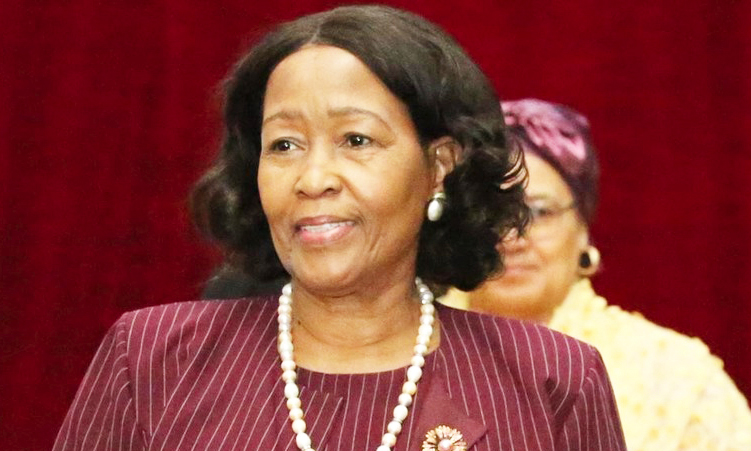
Speaking at the closing of the consultations on Friday evening, minister of agriculture, fisheries, water and land reform Inge Zaamwani
confirmed that to date 2 414 individuals have been employed through the programme since its inception, with 1 770 in the hake sub-sector and 471 in horse mackerel operations.
The initiative stemmed from a 2020 Cabinet directive mandating the then Ministries of Fisheries and Marine Resources, and Labour Relations and Employment Creation, to develop strategies to reintegrate former Namsov employees and others affected by past strikes.
Zaamwani expressed concern over certain practices undermining stability, including companies luring workers from others with promises of higher salaries, and some workers being paid while idle at home.
“This was not the intention,” she said, urging employers to provide meaningful employment. She stressed the need for consistent monitoring and compliance with the designation agreements.
Other issues highlighted include the poaching of employees, and the involvement of third-party payroll arrangements, which the new agreement seeks to address.
The minister urged strict compliance with the designation agreement and encouraged ongoing monitoring by technical teams to ensure all designated companies meet their obligations.
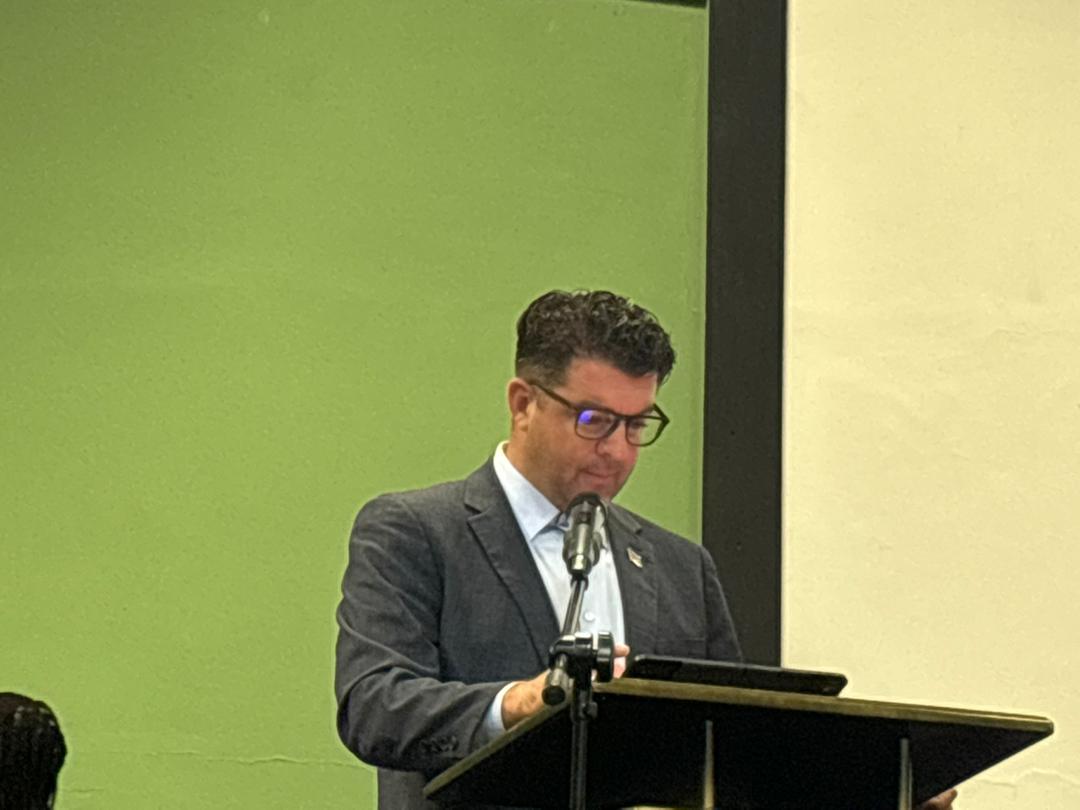
Justice and labour relations minister Wise Immanuel stressed the need for social dialogue, which he described as the cornerstone of sustainable industrial relations.
“We have met with all the employees’ potential employers, clarified expectations, and finalised the designation agreements that outline the roles of all parties,” said Immanuel.
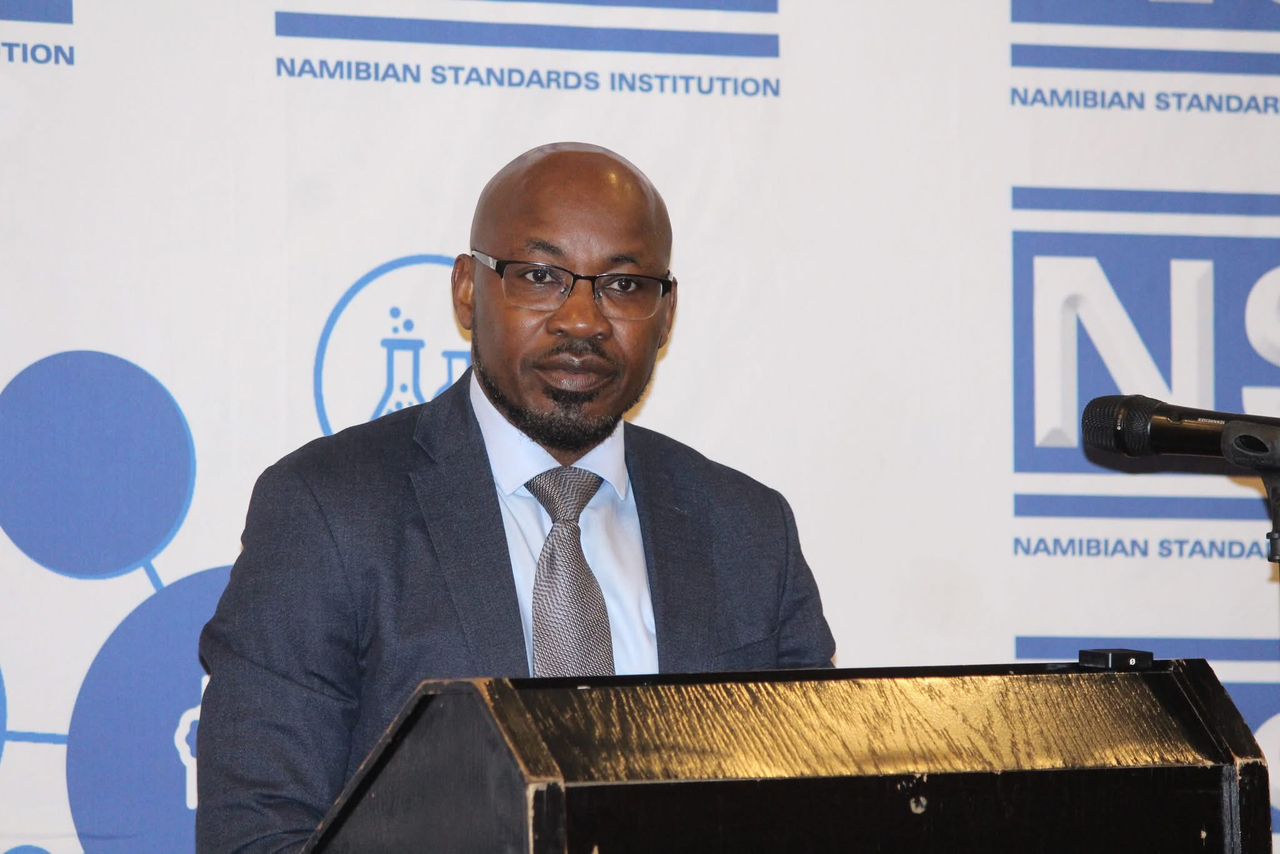
Union representative, general secretary of the Metal, Mining, Maritime and Construction Union, Joseph Garoeb, welcomed the development but emphasised that this is only the beginning.
“We must ensure that Namibia’s natural resources benefit the nation and that workers are granted decent salaries to contribute meaningfully to the economy,” he urged.
– IB/HP
In an age of information overload, Sunrise is The Namibian’s morning briefing, delivered at 6h00 from Monday to Friday. It offers a curated rundown of the most important stories from the past 24 hours – occasionally with a light, witty touch. It’s an essential way to stay informed. Subscribe and join our newsletter community.

The Namibian uses AI tools to assist with improved quality, accuracy and efficiency, while maintaining editorial oversight and journalistic integrity.
Stay informed with The Namibian – your source for credible journalism. Get in-depth reporting and opinions for
only N$85 a month. Invest in journalism, invest in democracy –
Subscribe Now!