







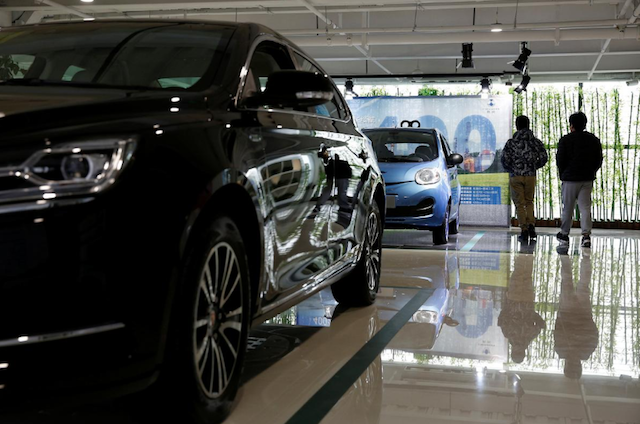
CAR dealers are banking on promotional incentives, cheap fuel, low inflation and bottoming interest rates to stimulate new vehicle sales in the coming months.
Demand is low, and according to Simonis Storm Securities (SSS) analysts, customers are supposed to be buying more cars especially in an environment where many incentives exist.
The motor vehicle market has not been performing well for a while.
In September last year, new car sales figures hit an all-time low at 806 units – then the lowest in the past 10 years.
With the dawning of Covid-19 and the lockdown, only 50 new cars were sold in Namibia in April.
Expectations are, demand might pick up, but not as much.
Namibia’s new car sales figure as released by the National Association of Automobile Manufacturers of South Africa show that 450 units were sold compared to the 50 in April.
Simonis Storm says the increase in sales could be attributed to the clearing backlog and the relaxation of some lockdown measures that dampened sales in April.
Currently, all indicators are showing that it is a good time to buy a car.
“Incentives, together with current low [pump] oil prices, low inflation and low interest rates should be enough to attract buyers,” the analysts say.
Despite such incentives being conducive to car sales, the report says this remains to be seen given an already depressed economic environment and the impact of Covid-19.
“The increase in new vehicle sales recorded in May compared to a month earlier could be explained by a backlog in April and supply chain disruptions,” read the analysis by Simonis.
The analysts say most of the backlog was confirmed by most dealers during a telephonic survey the research company conducted.
The survey indicated dealers are trying to attract potential buyers with current specials.
Dealers also mentioned local banks are supporting their initiative by providing payment holidays, however, on stricter terms.
At the end of March this year, Bank of Namibia quarterly data show commercial banks had N$29 million worth of vehicles and equipment repossessed.
According to the National Association of Automobile Manufacturers South Africa (Naamsa), Namibia’s new vehicle sales figures for May have increased by 849% month-on-month.
The big jump experienced in May is because of a low base in April, SSS says.
On an annual basis vehicle sales contracted by 55,5% – less severe than the contraction posted in April (96,4%).
Toyota registered the bulk of new vehicles sales with 173 units sold, contributing 36,8% to total sales in May.
Volkswagen registered 18,9% of total vehicle sales (89 units), followed by Ford with 45 units sold (9,6%).
The remaining vehicle manufacturers contributed less than 6% of total sales in May.
Within the different vehicle categories, light commercial vehicles and passenger vehicles contributed 95,7% to total vehicles sold in May, registering a month-on-month growth in sales of 482,3% and 2 333,3%, respectively.
However, on an annual basis these categories showed a decline of 51,1% and 57,2%, respectively.
The sale of one bus and five extra-heavy vehicles were registered in May, while zero sales were recorded in April.
Historical data since 2007 shows 2020 as the year with the lowest vehicle sales to date.
A possible contributing factor could also be president Hage Geingob’s announcement earlier this year that the government would not acquire new vehicles for members of the executive and public office-bearers in the next five years.
This would save the government at least N$200 million, chopping dealers’ potential sales along the way.
Email: bottomline@namibian.com.na