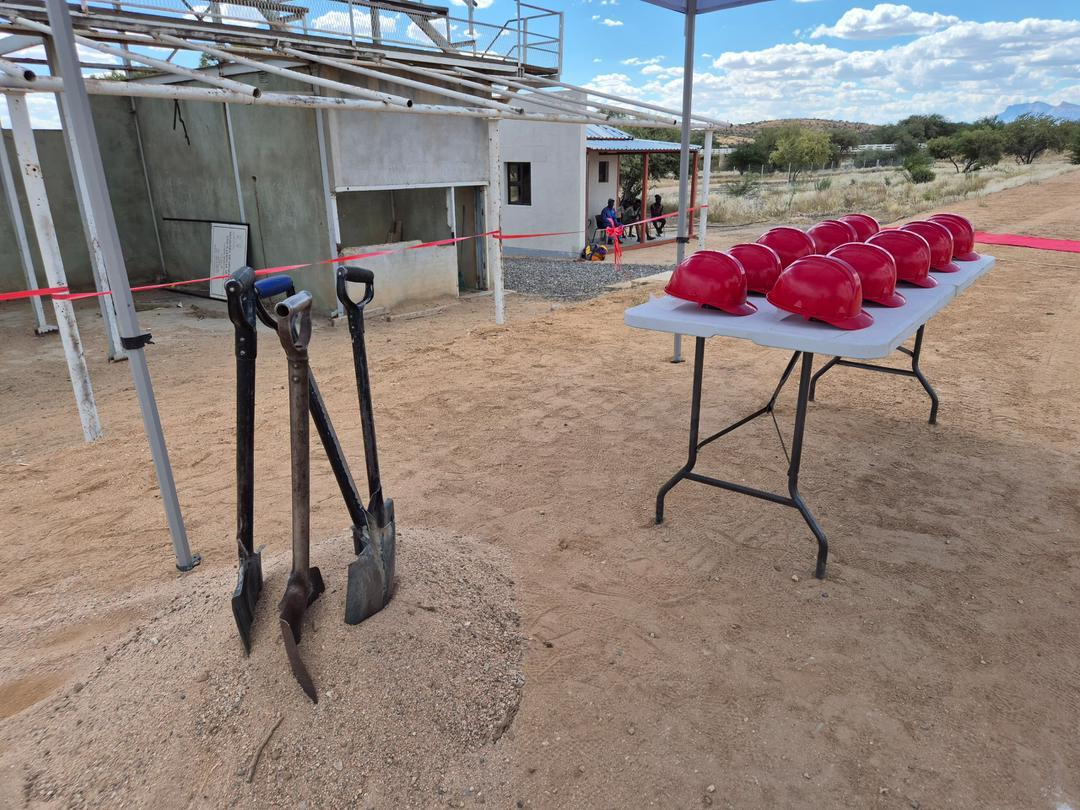




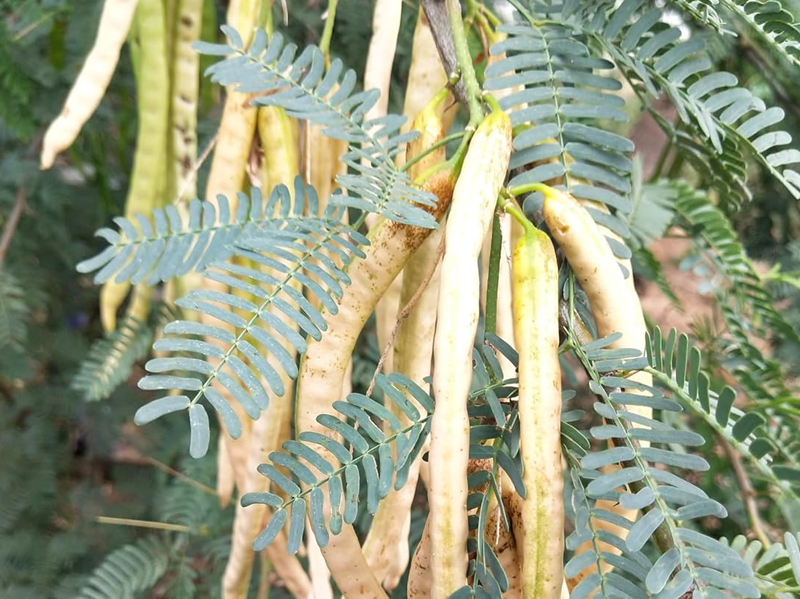
A Gibeon vocational training centre has proposed a new initiative to rid the area of the invasive prosopis trees.
Prosopis trees – also known as makarakasha trees – have been a problem in the area for a long time.
“Two to three years ago we removed them from the riverbed, but the seeds fell and now they’re growing like crazy,” former village council chairperson Sharon Bezuidenhout told The Namibian.
The tree itself can be useful as charcoal, furniture or even as feedstock, but they are water-thirsty and their roots grow towards wherever water is.
Bezuidenhout says the roots can damage sewer systems, which has led to a mosquito plague in the area.
The Johanna Jacobs Vocational Training Centre (JJVTC) at Gibeon is proposing a biodiversity and restoration programme to deal with the issue.
JJVTC director Richie Vries says the trees will be removed, after which new productive food systems can be introduced to the area.
“This initiative will transform Gibeon from an invaded, water-stressed landscape into a productive agricultural hub. By restoring the Fish River’s natural flow and creating diverse revenue streams, the project ensures long-term food security and economic resilience for the local community,” Vries says.
In the first phase, the stumps will be treated to prevent regrowth and the timber will be used for furniture, charcoal and animal fodder.
Vries then proposes introducing fish farming and irrigation, which will support planting ‘superfruit’ orchards. His proposal includes growing dates, grapes and marula trees.
“Since its introduction in 1897, the prosopis tree has transformed the landscape into a near-monoculture, displacing native flora and consuming an estimated 1.2 million cubic metres of water annually in the Gibeon area alone,” Vries says.
Vries yesterday put out a call on social media asking for Gibeon residents to contribute to the project.
He intends to apply for permission for the removal from the Ministry of Environment, Forestry and Tourism next week.
Ministry spokesperson Vilho Hangula says the ministry provides harvesting permits to private initiatives that harvest prosopis to produce firewood, furniture and other products.
“The ministry recognises prosopis trees as an alien invasive species, which need to be removed as they compete against native trees,” Hangula says.
Although the ministry is currently implementing a prosopis removal programme in some parts of southern Namibia, it does not have an active programme to address the issue in the Gibeon area.
In an age of information overload, Sunrise is The Namibian’s morning briefing, delivered at 6h00 from Monday to Friday. It offers a curated rundown of the most important stories from the past 24 hours – occasionally with a light, witty touch. It’s an essential way to stay informed. Subscribe and join our newsletter community.

The Namibian uses AI tools to assist with improved quality, accuracy and efficiency, while maintaining editorial oversight and journalistic integrity.
Stay informed with The Namibian – your source for credible journalism. Get in-depth reporting and opinions for
only N$85 a month. Invest in journalism, invest in democracy –
Subscribe Now!