



The German energy company RWE has withdrawn from an agreement to purchase ammonia from the Hyphen Hydrogen Energy project at Lüderitz.
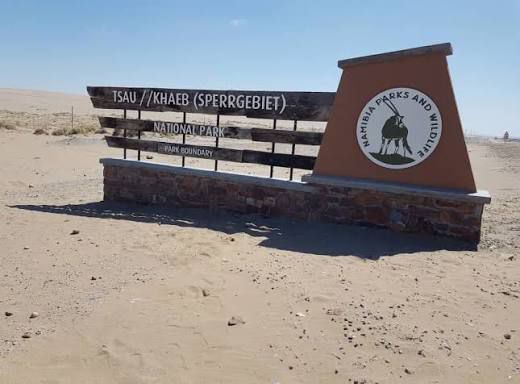
This withdrawal follows pressure from the Nama Traditional Leaders Association (NTLA) and various international partners, who argue that the project violated indigenous rights on ancestral Nama land within the Tsau||Khaeb National Park.
The NTLA works alongside its international partners, including the Society for Threatened Peoples (STP) and the European Centre for Constitutional and Human Rights (ECCHR).
In a statement on Thursday, the association and partners say the large-scale ammonia production project perpetuates colonial patterns of land dispossession and marginalisation, seeing that the area was historically designated as a restricted zone by German colonisers.
This withdrawal is seen as a major win for the Nama people who have resisted the project, arguing that it violates their rights on ancestral land.
“The government must no longer plan such projects over the heads of affected communities,” says Maboss Ortmann, the association’s project coordinator for genocide reparations.
He adds that international law requires Namibia to inform, consult and seek the consent of the indigenous people affected by any administrative or legal measure.
“This obligation includes the right to say no and must finally be respected,” he says.
STP advisor for genocide prevention and the responsibility to protect Laura Mahler says RWE’s withdrawal is an important signal that the rights of indigenous communities cannot be ignored.
ECCHR legal advisor Andrea Pietrafesa says economic development in Namibia cannot come at the expense of indigenous rights.
“This is a wake-up call. Any project in Great Namaqualand or on indigenous ancestral land must respect international human rights obligations.
The Nama people are demanding that the Namibian state guarantee the consultation process and free, prior and informed consent, in line with its international obligations under the international covenant on political and civil rights and the international covenant on economic, social and cultural rights.
The Hyphen project, a British-German joint venture that includes the German company Enertrag SE among its shareholders, intended to build large-scale ammonia production infrastructure across a vast 4 000 km² concession inside Tsau||Khaeb National Park.
This territory is identified as ancestral Nama land.
The NTLA highlights the historical significance of the land, noting that this same area was once declared ‘Sperrgebiet’ (restricted area) by German colonisers.
In an age of information overload, Sunrise is The Namibian’s morning briefing, delivered at 6h00 from Monday to Friday. It offers a curated rundown of the most important stories from the past 24 hours – occasionally with a light, witty touch. It’s an essential way to stay informed. Subscribe and join our newsletter community.

The Namibian uses AI tools to assist with improved quality, accuracy and efficiency, while maintaining editorial oversight and journalistic integrity.
Stay informed with The Namibian – your source for credible journalism. Get in-depth reporting and opinions for
only N$85 a month. Invest in journalism, invest in democracy –
Subscribe Now!