



The Ministry of Mines and Energy yesterday explained that its decision to increase the price of fuel again was due to the national minimum wage, which took effect on 1 January.
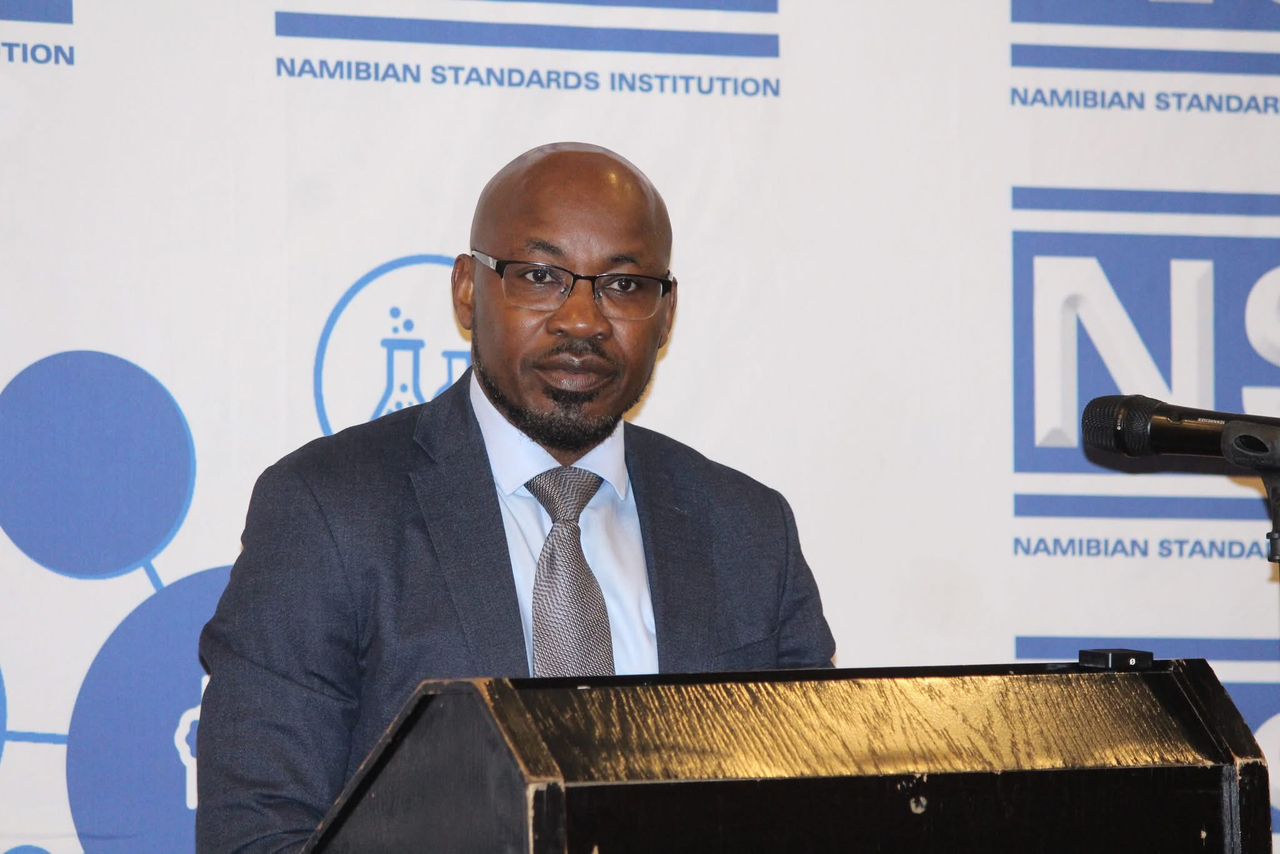
The ministry’s chief economist, Abednego Ekandjo, yesterday said the ministry held engagements with fuel retailers who voiced concern about the minimum wage, saying they were struggling to pay their employees – unless fuel prices were adjusted accordingly.
“As a government that needs to make informed decisions.
We were then left between whether we keep the fuel prices as they are for the benefit of the consumers, or we increase it to ensure fuel retail employees are not retrenched.
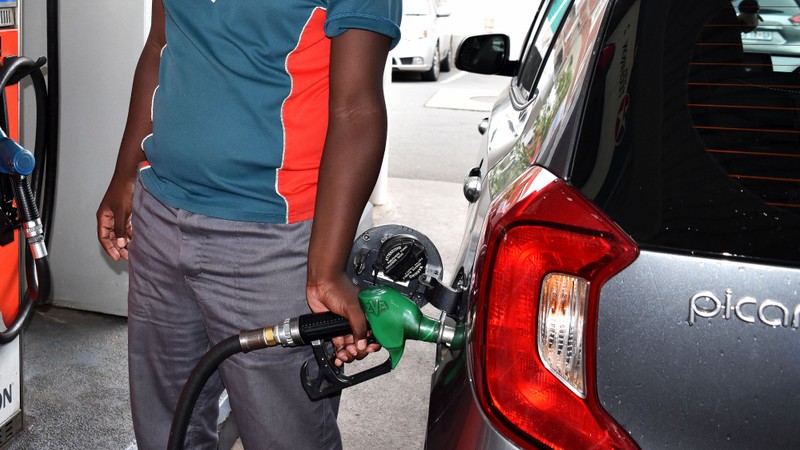
“In the discussions, the owners of service stations indicated they may have to let go of staff to adhere to the minimum wage.
So we had to make a balanced decision,” he said.
Ekandjo said fuel dealers would have suffered more if fuel prices were not adjusted to align with the minimum wage.
Consumers should be grateful to the government for regulating fuel, he said, adding that if it was not regulated, fuel dealers could have charged a fee of their own, such as N$30 per litre.
Meanwhile, the minister of agriculture, water and land reform, Calle Schlettwein, has questioned the mines ministry’s fuel increment, asking whether it is the ministry’s policy to make the fuel sector pay minimum wages.
Schlettwein took to social media on Monday, questioning whether it is policy that taxi drivers, workers, farmers and civil servants should subsidise employers in the fuel sector to pay minimum wages.
“Petrol and diesel prices are to be increased to fund maintenance and minimum wages, we are told.
The latter is a problem. Is it now the policy of the mines ministry to subsidise employers in the fuel sector to pay minimum wages?” he asked.
This week, the mines ministry announced an increase of 50 cents per litre in the price of petrol and both diesel variants.
The new prices at Walvis Bay are now N$21.17 per litre for petrol, N$21.42 per litre for diesel 50ppm, and N$21.52 per litre for diesel 10ppm.
Fuel prices in other regions of the country will be adjusted accordingly.
These adjustments, the ministry stated, came into effect at 00h00 today.
The ministry said the new national minimum wage for the fuel retail services sector has more than doubled – from N$7.20 per hour to N$18 per hour.
This increase could not be fully absorbed by the industry without affecting jobs and business sustainability, given the prevailing thin dealer margins in the sector.
“At the same time, the revised annual 50 cents per litre levy requested for the maintenance of the national roads remain not fully met due to adverse fuel price developments during the year,” a statement on Saturday noted.
The mines ministry then resolved to increase the dealer’s margin for fuel retail operators or service stations by 30 cents per litre.
This decision is aimed at supporting the dual objective of meeting minimum wage requirements, job retention and insulating the welfare of petrol
service station attendants, as well as supporting business sustainability in the sector.
This adjustment would raise the dealer’s margin to 222 cents per litre.
In an age of information overload, Sunrise is The Namibian’s morning briefing, delivered at 6h00 from Monday to Friday. It offers a curated rundown of the most important stories from the past 24 hours – occasionally with a light, witty touch. It’s an essential way to stay informed. Subscribe and join our newsletter community.

The Namibian uses AI tools to assist with improved quality, accuracy and efficiency, while maintaining editorial oversight and journalistic integrity.
Stay informed with The Namibian – your source for credible journalism. Get in-depth reporting and opinions for
only N$85 a month. Invest in journalism, invest in democracy –
Subscribe Now!