




With digitalisation reshaping the insurance and financial services industry in Africa, the threat of fraud has evolved in terms of its magnitude and complexity.
While institutions race to digitise procedures and embrace artificial intelligence (AI), the World Economic Forum’s 2024 Global Cybersecurity Outlook shared that fraudsters employ online platforms to target the most vulnerable – micro-enterprises, families, and individuals.
Fraud isn’t about stolen cash. It’s about stolen trust, peace of mind, and dignity. In Namibia, where families work to create financial security, the emotional impact of fraud can be crushing. Victims feel shock, denial, shame, and fear, with too many afraid to even report it. Today’s scammers are more sophisticated, using impersonation, identity theft, and social engineering to trick even the most cautious.
The rise in the use of digital onboarding within insurance and the associated financial sector has opened new windows to fraud.
According to the Insurance Information Institute’s 2024 identity theft and cybercrime statistics, identity theft, phishing, and spoofing (when cybercriminals pretend to be someone or something else to gain access, steal data, or spread malware) by SMS are on the rise.
Students, pensioners, and entrepreneurs are the most susceptible.
Misplaced trust in a fraudulent intermediary can lead to unauthorised access to banking profiles, the theft of premiums, or the abuse of identity.
According to recent global risk fraud management trends, cybersecurity has become a top board-level concern in 85% of organisations (World Economic Forum – Global Cybersecurity Outlook 2024), yet over half admit to having weaknesses in their fraud prevention systems.
Some 78% recognise digital dissemination as a significant risk, especially with the poor onboarding processes being exploited by fraudsters.
Although institutions are adopting AI and analytics, real-time fraud detection remains an area of work in progress.
Digital disruption in Africa presents both a threat and an opportunity. Limited digital literacy, particularly among frontline workers and consumers, leaves many more vulnerable to scams. Internal audit leaders highlight the urgent need to strengthen systems and prioritise proactive fraud education.
But the battle against fraud is more than fraud departments and firewalls. It’s about responsibility, awareness, and compassion.
Financial institutions must do more than comply with the law.
They must educate customers, issue timely warnings, collaborate with other industry partners and players, and respond with sensitivity when fraud occurs. Blaming victims only worsens the trauma.
Fraud is not someone else’s problem. It has become everyone’s problem. Speak up when something is not right. Share your story.
Learn the red flags.
Because safeguarding our people is as important as safeguarding our money. Together in vigilance, and together in knowledge we can have a more resilient and fraud-aware financial system.
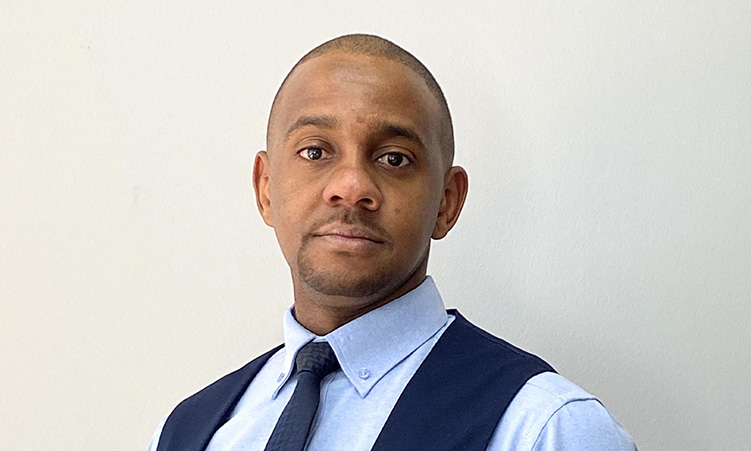
– Ujandja Zatjirua is Old Mutual Namibia’s assurance and group forensic services manager of corporate governance.
In an age of information overload, Sunrise is The Namibian’s morning briefing, delivered at 6h00 from Monday to Friday. It offers a curated rundown of the most important stories from the past 24 hours – occasionally with a light, witty touch. It’s an essential way to stay informed. Subscribe and join our newsletter community.

The Namibian uses AI tools to assist with improved quality, accuracy and efficiency, while maintaining editorial oversight and journalistic integrity.
Stay informed with The Namibian – your source for credible journalism. Get in-depth reporting and opinions for
only N$85 a month. Invest in journalism, invest in democracy –
Subscribe Now!