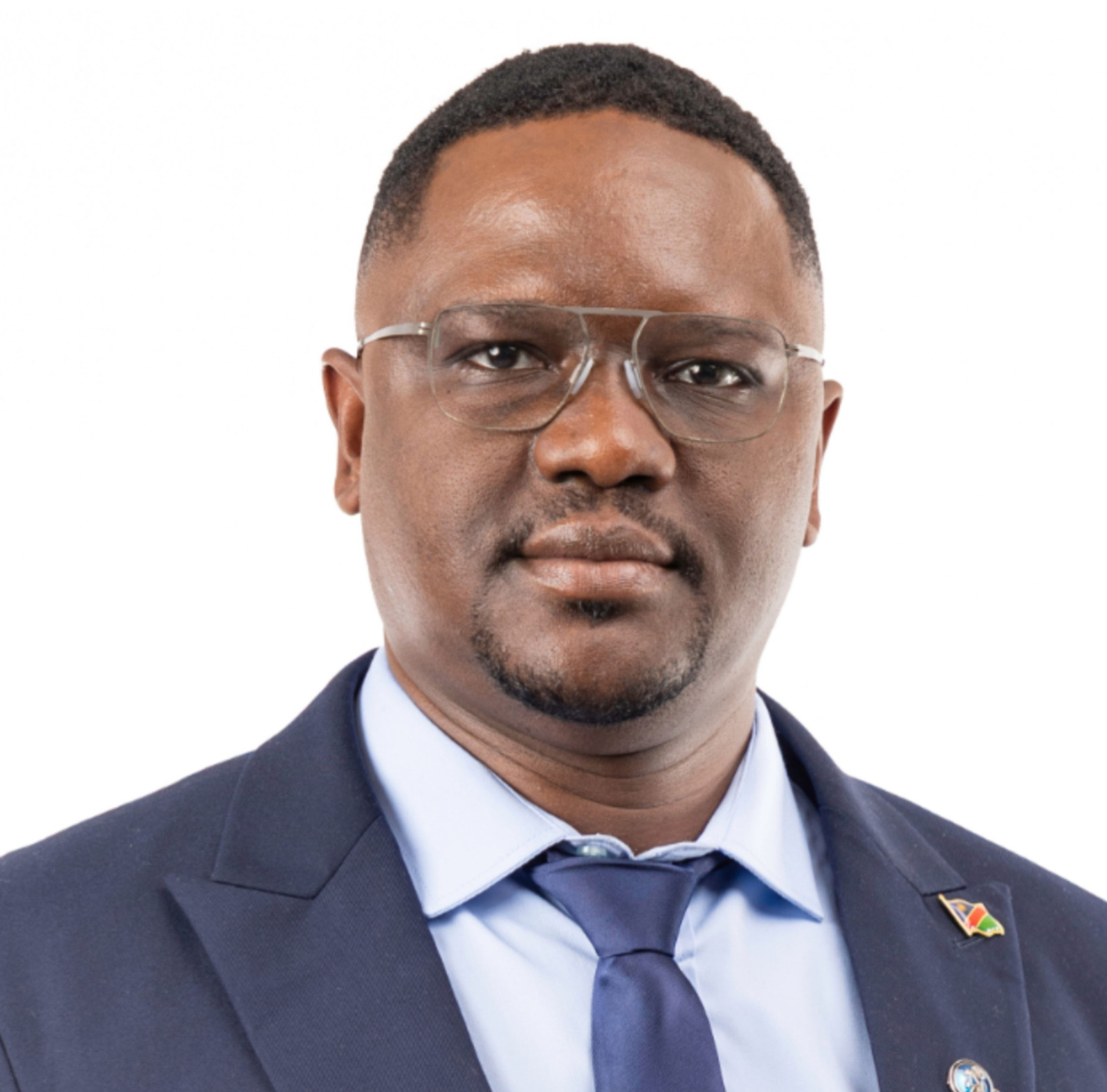








Former Okongo Village Council chief executive Immanuel Haikali has broken his silence over the alleged allocation of unserviced land to residents by the council during his tenure.
Haikali has been accused of approving the allocation of the land to residents, but he has since shifted blame to the council and its chairperson for bulldozing the process.
Speaking to The Namibian in a telephonic interview recently, Haikali accused the council of pushing for the approval of unserviced lands, citing that some councillors either own such land or have deals with individuals.
“I had to leave that place for my own mental health because it has been draining me a lot. Councillors often disregard accounting officers duties and force unlawful conduct. The chairperson, Lasarus Shapwa, is one such individual, among others who have been pushing for the allocation of unserviced lands, while the law clearly states that we are not supposed to allocate land that is not serviced,” he said.
Haikali stated that while he was still the chief executive, the council approve the construction of houses to a company he did not approved after learning it had ties with a certain councillor, and he suggested alternatives.
He said during his time, it was difficult because the council often disregarded his orders. He explained that as an accounting officer, they consistently challenged his decisions, leading him to become an adversary to the council, with some members not seeing eye to eye with him.
“Use my name, I am not afraid, but that council has done so many unlawful things and it’s good that the minister is now also getting involved because they need to be called to order. An accounting officer should not be a position influenced by politics but this is what is happening in that council. Some of them do not even reside within Okongo and yet they were never brought to order,” he added.
Shapwa refuted the allegations over the weekend, adding that the council acted on documents provided by the chief executive.
“The chief executive provided documents confirming that such plots were serviced. If there is anyone who needs to answer to this, it should be the chief executive who signed off land deeds of unserviced plots. If the chief executive has it on record that I was pushing for such then he must prove it, because I have documents showing that such lands were serviced and he was the one pushing us to approve it,” he said.
Shapwa said he is disappointed that his name has been dragged into matters which he has also been questioning.
A document seen by The Namibian indicates that 28 applications were received by the committee for land recommendations for extension two and block 103 which is fully serviced.
During his visit last month, minister of urban and rural development James Sankwasa was dismayed with the Okongo Village Council after finding out it had allocated unserviced land and allowed the construction of houses which have not been occupied since 2022.
This was exposed by residents who raised concerns to the minister that they have been paying their mortgages without occupying the houses.
Current Okongo Village Council acting chief executive Philip Mwetulundila has informed Sankwasa that the process of awarding the tender for the construction of services is nearly complete.
However, the councillors are not aware of the process to award a tender for the construction of services.
The minister ordered the council to complete the process by 1 July for construction to commence from 15 July.
Last year, it was reported that officials of the Okongo Village Council allocated low-cost houses to themselves, where senior council members received houses intended for low-income families in the village, despite their ineligibility based on salary.
This programme specifies a maximum salary threshold of N$6 000 for eligibility, which the officials exceed by several degrees.
According to the auditors report on the Okongo Village Council for the financial year ended 30 June, a building inspector is being remunerated on Grade C4 instead of Grade C1 as result of errors made in advertising and recruiting this staff member in November 2016.
Although there is a council resolution, the audit was not provided with an approval from the Ministry of Urban and Rural Development to authorise the employee to be paid on a salary grade that is not in the approved salary structure.
It was also observed that there was a variance of N$338 689 053 between the value of the council’s serviced land as recorded in the valuation roll book and the land value stated in the annual financial statements.
It was further observed that there is another portion of land which belongs to and is used by the village council, however, it is not included in the Okongo Base Map, and also does not appear in the valuation roll book which was provided for audit purposes.