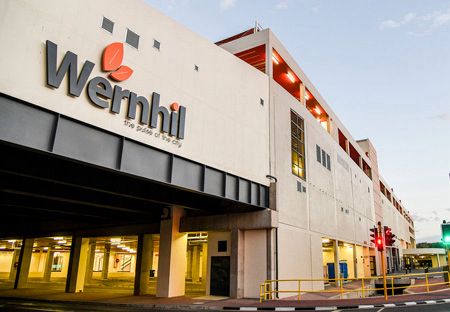



ANGOLANS splurging cash in Namibia are a double-edged sword: their spending power might boost the economy, but it also drives up property prices.
In addition, their money allows them to outbid local entrepreneurs, the World Bank says.Rich Angolans, ‘who often buy houses entirely with cash’, are one of the drivers of the property boom in Namibia, the World Bank says in a new report, titled ‘Ill-gotten Money and the Economy: Experiences from Malawi and Namibia’.’Angolans – who have benefitted directly and indirectly from the Angolan oil boom, and very fast economic growth over the past decade – spend large amounts of cash in the Namibian economy, doing business, driving up real estate prices, outbidding Namibian entrepreneurs, and enjoying the favourable living circumstances in Namibia,’ the bank said.According to the World Bank the spending pattern of Angolans isn’t surprising as the Angolan economy is cash dominated.The Bank of Namibia (BoN) told the World Bank that a lack of trust in the formal banking system in Angola has caused even rich Angolans to prefer using cash. Another reason for their cash power is the fact that the financial infrastructure between Angola and Namibia isn’t well developed.’It is easier to bring cash in than to use a banking channel,’ the World Bank says. But Angolans are not alone to blame for skyrocketing property prices, the bank says. There has also been ‘an upsurge’ in demand from Chinese and European businesspeople. The uranium boom and the expected discovery of oil offshore has resulted in multinationals becoming more interested in Namibian property, the report says.Also driving property prices is interest from pension funds which have few other possibilities for investing their funds in Namibia. Then there is also a demand by the new political elite and former farmers who are no longer able to acquire land, the study said.The World Bank furthermore says that ‘legislative loopholes offer ample opportunities to launder and invest ill-gotten corrupt money in the highly attractive Namibian real estate market without being caught by the anti-money-laundering system’.The bank says it is common to buy and sell property in Namibia privately and completely in cash. Property can also be registered in a close corporation in which the owner has all the interest.’The sale of property through a change in ownership in the closed corporation would involve no change in ownership of the property; registration in title deed, including payments of transfer and stamp duties, can thus be avoided.’The World Bank says ill-gotten money is believed to have contributed to the property boom in Namibia, ‘but the extent to which this is true is unclear’.What is indisputable though, is that the prices of houses, farms and plots have shot up rapidly over the last few years, ‘making it difficult for middle-class Namibians to acquire a farm or decent house in the few urban areas in Namibia’.The property market in the country is a ‘special source of concern, both from an economic perspective and from a money-laundering point of view’, the World Bank says.
In an age of information overload, Sunrise is The Namibian’s morning briefing, delivered at 6h00 from Monday to Friday. It offers a curated rundown of the most important stories from the past 24 hours – occasionally with a light, witty touch. It’s an essential way to stay informed. Subscribe and join our newsletter community.

The Namibian uses AI tools to assist with improved quality, accuracy and efficiency, while maintaining editorial oversight and journalistic integrity.
Stay informed with The Namibian – your source for credible journalism. Get in-depth reporting and opinions for
only N$85 a month. Invest in journalism, invest in democracy –
Subscribe Now!