



FNB Namibia’s decision to scrap all fees on local card swipes, effective from 1 July, has been described as a bold and unprecedented move in the country’s financial sector.
The announcement, which forms part of FNB’s revised annual pricing structure, is being billed by the bank as the first of its kind in Namibia.
The change is also part of a broader strategy to make banking more affordable and accessible.
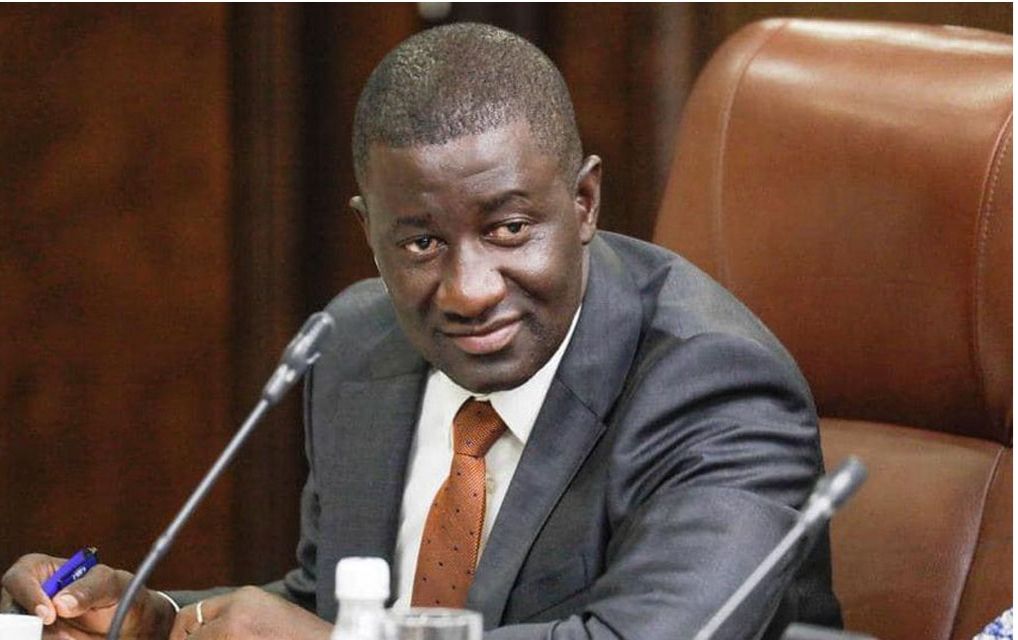
Speaking to Desert FM this week, Ernst Malgas, the chief executive of AirPay, a fintech company focused on digital payments and financial inclusion, said the move signals a shift from traditional competition in services to a focus on pricing and customer-centric innovation.
“FNB’s decision is quite bold and unprecedented in the local banking sector. No major bank has previously removed local swipe fees completely. It reflects growing pressure from both regulators and consumers for more affordability and transparency,” he said.
Malgas said while consumers will benefit immediately through fee-free transactions, the long-term impact could be much broader.
“Removing swipe fees encourages safer, traceable, and cashless transactions. Over time, this lowers barriers to financial participation, especially for the unbanked or underbanked,” he said.
However, Malgas cautions that the benefits appear one-sided for now.
While customers no longer pay for swiping, businesses, particularly small merchants and small and medium enterprises, (SMEs) still absorb the full cost of merchant fees charged by banks and card networks like Visa and Mastercard.
“For real inclusion, both sides of the transaction must benefit equally. SMEs remain burdened with high merchant fees, and this undermines efforts to level the playing field,” he said.
Asked whether other banks would follow suit, Malgas was optimistic.
“FNB has set a new standard. We’re already seeing competitors revisiting their pricing models. This could trigger a ‘race to zero’ on fees, which would be great for consumers, but banks must also look beyond price wars,” he said.
Malgas urged the financial sector to embrace fintech partnerships and open banking ecosystems to improve access for rural, informal, and underserved communities.
“Fee reductions are not enough. We need to support digital wallet infrastructure, lower entry barriers for fintechs, and simplify account onboarding for informal merchants,” he said.
Malgas also called on regulators to play an active role in promoting financial inclusion.
“The Bank of Namibia should not only regulate but also remove structural barriers that prevent innovation. True inclusion lies in enabling more players to participate, not just monitoring the incumbents,” he said.
In an age of information overload, Sunrise is The Namibian’s morning briefing, delivered at 6h00 from Monday to Friday. It offers a curated rundown of the most important stories from the past 24 hours – occasionally with a light, witty touch. It’s an essential way to stay informed. Subscribe and join our newsletter community.

The Namibian uses AI tools to assist with improved quality, accuracy and efficiency, while maintaining editorial oversight and journalistic integrity.
Stay informed with The Namibian – your source for credible journalism. Get in-depth reporting and opinions for
only N$85 a month. Invest in journalism, invest in democracy –
Subscribe Now!