



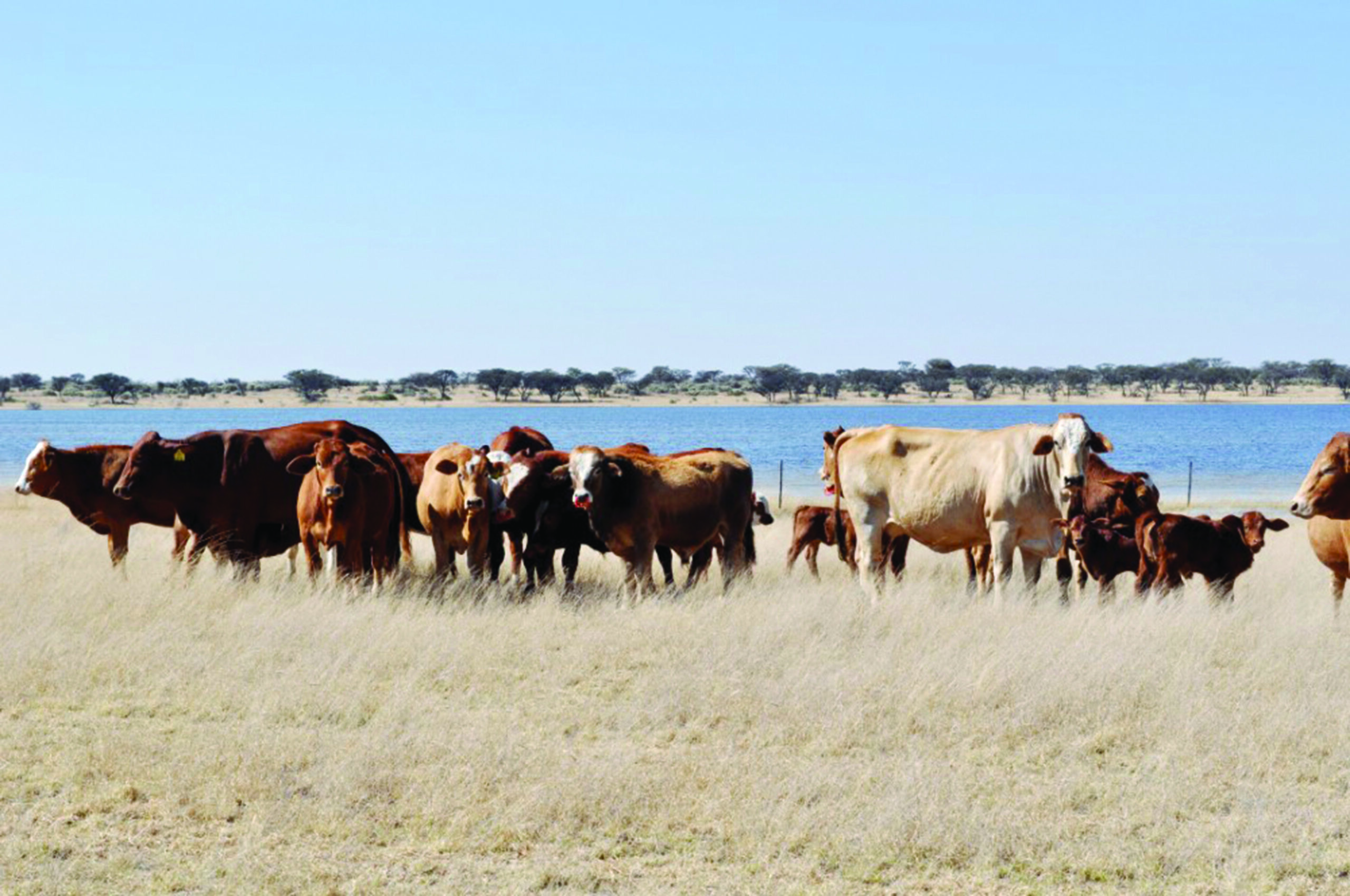
The livestock industry has warned that vaccinations against foot-and-mouth disease (FMD) would severely damage the sector.
Outbreaks of FMD in neighbouring countries have led to unconfirmed reports of farmers looking to vaccinate against the disease.
Vaccination is only carried out in Namibia by state veterinarians north of the veterinary fence (redline).
South of the fence, Namibia’s status is “FMD-free without vaccination,” a status that allows exporting to premium markets.
The Namibia Agriculture Union (NAU) says premium markets sustain the whole livestock industry.
“Only one third of Namibia’s beef is consumed locally. The rest must be exported. Premium markets such as the European Union (EU), the United Kingdom, Norway, China and the United States are crucial because these markets offer high-value, premium prices that sustain Namibia’s beef industry.
“Many alternative markets such as Saudi Arabia and other African countries do not match these price levels and would not compensate for losing premium market access,” the NAU says.
The Meat Corporation of Namibia (Meatco) has told The Namibian that the EU would not accept Namibian beef if the country introduced vaccination.
“Europe values animal health and food safety highly. FMD is highly infectious. Being free without vaccination signals strong disease control and low risk.
“The EU pays premium prices for beef that meets strict sanitary and animal-welfare standards,” Meatco head of corporate affairs Rosa Thobias says.
Beef that Meatco sources from north of the veterinary cordon fence is currently marketed to Ghana, the Democratic Republic of Congo, Angola, and South Africa.
However, Meatco says the African market cannot absorb Namibia’s supply of beef.
According to EU deputy head of mission Ian Dupont, beef accounted for 59% of Namibia’s agri-food exports to the EU, with a total value of N$1.6 billion (€86 million) in 2024.
The EU does not import from countries that use the FMD vaccine in order to reduce the risk of introducing the virus to its own agricultural sector, he says.
“The key issue for importing countries is confidence in disease freedom and surveillance. In particular, vaccination can make it more complex to demonstrate that the virus is not circulating. This is because vaccination can reduce or prevent clinical signs and can complicate interpretation of serological results,” Dupont says.
Minister of agriculture, fisheries, water and land reform Inge Zaamwani-Kamwi on Monday called vaccination a “last option”.
Any vaccination south of the fence is illegal and would imply that the vaccine has been smuggled, she said.
The Directorate of Veterinary Services (DVS) recently said it would cull any cattle found to have been vaccinated against FMD illegally.
“There has never been a time that any person in the private sector has been allowed to store, import, or sell the vaccine,” veterinary medicine provider Swavet general manager Goi Geurtse has told The Namibian.
Agra also confirmed that no private companies sell the vaccine.
The DVS last week warned that the state would confiscate and kill cattle that are illegally vaccinated south of the fence.
In an age of information overload, Sunrise is The Namibian’s morning briefing, delivered at 6h00 from Monday to Friday. It offers a curated rundown of the most important stories from the past 24 hours – occasionally with a light, witty touch. It’s an essential way to stay informed. Subscribe and join our newsletter community.

The Namibian uses AI tools to assist with improved quality, accuracy and efficiency, while maintaining editorial oversight and journalistic integrity.
Stay informed with The Namibian – your source for credible journalism. Get in-depth reporting and opinions for
only N$85 a month. Invest in journalism, invest in democracy –
Subscribe Now!