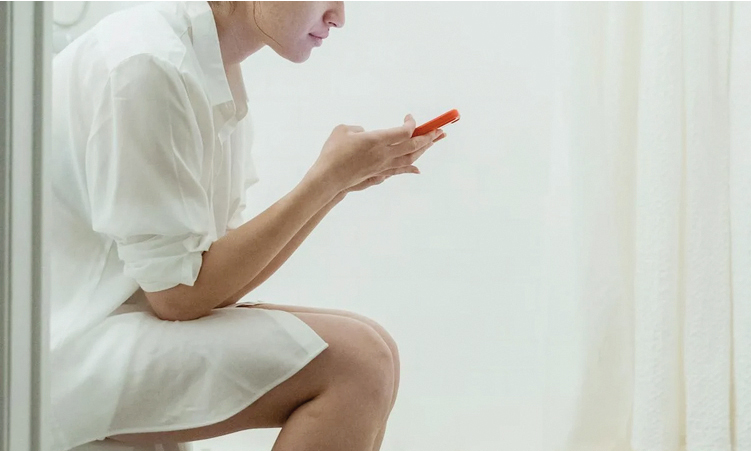
Let’s be honest: many of us bring our smartphones along for a little ‘me time’ on the toilet. It’s a habit that feels harmless, even productive: scrolling through Instagram, reading an article, or catching up on WhatsApp messages while waiting for nature to take its course.
But have you ever stopped to think about the potential health consequences of this common pastime? This habit, which is now part of our modern lifestyle, has raised eyebrows among health experts. What was once a quick five-minute bathroom break has turned into extended 15- to 20-minute sessions.
And while it might seem like a relaxing way to multitask, doctors are warning that spending too much time on the toilet could lead to serious issues like haemorrhoids, weakened pelvic muscles and even rectal prolapse.
Here’s what’s happening to your body when you overstay your welcome on the toilet and why it’s time to rethink your bathroom habits.
Before smartphones, the bathroom was a place for newspapers, magazines or even crossword puzzles. Fast forward to today, and our trusty phones have become the ultimate bathroom companion.
How long should we sit on the toilet? The ideal bathroom visit should last no more than five to 10 minutes, according to health experts.
A survey by YouGov revealed that nearly 57% of people admit to using their phones on the toilet, with many of us scrolling through social media, reading emails or even shopping online. But while this habit feels like harmless multitasking, it’s anything but.
Prolonged sitting on the toilet can lead to digestive health issues, and over time, this could become a serious problem for your body.
- Haemorrhoids
Sitting too long increases pressure on the veins around your rectum. Over time, these veins swell, causing haemorrhoids (piles). Lai Xue, a colorectal surgeon, compares it to a “one-way valve” where gravity traps blood in the area.
The South African Medical Journal notes that haemorrhoids affect 5% of adults, with prolonged toilet sitting worsening symptoms like itching, pain and bleeding.
- Pelvic floor dysfunction: weak muscles, big problems
The pelvic floor muscles act like a hammock supporting your bladder, bowels and (for women) the uterus. Sitting too long strains these muscles, leading to weakness.
This can cause urinary incontinence, difficulty controlling gas or even rectal prolapse. Rectal prolapse (where the rectum slips out of place) is rare but serious, often requiring surgery.
- Poor circulation and numbness
The toilet seat’s hard edge can compress blood vessels in your legs, reducing circulation. Over time, this may lead to numbness, varicose veins or even blood clots in extreme cases.
- Straining = anal fissures
Many of us are guilty of forcing a bowel movement while distracted by our phones, unaware of how long we’ve been sitting.
Forcing a bowel movement by straining (very common if you’re distracted on your phone) can tear the delicate anal tissue, causing painful fissures. These take weeks to heal and increase infection risk.
Five Tips for healthier bowel movements (no phone required!)
- Stick to the 10-minute rule: If nothing’s happening after 10 minutes, get up. “Walking stimulates your gut.” Try again later.
- Embrace the “squat position”: The natural squatting posture (knees above hips) straightens the rectum, making elimination easier. No fancy bidet is needed – prop your feet on a small stool (or even a stack of old phone books!) to mimic this angle.
- Eat like your ancestors: Traditional African diets are rich in fibre, which softens stools and prevents straining. Load up on maize meal pap (opt for high-fibre, unprocessed varieties), and legumes like lentils, sugar beans or chickpeas.
Fruits such as guavas, mangoes or prickly pears are rich in water and fibre. The Heart and Stroke Foundation South Africa recommends 25 to 30 grammes of fibre daily, but most South Africans only get half that.
- Drink your water: Dehydration hardens stools, making them harder to pass. Aim for six to eight glasses of water daily. Herbal teas like rooibos or mint also count!
- Exercise stimulates bowel movements: A 15-minute walk, a quick yoga session (try child’s pose or gentle twists) or even dancing to amapiano can get things flowing.
– IOL
In an age of information overload, Sunrise is The Namibian’s morning briefing, delivered at 6h00 from Monday to Friday. It offers a curated rundown of the most important stories from the past 24 hours – occasionally with a light, witty touch. It’s an essential way to stay informed. Subscribe and join our newsletter community.

The Namibian uses AI tools to assist with improved quality, accuracy and efficiency, while maintaining editorial oversight and journalistic integrity.
Stay informed with The Namibian – your source for credible journalism. Get in-depth reporting and opinions for
only N$85 a month. Invest in journalism, invest in democracy –
Subscribe Now!