



The Ministry of Health and Social Services has declared an mpox outbreak in Namibia after confirming the country’s first case at Swakopmund on Friday.
The case has been linked to recent cross-border travel within the Southern African Development Community (SADC) region.
What is mpox?
Mpox is a viral infection that primarily affects humans and animals.
It belongs to the group of viruses classified as the Orthopoxvirus genus. These typically cause pox-like disease, which includes a rash with raised bumps or blisters on the skin.
The bumps are often filled with fluid or pus and can eventually crust over and heal.
Mpox is similar to the now eradicated smallpox and other pox viruses like cowpox and vaccinia.
It was originally named ‘monkeypox’ when first identified in monkeys in 1958.
These captive research monkeys were in Denmark at the time. In 1970, the first reported human case was a nine-month-old boy in the Democratic Republic of Congo.
In 2022, the World Health Organisation (WHO) recommended updating its name to ‘mpox’ to reduce stigma and association with monkeys, as the disease can also infect rodents and humans.
How is the mpox virus transmitted?
The mpox virus is transmitted to humans through close contact with an infected animal or person.
Animal-to-human transmission typically occurs through bites, scratches, or direct contact with the blood, body fluids, or wounds of an infected animal.
Human-to-human transmission can happen through direct contact with skin lesions, body fluids, or respiratory droplets of an infected person; prolonged face-to-face contact with an infected person; and touching contaminated objects, such as bedding or clothing that have been in contact with the infectious material, although this is a rare mode of transmission.
The virus enters the body through broken skin, the respiratory tract, or mucous membranes (which include eyes, nose, and mouth).
What are the mpox symptoms?
Symptoms include fever, headache, muscle aches, and a distinctive rash that can appear on the face, hands, feet, and other parts of the body.
The rash eventually forms pustules and scabs before healing.
A pustule – which looks like a big white or yellow pimple – is a small, raised bump on the skin that is filled with pus.
Lymph nodes, bean-shaped glands that are part of the immune system, can also swell up as they try to fight the virus.
Some of the places these are located include under each arm, and the sides and back of the neck.
In rare cases, an infection may be deadly. Overall, an infection can last two to four weeks. It can take three to 21 days to develop symptoms after being exposed to the virus.
Why has mpox been declared a global emergency?
An emergency declaration from the WHO is meant to spur donor agencies and countries into action.
The WHO declared mpox a global health emergency in July 2022 as well, when the virus was first found to spread through sexual contact and was reported in more than 70 countries across the world.
Once cases declined, the WHO lifted the emergency status in May 2023.
Is there a vaccination against it?
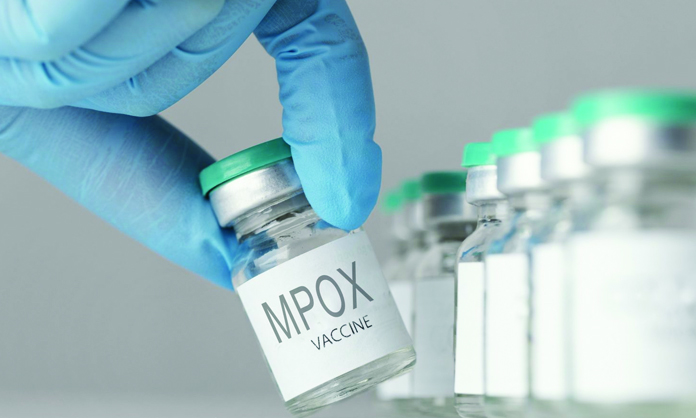
While mild cases can resolve on their own, there are no approved treatments or vaccines specifically for mpox.
The antiviral drug tecovirimat (Tpoxx), originally for smallpox, is being studied for treating mpox.
The United States Food and Drug Administration has also approved Jynneos (also known as Imvamune or Imvanex), a smallpox vaccine for severe mpox cases in people aged 18 years and older.
The Centres for Disease Control and Prevention has recommended getting vaccinated and isolating once exposed to someone with mpox.
– This is an extract from an Al Jazeera post of August 2024, prepared by Areesha Lodhi. The original text can be found at https://www.aljazeera.com/news/2024/8/14/what-is-mpox-and-why-has-who-declared-it-global-health-emergency
In an age of information overload, Sunrise is The Namibian’s morning briefing, delivered at 6h00 from Monday to Friday. It offers a curated rundown of the most important stories from the past 24 hours – occasionally with a light, witty touch. It’s an essential way to stay informed. Subscribe and join our newsletter community.

The Namibian uses AI tools to assist with improved quality, accuracy and efficiency, while maintaining editorial oversight and journalistic integrity.
Stay informed with The Namibian – your source for credible journalism. Get in-depth reporting and opinions for
only N$85 a month. Invest in journalism, invest in democracy –
Subscribe Now!