


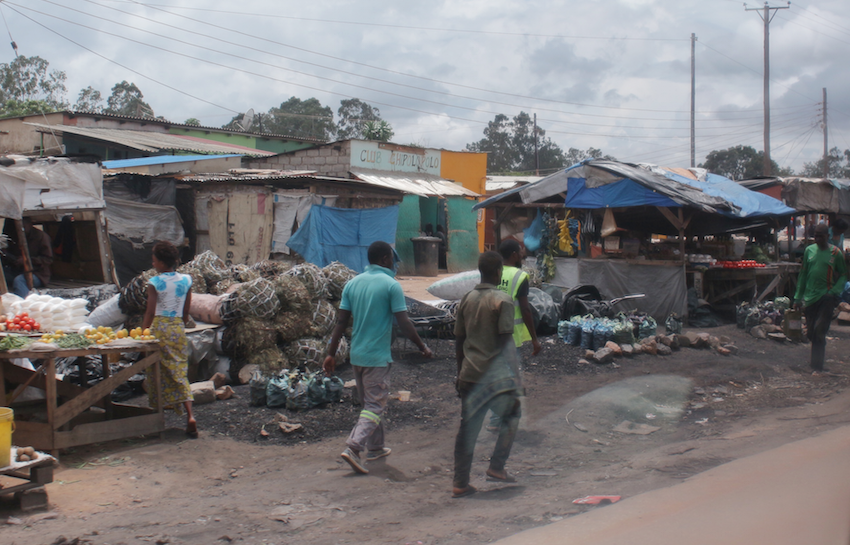
Driving through the streets of Lusaka, we are finally on our way to our family ‘sightseeing’ outing.
After days of being indoors due to rain and distant work duties, I was prepared for the small dose of Lusaka I was about experience for a few hours.
On our way, we pass various katembas (little corner stalls) selling just about anything. The hustle is apparent. When you thought you would only see it in certain streets, people are working hard to put food on the table at every corner, whether by selling onions, talk time (airtime) or the most random of things, like door frames.
After driving down a muddy path for what seems like forever, we enter the gates of Kalimba Reptile Park, about 20 kilometres east of Lusaka. Their doors have been open since March 1995 and they have now become self-sufficient in crocodile egg production after having successfully integrated crocodiles in their aquaculture. Upon arrival, you can find duck eggs alongside a fridge stocked with Zambia’s national beer, Mosi Lager.
The duck water has been used to improve plankton levels in the water and is the natural diet for their tilapia (bream) fish, which are bred at the farm. Operating on a mono-sex culture, the farm only keeps males, because they are more productive and are a benefit to farmers.
Forty Zambian kwacha gets us in and immediately as we walk in, we are greeted by a deep pit filled with four massive writhing pythons – some of which can be held by the public for free.
Neatly kept behind a glass are a plethora of snakes such as the Mozambique spitting cobra, puff adder, Gaboon viper snake, boomslang, brown house snake, forest cobra, black mamba and black-necked spitting cobra, to name a few.
After admiring the beautiful venomous creatures, if you are into that kind of thing, the park opens up to a mini golf area and a pool for the younger ones. The seating area, where you can order their special crocodile burger or kebabs, has a table adorned with a menacing crocodile skull and a bucket filled with hatched crocodile eggs for display.
The path then leads to the crocodile farm where you can find the African slender snouted crocodile and the largest African crocodile, the Nile crocodile. The stench surrounding some of the ponds can be very alarming, but it’s worth the scorched nostrils to see some of these animals react to your movements or all dash into the water at once when their pond is being cleaned by one of the park’s staff.
The entrance to the Nile Crocodile area is a green, lush and absolutely beautiful view that disguises the humongous bloated bulk of the Nile crocodile. They seem to have been very well fed and are currently experiencing the ‘itis’ (drowsy sleepy feeling you get after eating a large meal) because human movement on the bridge right above hasn’t bothered them one bit. Growing to six metres in size and 730 kilograms in weight, this predator feeds on fish, but will attack any unfortunate animal in its path, which is evident after seeing one quickly dive into the swamp and slowly float about leaving only its eyes above water.
This was the second last stop of our trip before nibbling on some crocodile kebabs, which with a little more effort could be the star of the culinary experience at Kalimba.
Tapping into childhood memories of visiting animals at the Windhoek Show as a school, there has always been this innate strength that comes about in situations where one should normally be frightened. Suppress it, who knows, you might end up holding a python.
In an age of information overload, Sunrise is The Namibian’s morning briefing, delivered at 6h00 from Monday to Friday. It offers a curated rundown of the most important stories from the past 24 hours – occasionally with a light, witty touch. It’s an essential way to stay informed. Subscribe and join our newsletter community.

The Namibian uses AI tools to assist with improved quality, accuracy and efficiency, while maintaining editorial oversight and journalistic integrity.
Stay informed with The Namibian – your source for credible journalism. Get in-depth reporting and opinions for
only N$85 a month. Invest in journalism, invest in democracy –
Subscribe Now!