The World Health Organisation (WHO) is calling on southern African countries, including Namibia, to expand prostate cancer screening to rural areas for early detection.
WHO Africa regional director Matshidiso Moeti says African countries should invest in public health systems capable of addressing the priority health concerns of the population, and of delivering those services nationwide.
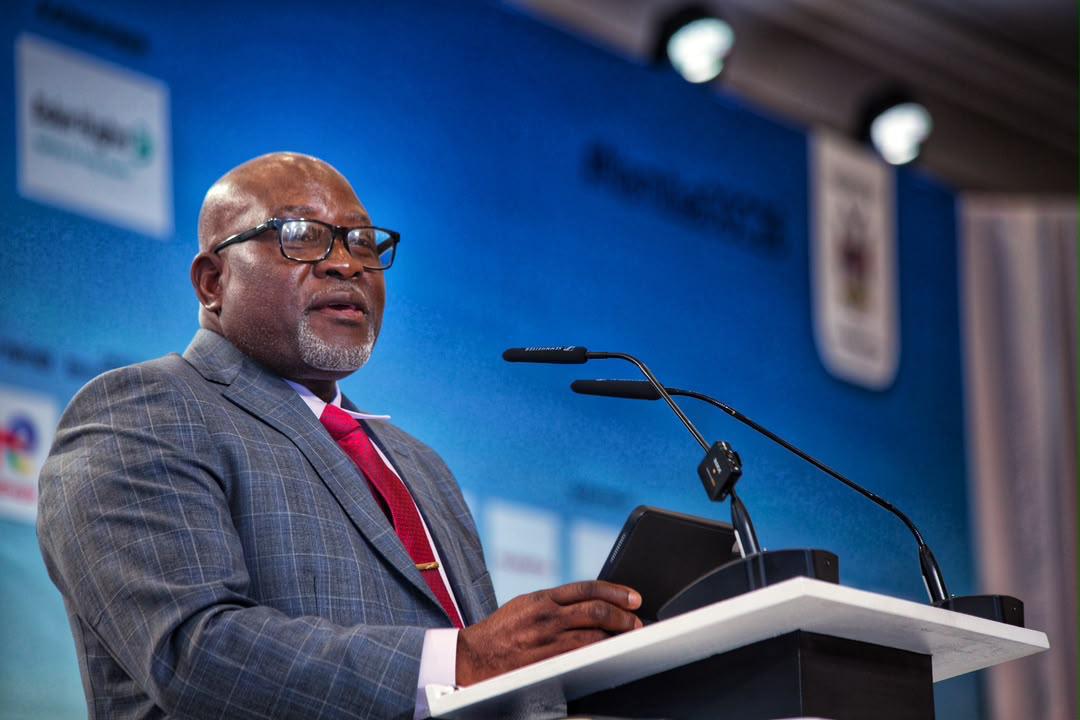
She was speaking at the opening of the first Southern African Prostate Cancer Summit in Windhoek yesterday, which runs until tomorrow.
Moeti said training healthcare providers with the knowledge and tools to respond effectively can alleviate the financial strain of seeking specialists and prevent health professionals from seeking employment outside the country – allowing them to help mitigate the domestic mortality rates of non-communicable diseases such as cancer.
“We need to look at the realities of the human resources that are available in the countries at different levels of the system and find ways to provide them with the knowledge that they need for the role that they need to play.”
Moeti emphasised the importance of learning from past public health challenges such as HIV-AIDS, tuberculosis and malaria.
MANDATORY TEST
Coordinator of the African Cancer Registry Network Donald Parkin suggested mandatory prostate-specific antigen (PSA) testing, which has helped reduce delays in diagnosing prostate cancer in the United States (US).
“Studying these trends in countries like the US where they carry out the mandatory PSA helps improve survival rates through early diagnosis,” he said.
On the other hand, Parkin said older men are increasingly diagnosed with prostate cancer due to late testing.
He added that cancer registries require more funding to collect survival data and better inform public health strategies that determine trends, enable early detection and improve outcomes.
Genomics professor Vanessa Hayes highlighted the lack of genetic research on southern African men with prostate cancer.
Most diagnostic tools, she said, are based on European genetic data, which may not be applicable to African populations.
“There’s a need to design tools that reflect the unique genetics, testosterone levels and environmental factors of southern African men,” she said.
Her research shows up to 70% of prostate cancer cases in southern African men may be linked to specific genetic patterns related to testosterone levels, age and environmental factors.
RISING NUMBERS
Epidemiologist Hajo Zeeb warned that prostate cancer cases are expected to double in the next decades due to limited data collection, stigma and late diagnoses.
“Many older men see this as a taboo topic. We must stop the stigma [around prostate cancer screening] and encourage more men to seek testing early,” he said.
He added that Namibia ranks among the top five African countries with the highest prostate cancer mortality rates.
He said, stigma, and late diagnoses as major barriers to men going for prostate screening.
German urologist Peter Albers stressed the importance of health literacy in combating the disease.
“The best time to screen is between ages 45 and 60 – early enough to detect cancer before it progresses,” Albers said.
He called on authorities to prioritise awareness campaigns and testing, especially in rural areas where medical mistrust may be higher.
He also suggested introducing simpler and more accessible testing methods, such as PSA finger-prick tests, which can be performed without sophisticated laboratory infrastructure.