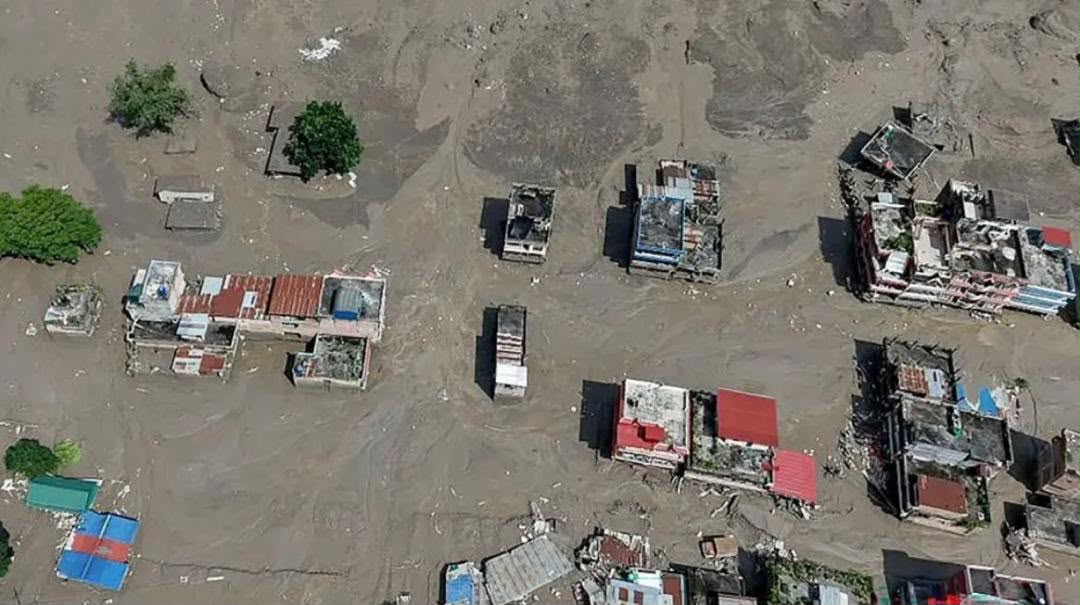
The current Covid-19 pandemic has caught most with their pants down. States, governments, companies, organisations, households and individuals alike have been given a taste of the existential risks humanity is bound to face sometime in the not too distant future. This, most would now agree, is but the beginning.
In his book ‘The Precipice: Existential Risk and the Future of Humanity’, philosopher Toby Ord writes: “Existential risks present new kinds of challenges. They require us to coordinate globally and intergenerationally, in ways that go beyond what we have achieved so far. And they require foresight rather than trial and error. Since they allow no second chances, we need to build institutions to ensure that across our entire future we never once fall victim to such a catastrophe”.
Ord’s premise that we need to apply foresight and build institutions to prepare for the conditions that threaten our very existence does prompt important questions about how we, Namibians, are going to deal with future existential threats such as this one.
It is clear, as we are continuing to examine the fallout from this pandemic, that we can no longer continue with business as usual. The way we managed our country, our businesses and our households is not good enough and is in need of a major overhaul.
Let us consider the example of agriculture. In 2018 agriculture employed nearly one-quarter (23%) of the total employed Namibian population. Yet, in the decade since 2007, the entire sector did not once contribute more than about 5% to GDP. In 2017 the Vulnerability Assessment Committee results showed that the number of food-insecure Namibians increased from 243 000 individuals in 2012/13 to 789 000 individuals in 2017/18. That is an increase of nearly 300% in five years.
Surely, we need a serious mind shift on how we produce food?
Or educate people, or house people, or how we protect natural resources, with who and how we do business and how much we borrow and from whom. Not just as a country, but as a business, an organisation and a household. We the human collective need to make new and better choices, and as Ord reminds us: foresight rather than trial and error.
As more and more people are forced into the informal economy as a result of large-scale retrenchments, we will see an upsurge in informal food producers and vendors. Activities will range from reselling fruits and vegetables, to selling home-baked biscuits, cookies and rusks, to selling cooked food such as vetkoek and kapana.
Not all sellers will be selling at public venues such as markets and street corners; many will take to the internet and social media forums. The sector will become crowded and even more competitive. But many new entrants into the informal economy are unlikely to return to formal employment in the near future, if ever.
At the rate that this sector may be growing, it would not be long before it poses a challenge to the regulatory authorities as they seek to enforce spatial and hygiene regimes.
I am concerned that we are not taking our future seriously enough. Namibians seem to wait for this pandemic to end, so that they can get back to their old ways.
Until the next crisis comes along and the process is repeated again. If we do not make better choices, Namibia will be doomed, of that I am sure.
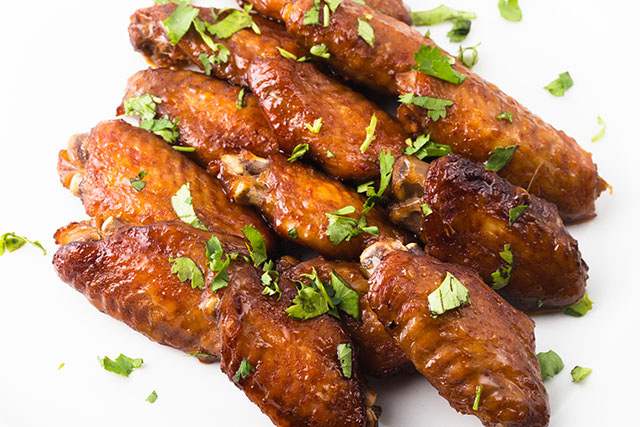
1 kilogram chicken wings, tip joints removed and cut in half
Marinade:
½ teaspoon sesame oil
2 tablespoons lemon juice
2 tablespoons Chinese cooking wine
¼ cup of soy sauce
2 tablespoons brown sugar or honey
¼ cup tomato sauce
2 tablespoons Hoisin sauce
2 tablespoons oyster sauce
2 tablespoons chilli sauce
4 cloves garlic, minced
½ teaspoon five-spice powder
1. Combine marinade ingredients in a large bowl. Add wings and coat well, then set aside to marinate for 10 minutes.