


A Few Years ago, while travelling near Kamanjab, I arrived at a horrific accident scene.
A combi had overturned. Bodies lay scattered across the roadside, some unconscious, others moaning in pain.
One child had died. Another had a broken jaw. Chaos, panic, and confusion filled the air.
What struck me most was how unprepared the bystanders were. Most stood helpless, taking photos or failing to call emergency services; no one could provide immediate assistance.
With my expired first aid knowledge, I did what I could, stabilising injuries, clearing airways, and moving people to safety.
A nurse passing by from Opuwo helped transport the injured to Kamanjab Clinic and then Outjo Hospital. But I could not shake the thought: What if I had not been there?
Namibia records one of the highest road accident rates per capita in the world.
Hundreds die every year, many before an ambulance arrives. In remote areas, emergency services may take hours to respond, and in those crucial minutes, a driver with basic first aid training can mean the difference between life and death.
That someone is often another driver.
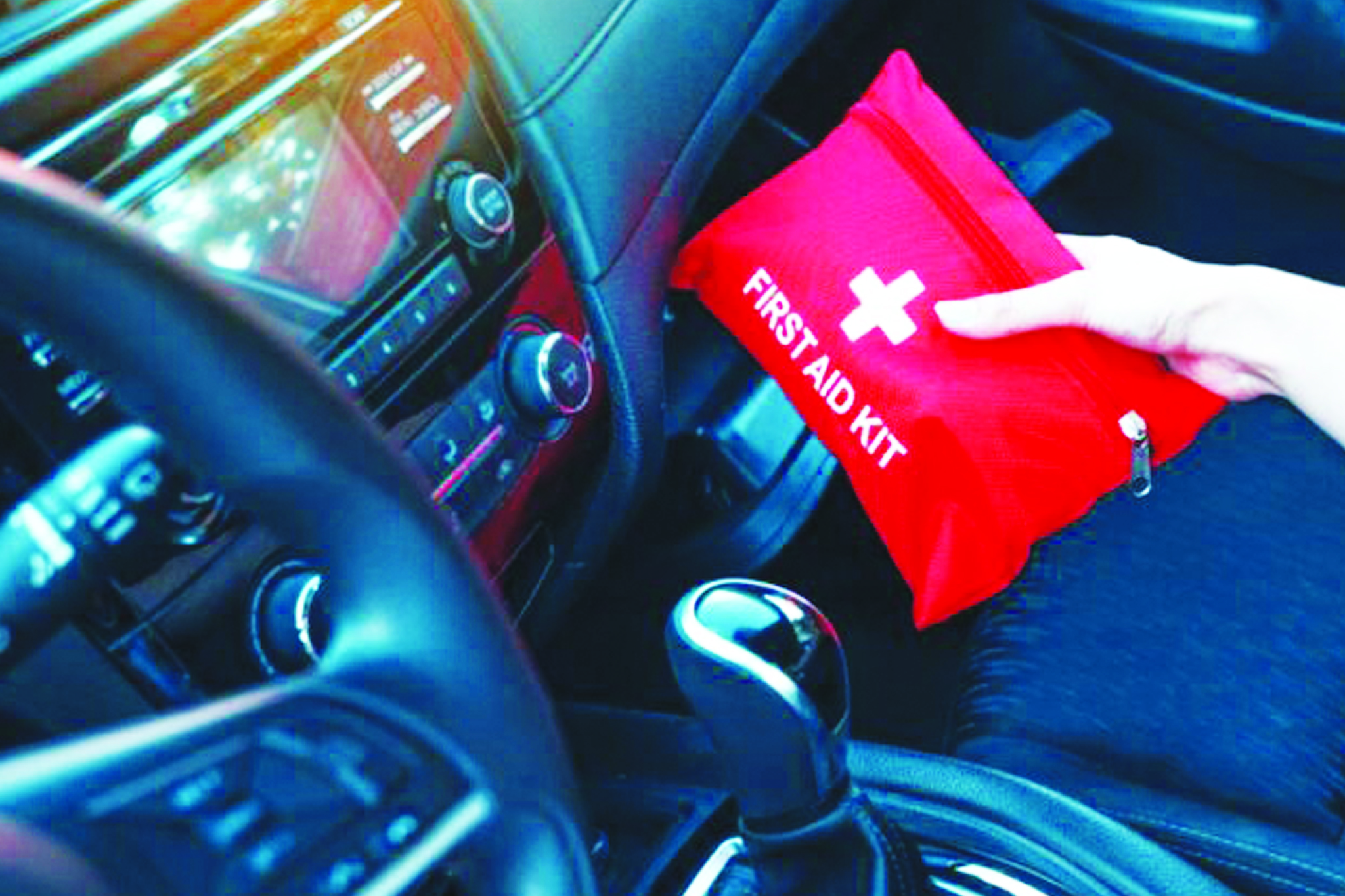
I propose mandatory first aid training as a prerequisite for obtaining or renewing a driving licence in Namibia. Every driver should be able to provide essential first aid until help arrives. This is not a radical idea.
Countries such as Germany, Switzerland, and Austria require first aid training for drivers.
South African advanced driving courses include first aid modules, and in Kenya and Rwanda, traffic police and public transport operators are regularly trained in emergency response.
If these countries can integrate first aid into driving culture, so can we.
Namibia’s long distances, high-speed roads, and wildlife crossings create ideal conditions for severe accidents.
Ambulances may take an hour or more to arrive, leaving fellow drivers or passengers as first responders.
With just a few hours of training, a driver can stop bleeding, perform cardiopulmonary resuscitation, stabilise spinal injuries, and manage shock – actions that directly save lives.
Implementation could include incorporating first aid training into driving licence testing, offering refresher courses every five years, prioritising public transport and long-distance drivers for extended training, and providing subsidies for rural or low-income pupils.
The Ministry of Works and Transport should lead with legislation, supported by the Ministry of Health and Social Services, the Motor Vehicle Accident Fund, and the National Road Safety Council.
We cannot wait until another child, mother, or father dies while help is minutes away.
Every Namibian driver should be empowered to act, not merely watch.
First aid is not optional; it is a responsibility and a requirement.
– Mclyn Kasale
In an age of information overload, Sunrise is The Namibian’s morning briefing, delivered at 6h00 from Monday to Friday. It offers a curated rundown of the most important stories from the past 24 hours – occasionally with a light, witty touch. It’s an essential way to stay informed. Subscribe and join our newsletter community.

The Namibian uses AI tools to assist with improved quality, accuracy and efficiency, while maintaining editorial oversight and journalistic integrity.
Stay informed with The Namibian – your source for credible journalism. Get in-depth reporting and opinions for
only N$85 a month. Invest in journalism, invest in democracy –
Subscribe Now!