



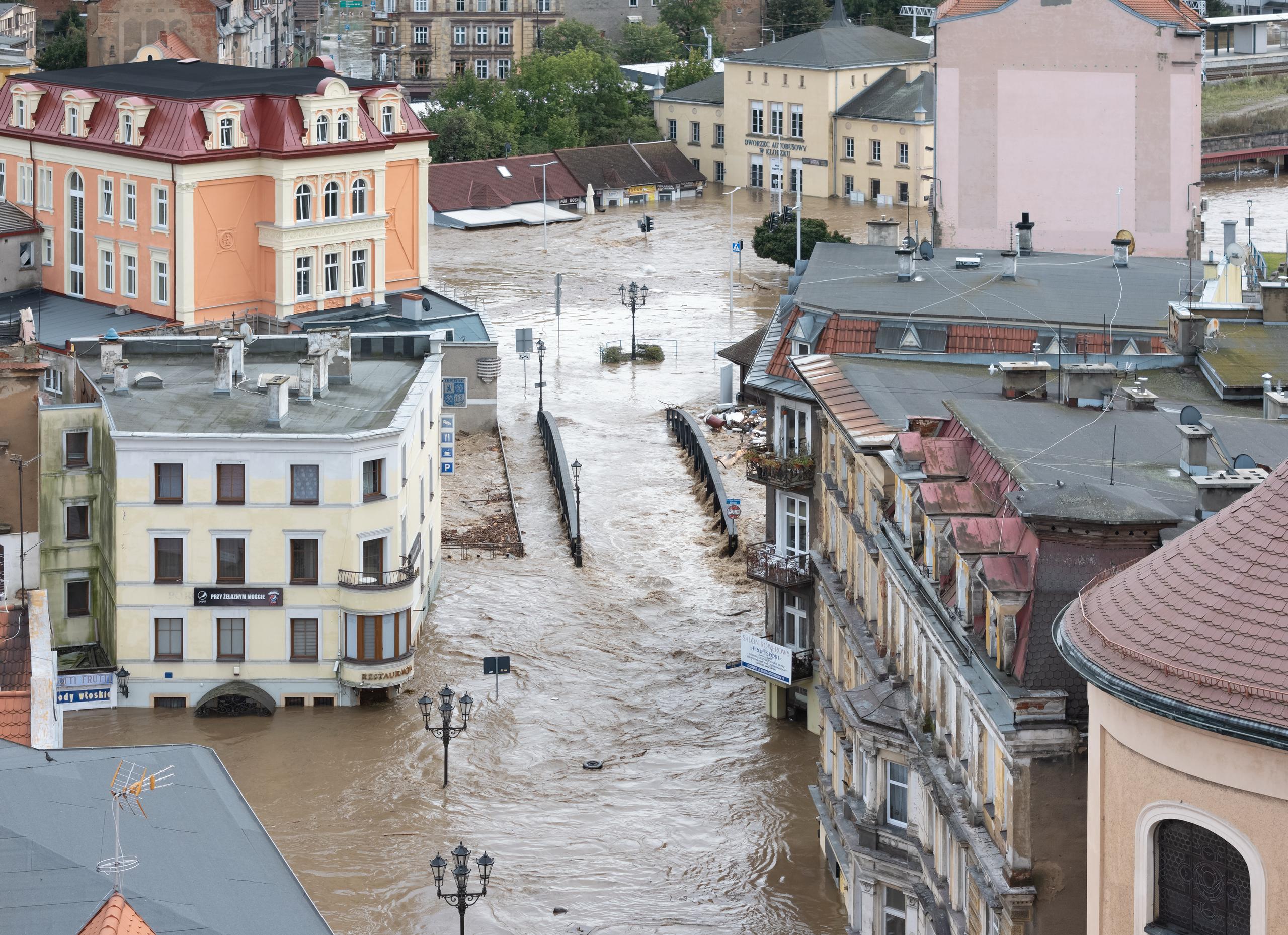
Europe experienced its most extensive flooding in over a decade in 2024, the European Union’s (EU) climate change monitor reported on Tuesday, with almost one-third of its rivers swelling to bursting point.
Swathes of the continent were inundated during the year, with the worst hit being Valencia in Spain, and central and eastern Europe, said the Copernicus Climate Change Service.
These disasters took place during the hottest year around the world, and underscore the threat that flooding poses for Europe, as the world warms because of human-driven climate change.
Storms and floods in 2024 killed more than 300 people, affected 413 000 people across Europe, and inflicted at least 18 billion euros (about N$388 billion) in economic damage.
Some 30% of Europe’s river network flooded in what was one of the continent’s 10 wettest years since 1950, Copernicus said in a new report with the UN’s World Meteorological Organisation (WMO).
“Europe saw the most widespread flooding since 2013,” Samantha Burgess of the European Centre for Medium-Range Weather Forecasts, which runs the Copernicus climate monitor, told journalists ahead of the report being published.
Up to three months worth of rain fell in just five days in September as Storm Boris brought immense flooding and widespread damage to eight countries in central and eastern Europe.
A month later, powerful storms whipped up by warm, moist air from the Mediterranean Sea dumped torrential rain over Spain, with subsequent floods devastating the eastern province of Valencia.
Most parts of western Europe experienced wetter-than-usual conditions in 2024 but eastern parts of the continent were on average drier and warmer.
Burgess said this east-west contrast was not directly linked to climate change, but opposite pressure systems that influenced cloud cover and the transport of moisture over different parts of the continent.
But the storms that wreaked havoc over Europe in 2024 were “likely more severe due to a warmer atmosphere holding more moisture”, she added.
“As our climate warms, we are seeing more – and more extreme – extreme events,” said Burgess.
Since the 1980s, Europe has been warming twice as fast as the global average, making it the fastest-warming continent on Earth.
Climate change is not just about rising temperatures but the knock-on effect of extra heat being trapped in the atmosphere and seas by greenhouse gases like carbon dioxide and methane.
Warmer seas mean higher evaporation and a warmer atmosphere can hold more moisture, feeding energy into storms and causing heavier deluges.
The IPCC, the UN’s expert climate panel, says extreme rainfall and flooding is projected to get worse in Europe in particular as the planet keeps warming.
Only about half of all European cities have national adaptation plans in place to better deal with climate-related disasters, according to the Copernicus and WMO report. That is an improvement from around a quarte
r in 2018.
In an age of information overload, Sunrise is The Namibian’s morning briefing, delivered at 6h00 from Monday to Friday. It offers a curated rundown of the most important stories from the past 24 hours – occasionally with a light, witty touch. It’s an essential way to stay informed. Subscribe and join our newsletter community.

The Namibian uses AI tools to assist with improved quality, accuracy and efficiency, while maintaining editorial oversight and journalistic integrity.
Stay informed with The Namibian – your source for credible journalism. Get in-depth reporting and opinions for
only N$85 a month. Invest in journalism, invest in democracy –
Subscribe Now!