



The European Union (EU), through the Team Europe initiative and development finance institutions, have made available over €200 million (roughly N$4.1 billion) in grants to support Namibia’s broader green industrialisation agenda.
These funds are through extending its PRo-VET project to southern Namibia to support green skills training and boost the country’s renewable energy ambitions.
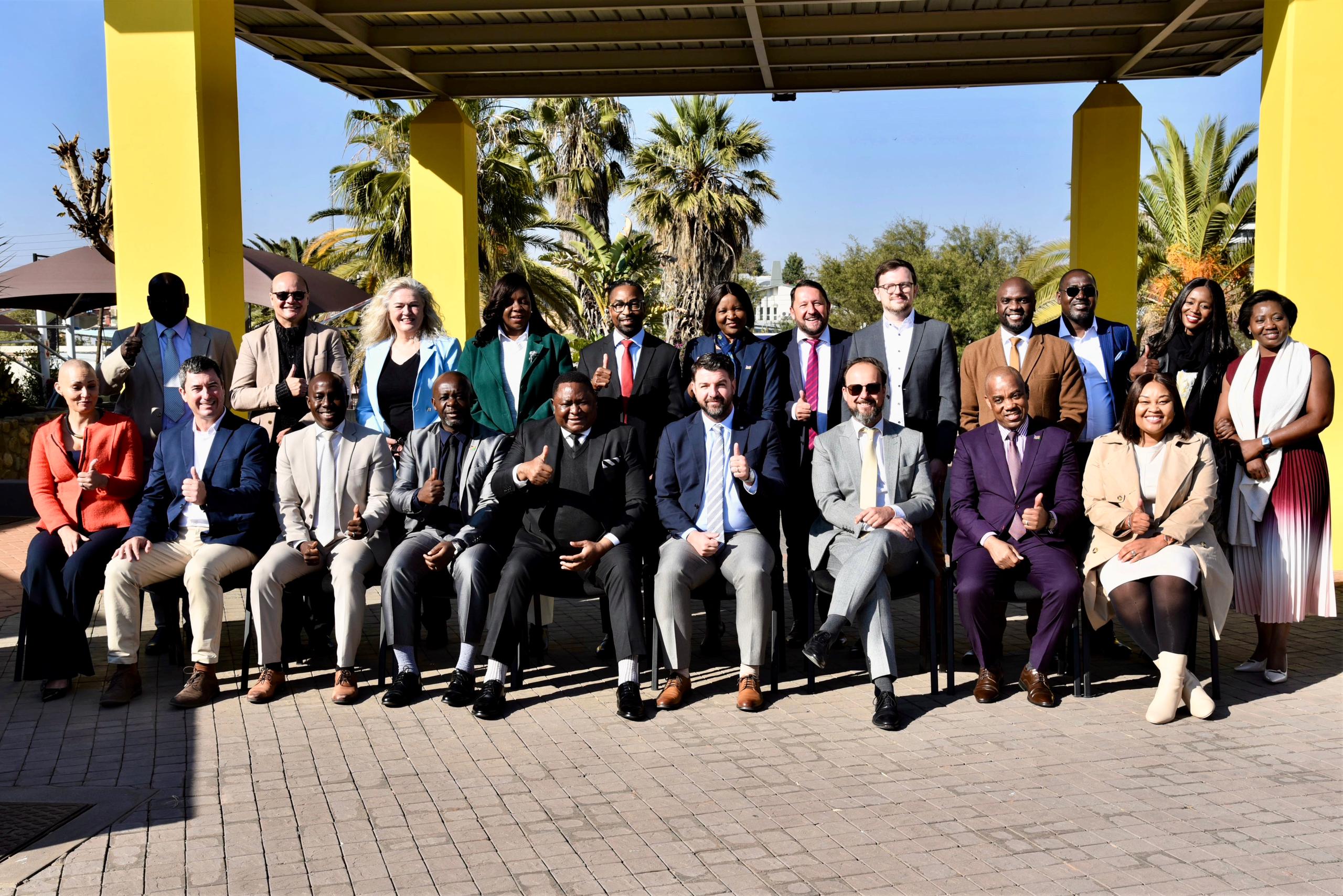
The expansion of the Promoting Vocational Education and Training (PRo-VET) project to the south was launched on Tuesday.
The initiative, in collaboration with the Namibia Training Authority (NTA), aims to boost technical skills and support Namibia’s push for green industrialisation, particularly in the green hydrogen and renewable energy sectors.
Speaking at the launch in Windhoek, Ian Dupont, the EU delegation to Namibia’s representative, said the project builds on earlier successes in northern Namibia and now seeks to expand those benefits to the south at Keetmanshoop through the establishment of an energy training hub.
The northern training hub, which includes the Nakayale, Eenhana, and Valombola vocational training centres, offers young Namibians access to skills development, especially in sectors like agriculture, construction and renewable energy.
“We will strengthen the NTA’s coordination role in skills development across green industrialisation. We want to ensure resources are used effectively, avoid duplication, and align training programmes with the demands of the labour market,” Dupont said.
He said Namibia has positioned itself as a front runner in green hydrogen in less than three years through a strategic partnership between the EU and Namibia on sustainable raw materials and renewable hydrogen launched in November 2022.
“Several large-scale potential investment projects are in the pipeline through this partnership, representing over 20 billion euro in projected investment, such as Hylron, Cleanenergy, Hyphen, Zhero, HDF, Elof Hanssen and Daures,” Dupont said.
He said the recent inauguration of the HyIron Oshivela Project at Arandis is a leading example of green development already delivering results, where 60 local companies were involved in construction, and 400 Namibians were employed.
Phase two is expected to create over 1 000 jobs by 2026, he said.
Namibia’s green hydrogen strategy positions the country as a future global leader in renewable energy, however, success hinges on its human capital.
“To unlock the full economic potential of green industrialisation, we need a skilled Namibian workforce. That’s why today matters.”
The EU and its partners have committed over 200 million euro in grants to Namibia’s green transition, Dupont said.
-Nampa
In an age of information overload, Sunrise is The Namibian’s morning briefing, delivered at 6h00 from Monday to Friday. It offers a curated rundown of the most important stories from the past 24 hours – occasionally with a light, witty touch. It’s an essential way to stay informed. Subscribe and join our newsletter community.

The Namibian uses AI tools to assist with improved quality, accuracy and efficiency, while maintaining editorial oversight and journalistic integrity.
Stay informed with The Namibian – your source for credible journalism. Get in-depth reporting and opinions for
only N$85 a month. Invest in journalism, invest in democracy –
Subscribe Now!