



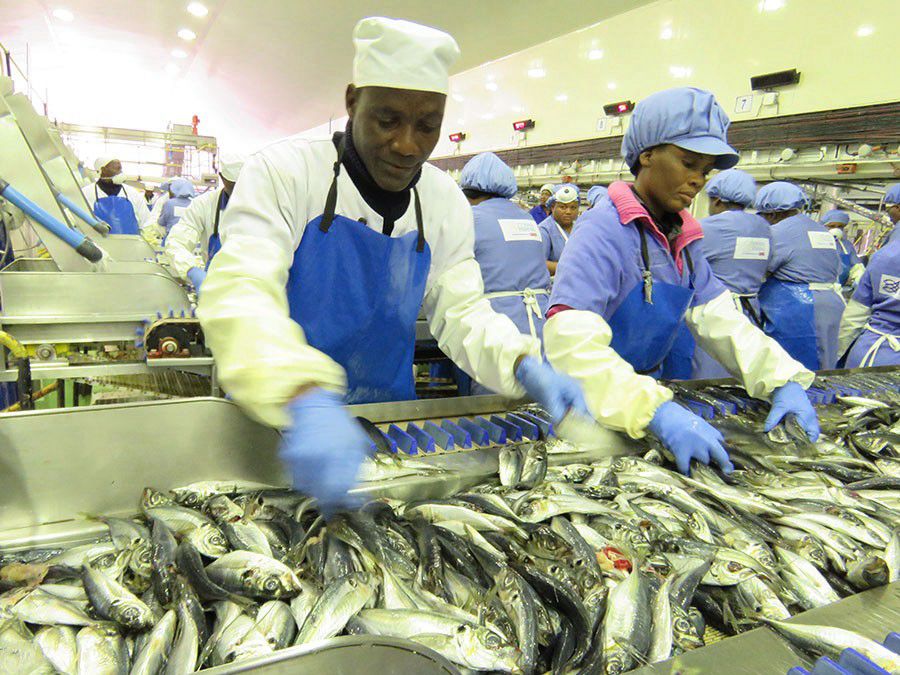
The Etosha Fishing Corporation has landed its first consignment of pilchards since 2017, following Cabinet’s approval of a 10 000-tonne quota earlier this month.
The government first imposed a moratorium on pilchard harvesting in 2018 after scientific surveys showed that the stock had collapsed to dangerously low levels.
Research by the then Ministry of Fisheries and Marine Resources also indicated that the pilchard biomass had shrunk from an estimated 11 million tonnes in the 1960s to less than 100 000 tonnes by the mid-2010s, making it one of the most dramatic declines of a commercial species in the country’s history. The decision to halt fishing was aimed at allowing the resource time to rebuild.
During the moratorium years, Etosha Fishing survived by importing frozen pilchards from Morocco and Mauritania, the company’s managing director, Volker Paulsmeier, says in a statement issued on Thursday.
He says this strategy was the only way to safeguard more than 450 jobs and sustain thousands of dependents in the Erongo region.
“For eight years, our cannery endured immense hardship, surviving only through imports. This quota allocation now gives us the opportunity to revive domestic production, restore jobs and demonstrate the resilience of Namibia’s fishing industry,” he says.
The quota was allocated to EcoFish Farms, which has entered into a supply agreement with Etosha Fishing to process the full 10 000 tonnes at its Walvis Bay factory.
According to Paulsmeier, the partnership ensures that the benefits of the allocation remain in Namibia by stimulating local production, securing jobs and creating value-added products for domestic and export markets.
Minister of agriculture, fisheries, water and land reform Inge Zaamwani-Kamwi recently stressed that the 2025 quota is a cautious first step and will be accompanied by strict monitoring to ensure sustainability.
Etosha Fishing is now working to secure additional purse-seiner vessels to harvest the quota before the close of the season.
“This is not just about canning pilchards, it is about sustaining families, communities and the heritage of Namibia’s small pelagic sector,” Paulsmeier emphasises.
The company has reiterated its commitment to working closely with the government to ensure that the resource is harvested responsibly, in line with Namibia’s sustainable fisheries management principles.
In an age of information overload, Sunrise is The Namibian’s morning briefing, delivered at 6h00 from Monday to Friday. It offers a curated rundown of the most important stories from the past 24 hours – occasionally with a light, witty touch. It’s an essential way to stay informed. Subscribe and join our newsletter community.

The Namibian uses AI tools to assist with improved quality, accuracy and efficiency, while maintaining editorial oversight and journalistic integrity.
Stay informed with The Namibian – your source for credible journalism. Get in-depth reporting and opinions for
only N$85 a month. Invest in journalism, invest in democracy –
Subscribe Now!