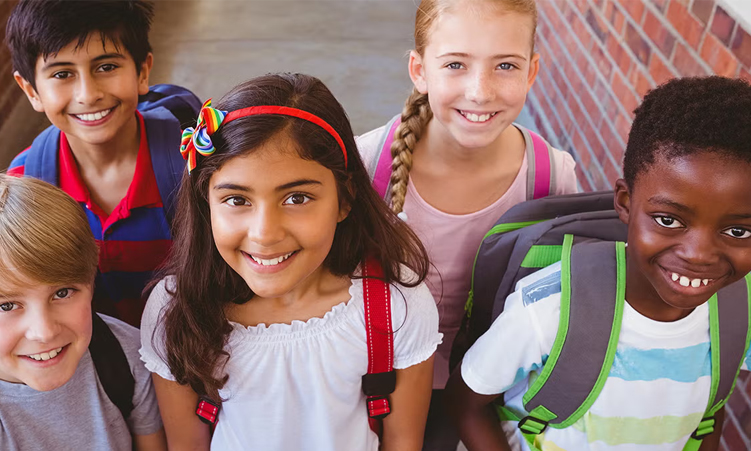
Like many nations, Namibia grapples with the critical issue of child safety and well-being.
Concerning data from the 2019 Violence Against Children and Youth Survey paints a stark picture, revealing that a significant proportion of young people, nearly 40% of girls and 45% of boys, have experienced violence in childhood.
The profound impact of such violence is undeniable, as highlighted by the United Nations’ strong condemnation of the brutal killings of young girls in the country. These acts underscore the urgent need for robust protective measures for all children.
This article delves into the crucial ways in which young people in Namibia can be educated and empowered to recognise the dangers around them, find the courage to speak out against abuse in its various forms and know precisely where to turn for support, both for themselves and their peers.
A fundamental step towards ensuring the safety of Namibia’s youth lies in comprehensive and age-appropriate education about the different manifestations of all forms of abuse and exploitation.
This includes physical, sexual and emotional maltreatment, as well as the growing threat of online exploitation and trafficking in persons. Reports indicate that a worrying number of internet-using children in Namibia have encountered such exploitation, making digital literacy and safety awareness paramount.
Education must equip children with the ability to identify potentially unsafe situations across all contexts of their lives, whether at home, within the school environment (where violence from both peers and sometimes teachers is a concern), in the online realm (where cyberbullying and grooming are significant risks) or within their wider communities.
Furthermore, it is essential to address the normalisation of certain harmful practices, such as bullying within school settings and the use of physical discipline in homes.
Research conducted by Project HOPE, for instance, has revealed that bullying, despite its prevalence, is often not recognised by children as a form of violence.
Challenging these ingrained norms through education is a critical first step in fostering a safer environment for young Namibians.
Overcoming the deeply entrenched culture of silence surrounding abuse is another significant hurdle. Fear, shame and the pervasive stigma associated with reporting can prevent young people from seeking help, a challenge that is often more pronounced for male victims.
Studies suggest that many individuals who experience sexual violence, particularly boys, often suffer in silence.
Building a strong foundation of trust between young people and the adults in their lives, parents, teachers and social workers is, therefore, paramount.
Children must feel secure enough to disclose instances of abuse without fear of disbelief or negative repercussions.
Thus, training teachers to effectively recognise and respond to violence plays a vital role in creating this supportive atmosphere within schools.
Their training programmes aim to equip educators with the skills necessary to prevent and address violence and self-harm among students. Moreover, fostering peer support networks can empower young people to look out for one another and encourage their friends to seek help when they are at risk, drawing inspiration from initiatives that promote youth support in challenging relationships.
KNOWING WHERE TO GO
For young people to seek help effectively, they must have clear knowledge of the support systems available to them in Namibia.
Key resources include LifeLine/ChildLine Namibia’s 116 Child HelpLine, a toll-free service offering counselling and support for children facing a range of difficulties, including all forms of abuse.
Additionally, the gender-based violence protection units within the Namibian Police provide specialised assistance. Social workers employed by the Ministry of Gender Equality and Child Welfare play a crucial role in safeguarding the well-being of children.
Numerous non-governmental organisations, such as the One Economy Foundation through its #BeFree Youth Campus, offers a continuum of support and protection services.
Recognising the increasing prevalence of online threats, the Internet Watch Foundation Namibian Reporting Portal, supported by the United Nations Children’s Fund and LifeLine/ChildLine Namibia, provides a platform for anonymously reporting online child sexual abuse material, ensuring its removal from online platforms.
Ensuring these resources are available and easily accessible and presented in a child-friendly manner is vital to encouraging young people to reach out when they need help.
The community and the school environment serve as critical pillars in safeguarding Namibia’s youth.
Communities must foster a culture where child safety is a priority, abuse is not tolerated and speaking out is actively encouraged.
This requires a collective effort to challenge harmful cultural norms that may inadvertently perpetuate violence or silence victims. Schools, too, have a fundamental role to play as safe havens where children can learn about their rights, recognise the signs of abuse and access necessary support services.
Namibia’s National Safe Schools Framework, developed to strengthen healthy and supportive learning environments, provides a valuable structure for this.
Initiatives like the training of frontline service providers by the #BeFree Youth Campus and Project Hope’s work within schools, which includes the training of nearly 500 teachers on recognising and responding to violence, are crucial steps in this direction.
Furthermore, educators must be adequately trained to identify indicators of abuse and respond with sensitivity and appropriate action.
CONFIDENTIAL REPORTING
Establishing clear and confidential reporting mechanisms within schools is also essential to empower students to come forward when they experience or witness harm.
First responders should be trained on the provisions in the Child Care and Protection Act and other relevant legislation protecting children in Namibia such as mandatory reporting and statutory rape.
In conclusion, empowering young people in Namibia to recognise unsafe situations, speak out against abuse and know where to seek help is crucial for their safety and well-being. Addressing this complex issue requires a concerted and sustained effort from families, educators, communities, the government and non-governmental organisations.
The United Nations in Namibia has affirmed its commitment to supporting national efforts in strengthening child protection systems.
By prioritising comprehensive education, raising awareness and ensuring the provision of accessible and child-friendly prevention and response services, Namibia can strive towards creating a safer future where every young person has a voice and the opportunity to thrive.
– The #BeFree Youth Campus is a safe, non-judgemental space that provides holistic support and empowers the youth through a wide variety of programmes.