



One of Namibia’s endangered female black rhinos was poached over the weekend in a Kunene conservancy, renewing concerns about the protection of wildlife amid growing mining activity in the region.
The female rhino, known as Dorsland, has given birth to up to eight calves since 2015 and was considered one of the region’s prime breeding females. The rhino was with a calf and expecting another at the time.
Kunene police commander Eric Clay has confirmed the rhino was shot and her horn taken near Palmwag Tourism Concession, about 120 kilometres from Kamanjab. Sources in the area have not located Dorsland’s calf and fear she will die of starvation or be taken by hyenas.
Clay could not share more details as he was still waiting for his team to return from the scene.
By June, the Ministry of Environment and Tourism had confirmed that 15 rhinos and one elephant were poached across the country.
The Namibian has seen images of the dead rhino covered with a black plastic and tree branches.
Namibia is home to an estimated 2 100 black rhinos.
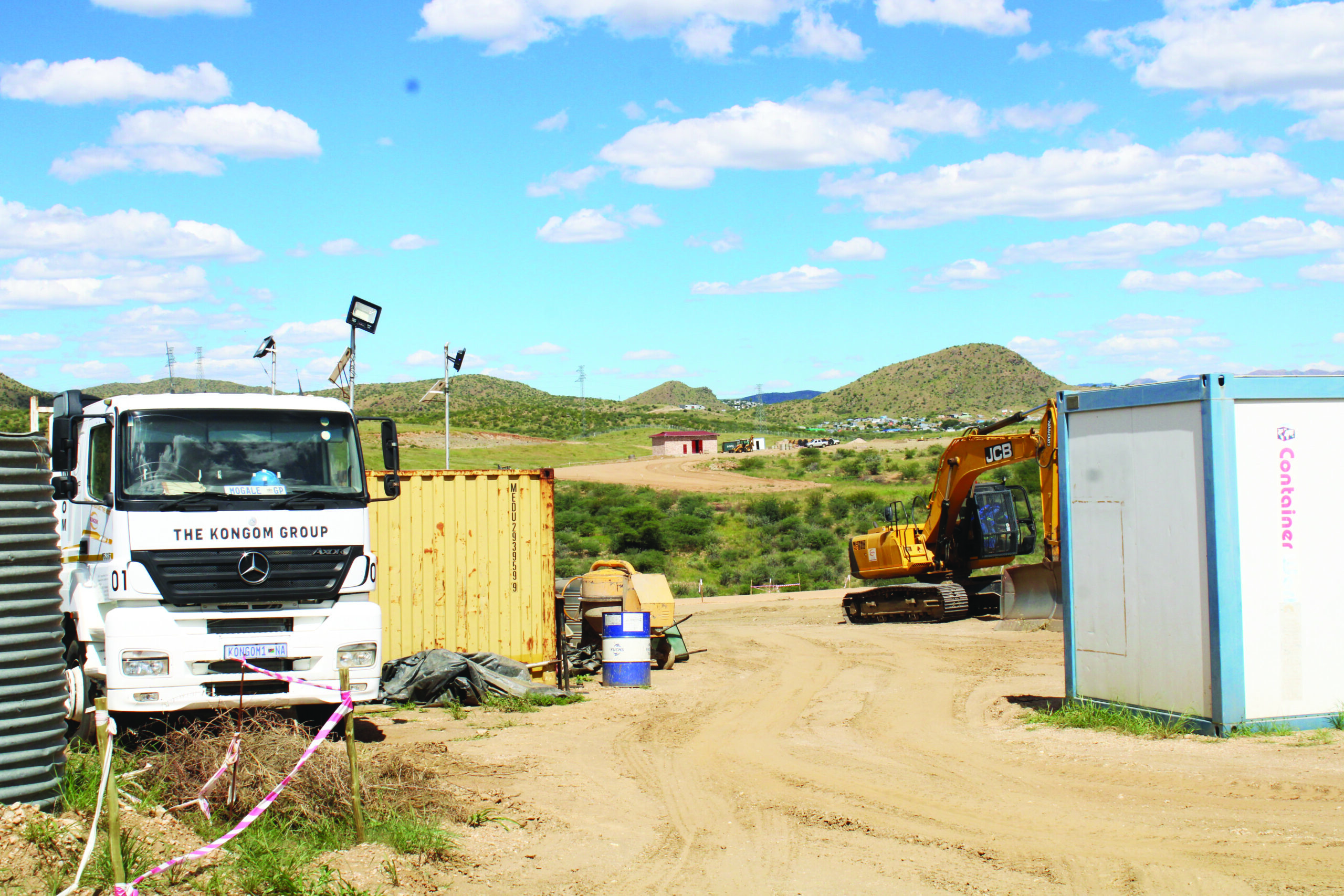
In May the Save the Rhino Trust Namibia, a non-governmental organisation, expressed concern about possible poaching of rhinos in mining areas in the Goantagab area, south-east of Twyfelfontein.
In a letter seen by The Namibian and addressed to Christopher Munwela, the deputy director of parks and wildlife for the Kunene and Erongo regions, Save the Rhino Trust Namibia chief executive Simson Uri-Khob says poaching has been reported in the area since the rhino was introduced in the 2000s.
“Early 2024 we expressed concern with the presence of the miners. We noted with increasing frustration the discovery of snares clearly meant to poach wildlife set close to the mine, along game trails. We noted with further alarm the illegal killing of one of the black rhinos – the first such incident in over 20 years in the very same area,” the letter says.
He says they have traced mining company employees who were possibly following a rhino track in the area.
This was not the first time Uri-Khob expressed similar concerns.
In February this year he alerted Munwela to game poaching linked to the new mining camps.
According Uri-Khob, fines have been issued to the employees of the mining company but no further action was taken.
“While no direct link has been made between the presence of the miners and the poaching incident, the fact that this was the first reported poaching in this patrol zone since rhinos were introduced in the early 2000s tells us that the miners almost certainly played a part in the incident,” he says.
Although the number of black rhinos continues to rise, the species remains under threat.
In a significant win this year, an 18-year sentence was handed to Francis Kipampa, a high-ranking rhino horn trafficker, for money laundering offences relating to rhino poaching in South Africa.
REJECTED
Last week the European Union rejected Namibia’s application to allow strictly controlled trade in rhino horns.
Namibia put three proposals before the Convention on International Trade in Endangered Species of Wild Fauna and Flora planned for 23 November to 5 December in Samarkand, Uzbekistan, for the 20th meeting of the Conference of the Parties.
The meeting would rescind existing international trade bans, allowing the sale of rhino horns and stockpiled elephant ivory.
Many global conservation organisations have warned it would be catastrophic for remaining wild populations, not just in Namibia but elsewhere in Africa as well.
The environment ministry could not be reached for comment by the time of going to print.
In an age of information overload, Sunrise is The Namibian’s morning briefing, delivered at 6h00 from Monday to Friday. It offers a curated rundown of the most important stories from the past 24 hours – occasionally with a light, witty touch. It’s an essential way to stay informed. Subscribe and join our newsletter community.

The Namibian uses AI tools to assist with improved quality, accuracy and efficiency, while maintaining editorial oversight and journalistic integrity.
Stay informed with The Namibian – your source for credible journalism. Get in-depth reporting and opinions for
only N$85 a month. Invest in journalism, invest in democracy –
Subscribe Now!