



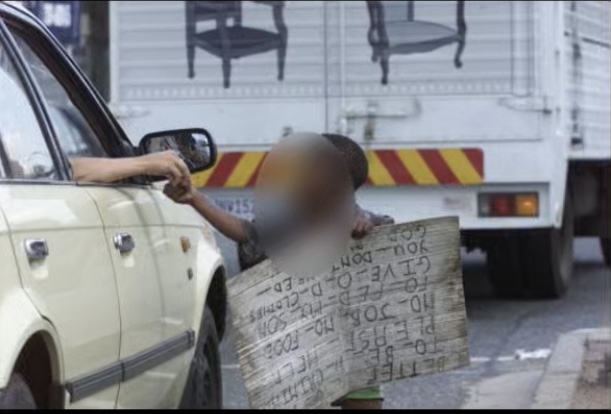
The Ministry of Gender and Child Welfare has warned the public not to give street children money.
This was said in a presentation on the national strategy on children living and working on the streets in Windhoek, which was conducted by ministry official Enjouline Kole this week.
Kole said the ministry has reintegrated 145 children at risk of ending up on the streets into nine schools in the Hardap region in the 2025 academic year.
Ministry spokesperson Lukas Haufiku said this was part of the ministry’s efforts to address the plight of children living and working on the streets.
He said the After-School Centre reintegrated 280 children in different boarding schools outside Windhoek for the 2025 schoolyear.
“Due to the vulnerabilities experienced by these children, the ministry of gender, in collaboration with the ministry of education, provides psychosocial support, transport, school uniforms, school stationery, and toiletries to these children,” Haufiku said.
The City of Windhoek has for years also been advocating for the public to stop giving street children money, since it makes them vulnerable to harm and exploitation, he said.
Haufiku said the workshop aimed to enhance a basic understanding of the different types and dynamics of children living and working on the streets, and to explore opportunities for regional collaboration on programmes targeting these children.
“During the workshop, two successful programmes were shared: the ‘Back to School’ project at Mariental in the Hardap region, and the After-School Centre school reintegration programme in Windhoek,” he said.
Lena Nangombe, a social worker within the ministry who has worked with street children for two years, previously told The Namibian that some of the factors that lead to children leaving their homes are peer pressure, a lack of proper shelter, being orphans (in many cases due to HIV-AIDS), violence at home, alcohol and substance abuse, parents’ unemployment, poverty and child neglect.
“Pull factors include being part of a social group or gang where children experience acceptance or a sense of belonging, earning money and food, and a sense of independence,” she said.
“Experience has taught us children cannot be forced to attend rehabilitation programmes as it would disrupt activities and disturb those who would like to benefit from such a programme.”
CYCLE OF DEPENDENCY
The Namibian previously reported that the City of Windhoek was concerned about an increase in the number of children begging on the streets of Windhoek, placing them at risk of harm and exploitation.
According to the city, child begging is a complex problem that cannot be solved by giving them money. This could make the problem worse by creating a cycle of dependency and exploitation.
City of Windhoek spokesperson Harold Akwenye urges the public to refrain from giving street children money directly.
Instead, he encourages citizens to channel resources towards institutional support systems, like soup kitchens and educational programmes.
“Building strong social support structures and creating pathways for these children to reintegrate into society is crucial for sustainable change,” Akwenye says.
“This should involve comprehensive rehabilitation programmes focused on education, skill development, and emotional support,” he says.
In an age of information overload, Sunrise is The Namibian’s morning briefing, delivered at 6h00 from Monday to Friday. It offers a curated rundown of the most important stories from the past 24 hours – occasionally with a light, witty touch. It’s an essential way to stay informed. Subscribe and join our newsletter community.

The Namibian uses AI tools to assist with improved quality, accuracy and efficiency, while maintaining editorial oversight and journalistic integrity.
Stay informed with The Namibian – your source for credible journalism. Get in-depth reporting and opinions for
only N$85 a month. Invest in journalism, invest in democracy –
Subscribe Now!