



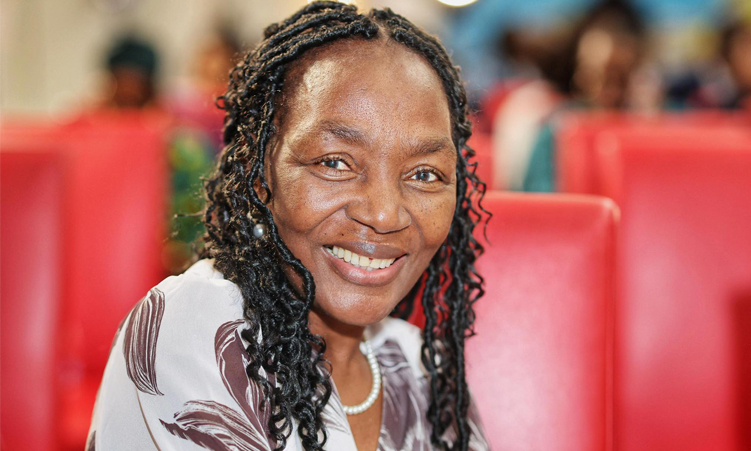
Namibia has settled its N$13 billion Eurobond, with minister of finance Ericah Shafudah saying the cleared debt allows the government to focus on boosting domestic revenue.
She made this announcement during a briefing on the redemption of the Eurobond in Windhoek yesterday.
“As we move forward, our focus remains on consolidating fiscal gains, enhancing domestic revenue mobilisation, and investing in sectors that drive inclusive growth.
“Let this moment serve as a reminder: Namibia keeps its promises. We borrow wisely, we invest strategically, and we repay responsibly,” she said.
The paid debt represents the largest single debt maturity in the country’s history, Shafudah said.
She said Namibia issued its first Eurobond in 2011 for US$500 million (approximately N$7.5 billion) at an interest rate of 5.5%.
The funds were allocated to support initiatives, including the National Housing Enterprise and other development goals, and the bond was successfully redeemed in November 2021, the minister said.
In 2015, Namibia entered the international capital markets for the second time with the issuance of a US$750-million Eurobond at a coupon of 5.25%, which was redeemed yesterday.
“The second Eurobond enabled us to bridge critical financing gaps, support our national budget, enhance reserve level and stimulate economic growth during a period of global financial uncertainty,” Shafudah said.
She said the proceeds from the Eurobond were channelled to transformative projects, such as expanding road networks, energy, education and healthcare.
The government has mobilised US$444 million to meet obligations and to bridge the remaining gap of US$306 million, after issuing a requests for proposals to local commercial banks, the minister said.
The institutions awarded participation were Standard Bank at N$3 billion, FNB Namibia at N$1.5 billion, and Bank Windhoek (in partnership with Absa) at N$1.5 billion.
“This strategy allowed us to avoid re-entering the Eurobond market under unfavourable global conditions. It preserved our foreign reserves, reduced exchange rate exposure, and reinforced investor confidence in Namibia’s creditworthiness,” she said.
Shafudah said while foreign reserves are projected to decline from N$63 billion as at the end of 2024 to N$47 billion by the end of this year, a moderate recovery is anticipated in 2026, supported by sound fiscal planning and continued economic resilience.
Rally for Democracy and Progress president Mike Kavekotora welcomes the redemption.
It has reduced the country’s international exposure and will have a positive impact on its financial position and credit rating, he says.
“The million-dollar question is, however, how the debt was paid off. Did we pay the debt by acquiring another debt, or was it paid off from our equity?
“If it was paid through the acquisition of another debt, then the accrued benefit is short term with associated risks and exposures,” Kavekotora says.
In an age of information overload, Sunrise is The Namibian’s morning briefing, delivered at 6h00 from Monday to Friday. It offers a curated rundown of the most important stories from the past 24 hours – occasionally with a light, witty touch. It’s an essential way to stay informed. Subscribe and join our newsletter community.

The Namibian uses AI tools to assist with improved quality, accuracy and efficiency, while maintaining editorial oversight and journalistic integrity.
Stay informed with The Namibian – your source for credible journalism. Get in-depth reporting and opinions for
only N$85 a month. Invest in journalism, invest in democracy –
Subscribe Now!